Description
Icelandic rock music is a broad national tradition rather than a single uniform sound. It encompasses rock and roll, progressive rock, funk, punk, alternative rock, hard rock and post-rock, as well as combinations of rock and rap.
Its history includes both an English-language period and music sung in Icelandic. The range of styles means that an Icelandic rock track may favor direct rock energy, a funk-inflected groove, alternative textures or a more expansive post-rock approach.
Based on: Wikipedia
More on: Every Noise at Once, Wikidata

7 Icelandic Bands You NEED To Hear!
RockinBeats
History
Early rock
Rock reached Iceland in the mid-1950s and grew in popularity over the following years. Access to records and broadcasts helped listeners discover it despite limited rock programming on Iceland’s state-run radio. Crews of fishing boats and commercial aircraft brought records home from abroad, while a US Navy radio station at Keflavík was popular with young listeners around Reykjavík.
Beat groups and new directions
The British Invasion reached Iceland in 1964. Hljómar and Dátar emerged as local counterparts to the Beatles. Around 1969, an English-language period began, with Trúbrot and Náttúra among the popular bands. Progressive rock and funk dominated the Reykjavík rock scene from 1973 to 1979; Eik was one of the groups associated with that period. In the mid-to-late 1970s, Gunnar Þórðarson and Magnús Eiríksson helped develop a more distinctive national rock style.
Punk and later styles
A Reykjavík punk wave arose around 1981 and temporarily displaced more traditional rock. Later examples of the scene’s variety include the alternative rock band The Sugarcubes, the rock-and-rap group Quarashi and the post-rock band Sigur Rós.
Choose a direction
Start by deciding which part of the broad Icelandic rock tradition you want to explore: a direct rock song, a progressive or funk-influenced arrangement, punk, alternative rock, post-rock, or a mixture of rock and rap. The tradition does not require one fixed combination of these approaches.
Build the track
For a rock-based starting point, you could develop a strong riff and arrange drums, bass and guitars around it. For a funk-influenced approach, give the bass and drums an interlocking groove and leave space between rhythmic accents. For punk, try a compact arrangement with forceful playing and a direct vocal delivery.
Shape the arrangement and voice
A common post-rock approach is to develop instrumental textures gradually, using changes in density and dynamics rather than relying on a conventional vocal hook. If combining rock and rap, you could build a rhythmic foundation that leaves room for a spoken or rapped vocal. Icelandic and English have both been used in the tradition, so choose the language and vocal style that suit the song.



Best playlists

Icelandic Rock & Roll Music
Guide to Iceland
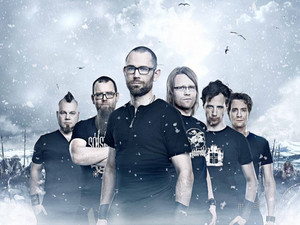
Icelandic Rock
hauslauskona

Icelandic post-rock when falling asleep
Worldhaspostrock
Influenced by