

Your digging level

For this genre
0/8
🏆
Sign in, then listen to this genre to level up

Description

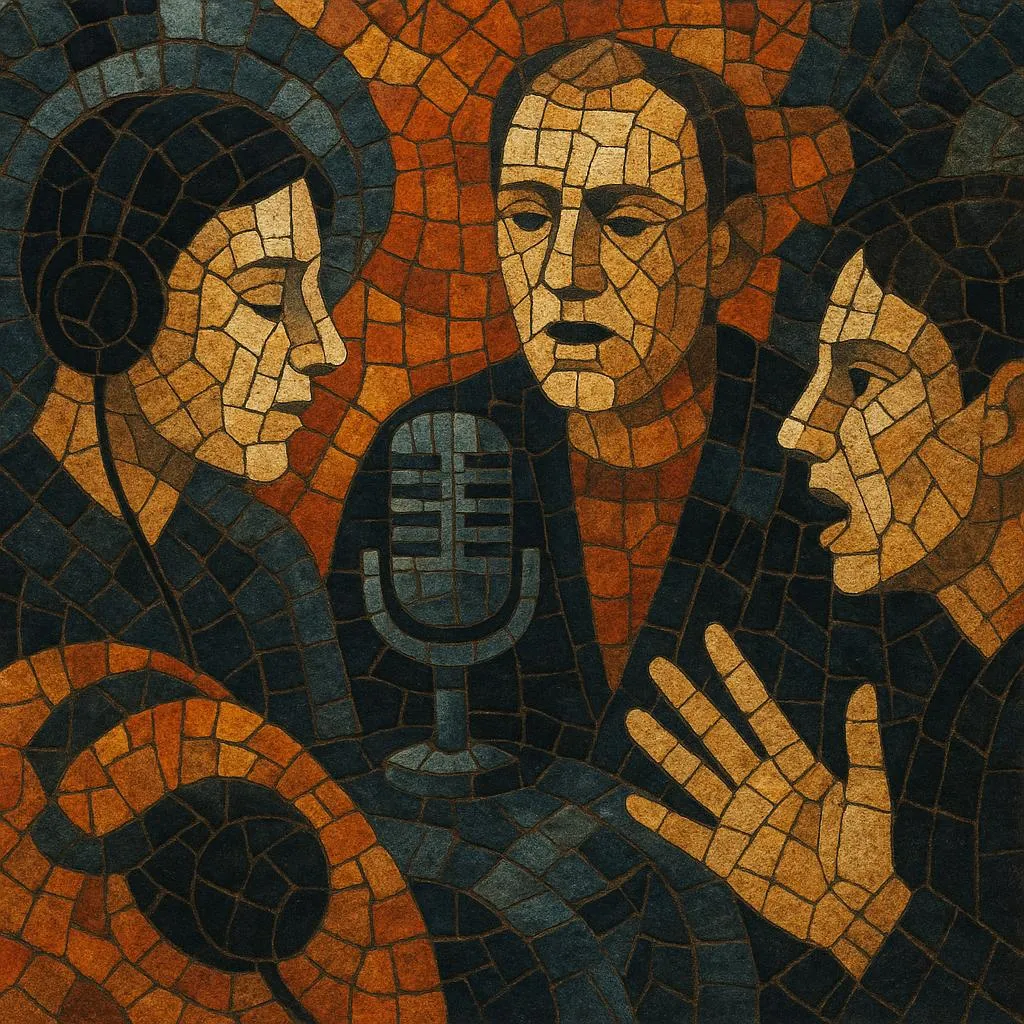
Hörspiel is the German-language tradition of scripted audio drama—narrative stories told entirely through voices, sound design, and music without visuals.

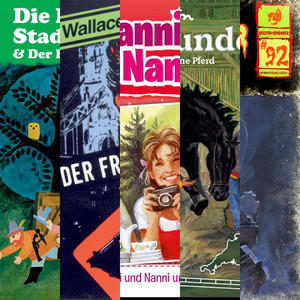
Unlike a simple audiobook, a Hörspiel typically features a full cast of actors, a narrator, meticulously produced soundscapes, and an original score, often recorded and mixed with cinematic attention to space, perspective, and atmosphere. Popular formats range from detective and horror serials to literary adaptations and avant‑garde “Klangkunst” (sound art) experiments.

First developed for radio broadcast, Hörspiel later flourished on vinyl, cassette, CD, and today on digital platforms, retaining its hallmark of rich dramaturgy and immersive sound. It remains a cornerstone of German-speaking audio culture, with dedicated public broadcasters, independent studios, and labels sustaining both mainstream and experimental strands.


Sources: Spotify, Wikipedia, Discogs, Rate Your Music, MusicBrainz, and other online sources

History

Origins (1920s–1930s)
•   Hörspiel emerged alongside the spread of radio. A landmark early broadcast was Hans Flesch's "Zauberei auf dem Sender" (1924, Frankfurt), often cited as the first German radio play. •   Early productions adapted stage plays and novels, but quickly developed their own radiophonic language—voice close‑miking, foley, and studio effects designed specifically for the ear.
Consolidation and Classicism (1940s–1960s)
•   Post‑war public broadcasters (NWDR/WDR, BR, SDR, ORF, SRF, etc.) institutionalized Hörspiel with studios, directors, and commissioning systems. •   Authors such as Günter Eich (e.g., "Träume") and Friedrich Dürrenmatt shaped a literary Hörspiel tradition, while directors refined montage, perspective, and narrative pacing unique to radio. •   The 1952 establishment of the Hörspielpreis der Kriegsblinden signaled artistic recognition and helped canonize the form.
Experiment and Klangkunst (1960s–1980s)
•   Interdisciplinary currents (electroacoustic music, musique concrète, sound poetry) fed into a wave of experimental Hörspiele at broadcasters (notably WDR), blurring lines between drama and sound art. •   Tape editing, stereo, and binaural (“Kunstkopf”) techniques enabled advanced spatial dramaturgy; radiophonic collage and documentary‑fiction hybrids (Feature/Hörspiel) expanded the palette.
Popular Serial Boom (1970s–1990s)
•   Parallel to high‑art strands, a commercial youth market on vinyl/cassette exploded. Labels and directors (e.g., Heikedine Körting at EUROPA) created enduring serials for children and teens, embedding Hörspiel in everyday German pop culture.
Digital Era and Podcast Renaissance (2000s–today)
•   Digitization, streaming, and podcasting brought new audiences and production models. Public stations continue commissioning literary and experimental works, while independent teams produce genre series with cinematic sound. •   The term Hörspiel now spans classic radio drama, narrative podcasts with cast and foley, and gallery‑oriented Klangkunst, reflecting a century of radiophonic storytelling.

How to make a track in this genre

Concept and Script
•   Define a clear dramatic premise and write a radiophonic script: concise scenes, audible actions, and dialogue that conveys setting and plot without visuals. •   Use a narrator sparingly to bridge time and space; rely on diegetic cues (doors, footsteps, ambience) to establish location and mood.
Casting and Performance
•   Cast distinct voices for clarity. Coach actors for microphone technique (proximity, sibilance control) and radiophonic pacing (beats, overlaps, silences). •   Record dialogue "on location" in controlled acoustic spaces (different rooms, distances) or emulate perspective through mic placement and reverb.
Sound Design and Music
•   Build a layered sound world: bespoke foley, ambience beds (room tone, weather, crowd), and leitmotivic music to support character and theme. •   Employ stereo imaging or binaural (Kunstkopf) for immersion—pan movements, foreground/background shifts, and dynamic range shaped for headphone or broadcast norms. •   Integrate electroacoustic techniques where appropriate (montage, granular textures, tape‑style edits) for experimental pieces.
Editing and Mix
•   Cut rhythmically: let breaths and pauses carry tension; crossfade scenes with sonic motifs rather than hard cuts. •   Balance intelligibility (dialogue front and center) with atmosphere; apply EQ, de‑essing, and sidechain ducking to keep speech clear over music/effects. •   Master to the intended platform (broadcast loudness vs. streaming/podcast targets) and audition on speakers and headphones.
Production Workflow
•   Table read → blocking for sound → staggered dialogue/foley recording → spot effects and music spotting → rough assembly → fine mix → QC with closed‑eye listening. •   Document cue sheets and stems for broadcaster delivery; provide episode summaries and cast lists for discovery.

Top tracks

Locked
Share your favorite track to unlock other users’ top tracks
Influenced by
Has influenced
Challenges
Digger Battle
Let's see who can find the best track in this genre

Download our mobile app

Get the Melodigging app and start digging for new genres on the go
© 2026 Melodigging
Melodding was created as a tribute to Every Noise at Once, which inspired us to help curious minds keep digging into music's ever-evolving genres.
Buy me a coffee for Melodigging
