Your digging level

For this genre
0/8
🏆
Sign in, then listen to this genre to level up

Description

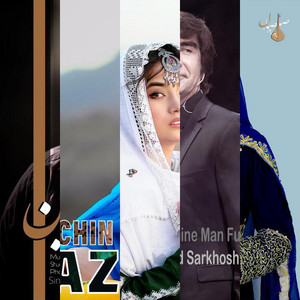
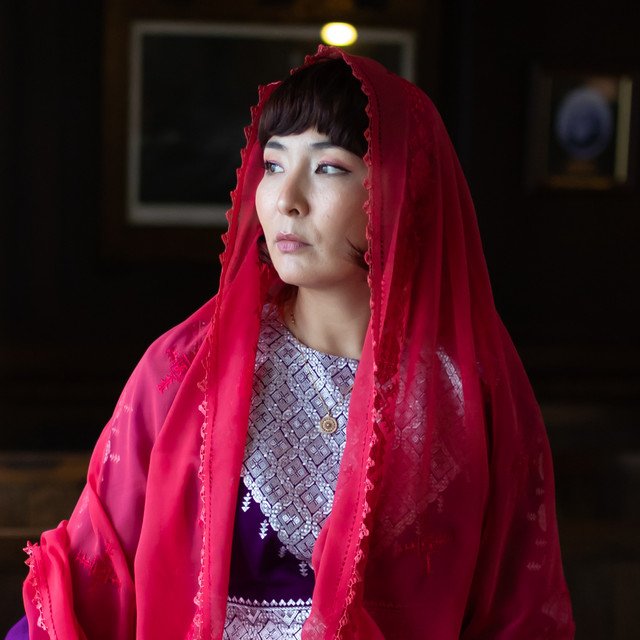
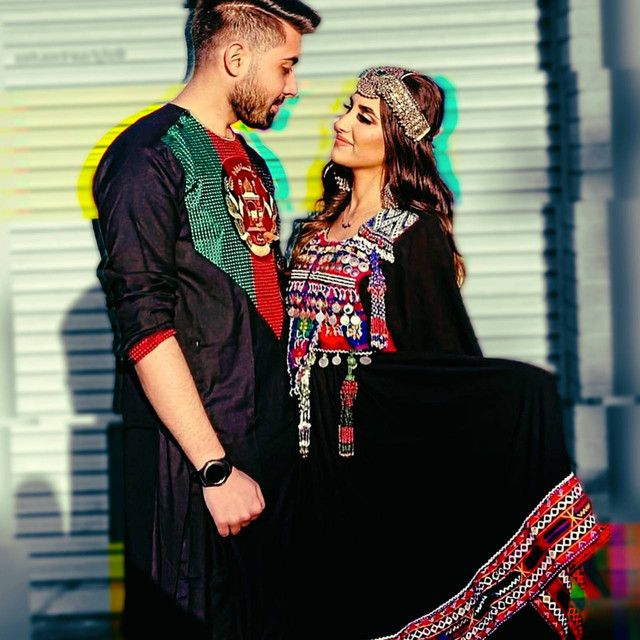
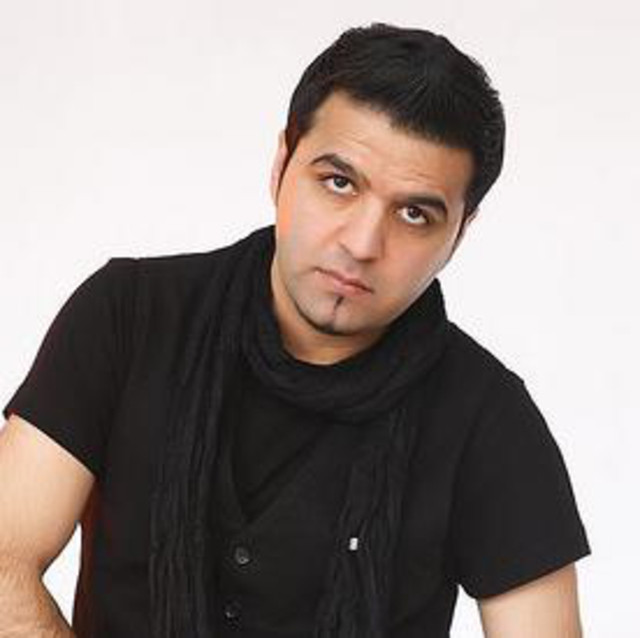
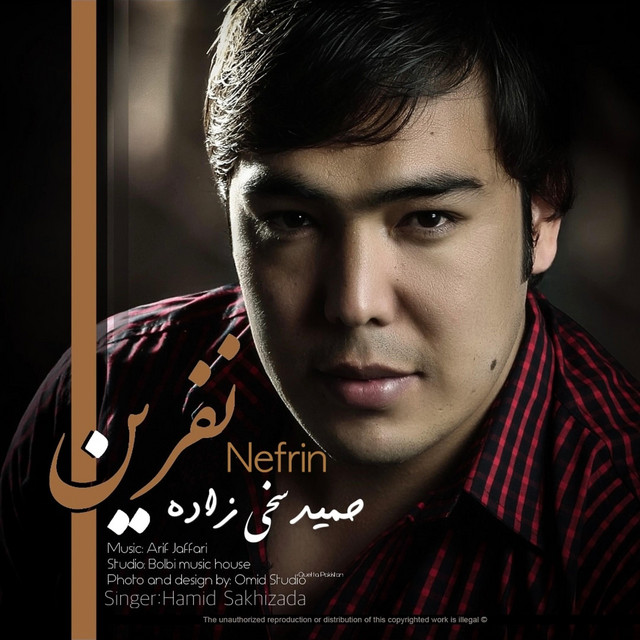
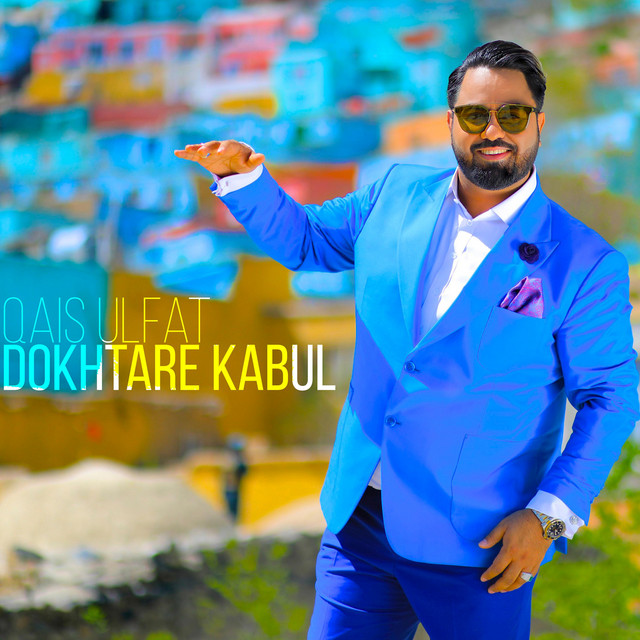
Hazaragi pop is contemporary popular music performed in the Hazaragi dialect of Dari by the Hazara people of central Afghanistan and its diaspora (notably Pakistan, Iran, and Australia). It blends Afghan urban pop structures with regional folk melodies, rhythmic dance grooves, and Persianate modal coloring.

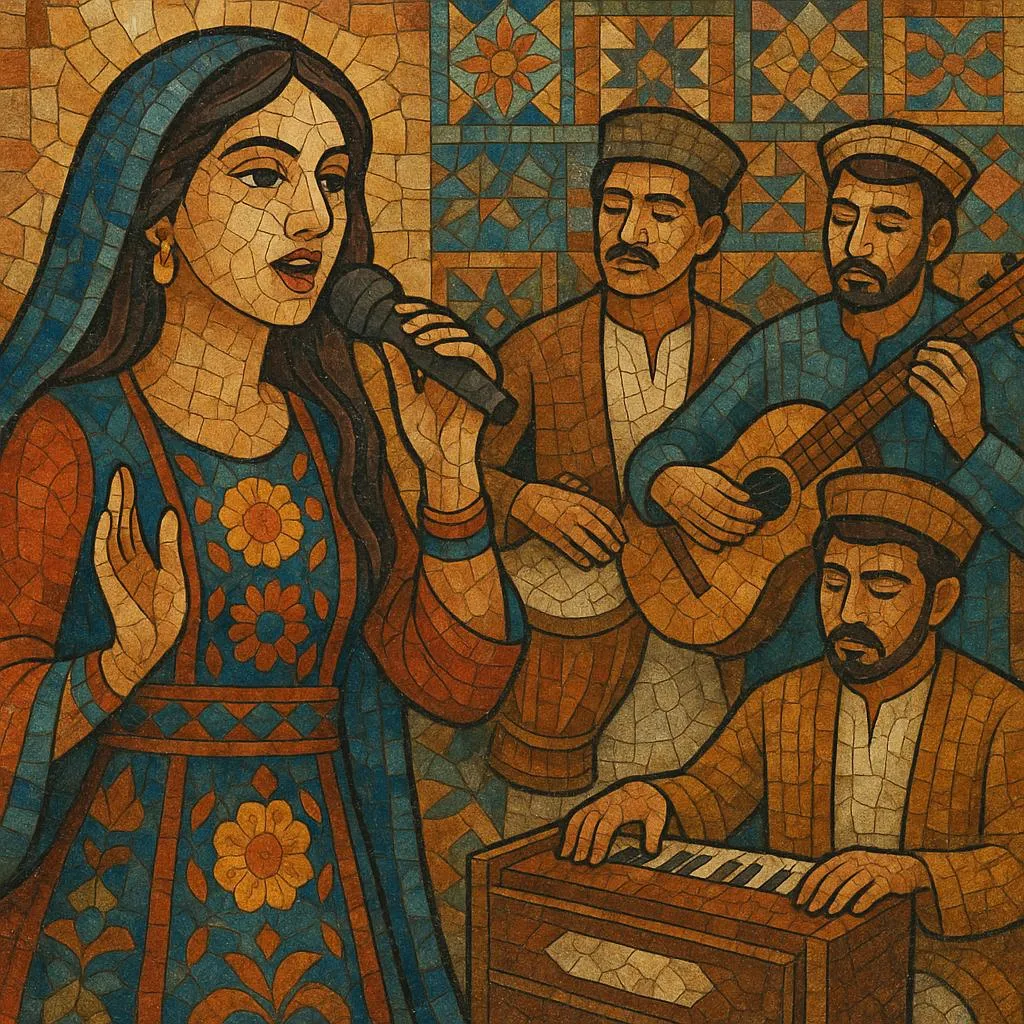
Typical arrangements combine electronic drum machines, keyboards, and guitar with local acoustic timbres such as dambura, rubab, and harmonium. Vocals are often melismatic and emotive, carrying lyrics about love, migration, homeland, social belonging, and the resilience of Hazara identity.

The style grew alongside satellite TV, cassette/CD circulation, wedding circuits, and later YouTube and social platforms, which helped a dispersed community shape a shared pop sound while maintaining Hazaragi poetic forms and accent.


Sources: Spotify, Wikipedia, Discogs, RYM, MB, user feedback and other online sources

History

Roots and early formation (1970s–1990s)

Hazaragi popular song drew on Afghan urban pop and Persianate classical-leaning song forms that spread via Kabul radio, cassettes, and wedding stages. While Hazara musicians had long performed folk repertories with dambura and local dance rhythms, a distinct Hazaragi “pop” identity cohered later, as amplification and studio production met Hazaragi-language lyrics and melodic turns.

Diaspora studios and media (1990s–2000s)

Large-scale displacement during the late 20th century led to vibrant Hazara music hubs in Quetta (Pakistan), Tehran (Iran), and later Australia. Affordable keyboards, drum machines, and small studios enabled singers to merge folk modes and dance meters with pop song form. Satellite TV and VCD/DVD circulation carried Hazaragi hits back and forth across borders, solidifying a shared repertoire and sound.

Digital era and stylistic breadth (2010s–present)

With YouTube and social media, Hazaragi pop diversified—club-tempo tracks, acoustic ballads, and hybrid productions mixing dambura or rubab with electronic textures. Thematically, songs continue to balance romance with migration narratives and community pride, while performance circuits (weddings, cultural festivals, and diaspora concerts) remain crucial to sustaining the scene.

A resilient cultural platform

Despite political disruptions and periodic censorship in the broader region, Hazaragi pop has persisted as a cultural platform that centers Hazaragi language and aesthetics, updates Afghan/Persian modal practice within pop structures, and provides visibility for Hazara voices on global stages.

How to make a track in this genre

Scales, modes, and melody
•   Favor Persianate modal colors (e.g., branches related to Dastgah Shur/Afshari or Mahur‑like major flavors) and Afghan urban pop pentachordal hooks. •   Write singable, melismatic vocal lines with ornaments at phrase endings; allow call‑and‑response ad libs in live settings.
Rhythm and groove
•   Alternate between 4/4 pop backbeats (100–120 BPM) and regional dance feels (6/8 sway or 2/4 wedding steps). •   Use tabla/dholak-style patterns or programmed kits that imitate them; layer handclaps for chorus lift.
Harmony and form
•   Keep harmony concise (I–vi–IV–V or i–VI–III–VII pop cycles), while melodic contour carries modal character. •   Use verse–pre–chorus–chorus with a short instrumental break (dambura/rubab lick or synth lead). A brief dohra (refrain) after the bridge works well for crowd participation.
Instrumentation and sound design
•   Combine modern pop tools (synth pads, arpeggiators, bass guitar/808s, drum machines) with regional timbres (dambura, rubab, harmonium, occasional ghijak). •   Record a bright lead vocal upfront with light plate or chamber reverb; layer doubles and harmonies on the chorus.
Lyrics and themes
•   Write in Hazaragi (Dari) with imagery of love, homesickness, migration, and communal resilience; keep hooks short and memorable for wedding/festival sing‑alongs. •   Balance poetic couplets with conversational lines; refrain should be easy to chant.
Performance practice
•   For live shows, prepare a dance‑tempo medley segment; let traditional instruments trade short riffs with synth or guitar. •   Encourage audience clapping patterns and call‑backs; this is central to the wedding circuit vibe.

Top tracks

Locked
Share your favorite track to unlock other users’ top tracks

Upcoming concerts

in this genre
Influenced by
Has influenced
No genres found

Download our mobile app

Get the Melodigging app and start digging for new genres on the go
© 2026 Melodigging
Melodding was created as a tribute to Every Noise at Once, which inspired us to help curious minds keep digging into music's ever-evolving genres.
Buy me a coffee for Melodigging