Your digging level

For this genre
0/8
🏆
Sign in, then listen to this genre to level up

Description

Hard chime is a guitar-forward, hook-driven branch of power pop and alternative rock marked by bright, ringing ("chiming") guitars played with a harder, more percussive attack.

Its sound combines the crystalline jangle of 1960s twelve-strings and single‑coil electrics with punchy drums, a driving bass, and layered vocal harmonies. Songs are concise and melodic—usually verse–chorus with big, sing‑along refrains—yet delivered with enough crunch and momentum to sit comfortably next to alternative and college‑rock playlists. Lyrically it leans toward bittersweet romance, everyday vignettes, and reflective nostalgia, wrapped in immediately memorable guitar hooks.


Sources: Spotify, Wikipedia, Discogs, RYM, MB, user feedback and other online sources

History

Origins (late 1980s–1990s)

Hard chime emerges from the overlap of U.S. college rock and the power‑pop revival. Bands inspired by the chiming Rickenbacker sparkle of The Byrds and Big Star fused that brightness with the muscular rhythm sections and louder amps of post‑punk and alternative rock. Indie labels, college radio, and regional scenes (particularly in the U.S. and Canada) incubated groups that prized concise songwriting and ringing guitars, but performed them with more drive and distortion than classic jangle.

Consolidation (2000s)

As alternative and indie rock broadened, hard chime cohered as a recognizably punchy, melodic guitar style: brisk tempos, open‑voiced chord voicings (sus2/sus4), tambourine-accented choruses, and stacked harmonies. Affordable home recording and project studios helped bands emphasize crisp, upfront guitars and radio‑ready vocal hooks while keeping a live‑band feel.

2010s–present

Streaming taxonomy and playlist culture highlighted micro‑tags for guitar pop, and hard chime found a home among listeners seeking power‑pop immediacy with alternative‑rock heft. New artists continue the lineage with tight arrangements, chiming arpeggios over crunchy rhythm guitars, and choruses designed to lift—in effect, a modernized, harder‑hitting jangle.

How to make a track in this genre

Core instrumentation
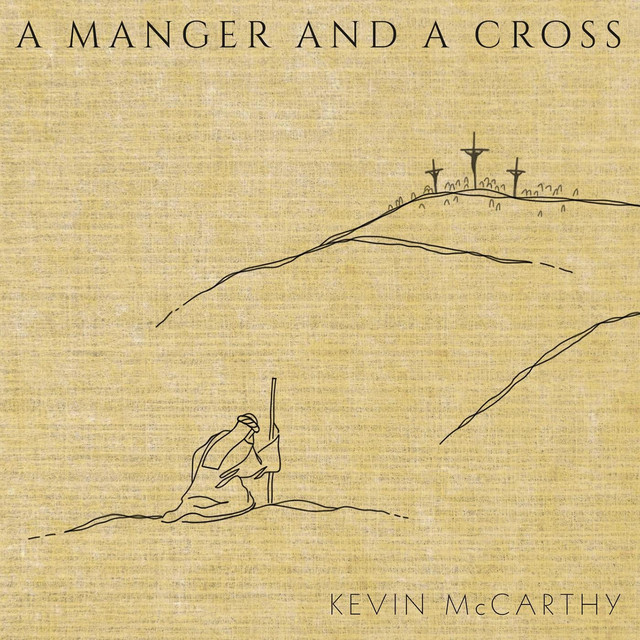
•   Two electrics (e.g., Telecaster/Rickenbacker + a slightly thicker humbucker guitar), bass, drums, and occasional tambourine. A 12‑string electric or chorus pedal helps achieve the characteristic chime.
Harmony and melody
•   Use bright, open chords and suspensions (add2/sus2/sus4), first‑position ring, and pedal‑tone voicings that let high strings sustain. •   Melodic bass lines (McCartney/Big Star‑influenced) that move counter to the guitars. •   Vocal approach: double‑tracked leads and stacked 3‑part harmonies for choruses; pre‑chorus lift via relative‑major or secondary‑dominant movement.
Rhythm and form
•   Tempos typically 120–160 BPM; tight, backbeat‑centered drums with crisp hi‑hats and occasional handclaps or tambourine on the chorus. •   Aim for verse–pre‑chorus–chorus structures with a concise middle‑eight/bridge. Keep songs around 3–4 minutes to maximize hook impact.
Guitar texture and leads
•   Rhythm: lightly overdriven, compressed chime—think clean edge‑of‑breakup rather than heavy saturation. Layer a strummed part with a complementary arpeggio. •   Leads: short, melodic motifs that echo or foreshadow the vocal hook; use parallel thirds, unison bends, and tasteful jangle‑friendly effects (subtle chorus, slapback).
Lyrics and production
•   Themes: bittersweet relationships, everyday snapshots, wistful memory; keep language direct and image‑driven. •   Production: focus on clarity—tight low end, present mids for guitars, and bright but not piercing top end. Pan guitars for stereo lift; add tambourine or shaker to energize choruses.

Top tracks

Locked
Share your favorite track to unlock other users’ top tracks

Upcoming concerts

in this genre
Influenced by

Download our mobile app

Get the Melodigging app and start digging for new genres on the go
© 2026 Melodigging
Melodding was created as a tribute to Every Noise at Once, which inspired us to help curious minds keep digging into music's ever-evolving genres.
Buy me a coffee for Melodigging