Your digging level
Description
German cloud rap is a German‑language take on the airy, reverb‑soaked sound popularized online in the early 2010s. It blends soft, dreamy pads and spacious ambient textures with half‑time trap drums and 808 bass, pairing melodic Auto‑Tuned vocals with laid‑back, sometimes deadpan deliveries.
Visual and lyrical aesthetics lean into internet culture, luxury and streetwear references, late‑night melancholy, and youthful hedonism. The result is music that feels weightless and emotive, sitting between chilled lo‑fi hip hop, modern trap, and the nostalgic haze of vaporwave.
History
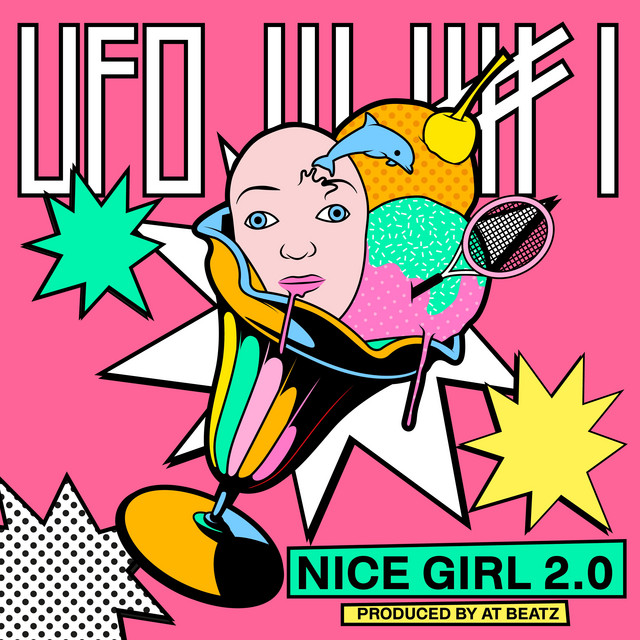
German cloud rap crystallized in the mid‑2010s as German‑speaking artists absorbed the aesthetics of U.S. cloud rap (Lil B, Main Attrakionz) and the atmospheric production of Clams Casino. SoundCloud, Tumblr, and YouTube were crucial: pastel visuals, VHS filters, anime edits, and lo‑fi graphic design traveled alongside hazy beats and Auto‑Tuned melodies. Early adopters like LGoony, Yung Hurn, and Crack Ignaz modernized German rap’s cadence and slang for this floaty, emotive palette.
Crews, micro‑labels, and online collectives (e.g., Live From Earth) helped standardize a sound marked by slow‑to‑mid tempos, washed‑out synths, and melodic hooks. Producers such as DJ Heroin and Asadjohn emphasized reverb‑heavy pads, gentle 808s, and wide stereo imaging. Austrian voices (Yung Hurn, Crack Ignaz, Money Boy) were integral, making the style a German‑language ecosystem rather than strictly a single‑country movement.
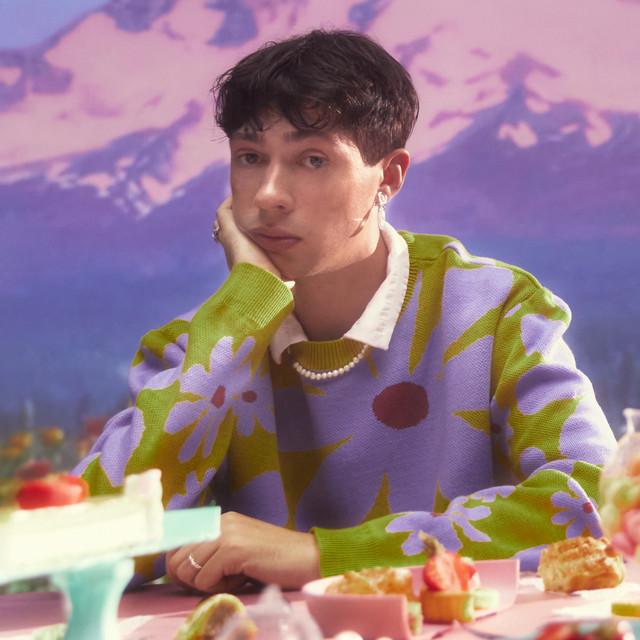
As the sound matured, acts like RIN, Haiyti, and Ufo361 threaded cloud‑rap atmospheres into chart‑friendly tracks. Hooks became stickier and arrangements cleaner, but the core hallmarks—dreamy textures, Auto‑Tune, and internet‑native aesthetics—remained. The style bled into adjacent lanes (indie R&B, bedroom pop, hyperpop‑adjacent rap) and influenced a new generation of DIY artists who built careers directly from social platforms.
German cloud rap continues to morph with pluggnb‑style synths, more detailed vocal layering, and genre‑fluid collaborations. While some artists moved toward glossy pop‑rap or darker trap, the scene’s DNA—mood‑first production, melodic vocals, and online‑first culture—still underpins much contemporary German‑language rap.