Your digging level
Description
Garo pop is contemporary popular music performed primarily in the Garo (A·chik) language by artists from the Garo Hills of Meghalaya and adjoining Garo communities in Northeast India.
It blends mainstream Indian and global pop sensibilities—catchy hooks, glossy production, and danceable grooves—with local melodic contours, vocal phrasing, and cultural references. Typical releases range from romantic ballads to upbeat party tracks, often incorporating bilingual lines (Garo with English or Hindi) and modern hip‑hop or EDM touches.
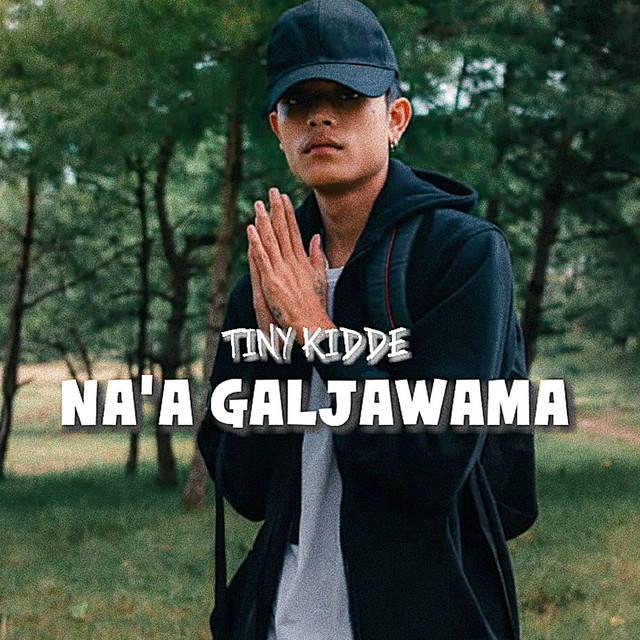
Visual aesthetics—from music videos shot in Tura, Williamnagar, and rural hill settings to fashion drawing on Garo textiles—contribute to the genre’s identity and its strong social‑media presence.
History
Pop songwriting in Garo began to coalesce in the late 2000s as inexpensive home‑recording tools and video platforms enabled local artists to publish original songs in their own language. Artists drew from Indian pop and Bollywood balladry while adapting melodies and prosody to fit Garo speech rhythms.
The 2010s saw a surge in independent singles, DIY labels, and regionally organized concerts across the Garo Hills. Collaborations with producers in Shillong and Guwahati helped standardize a modern pop sound—4/4 grooves, bright synth layers, and tight vocal production—while keeping Garo lyrics front and center. Bilingual hooks increased the music’s reach within Northeast India’s multilingual audience.
By the late 2010s and early 2020s, Garo pop spanned soft acoustic ballads, trap‑tinged midtempo tracks, and EDM‑influenced dance tunes. Rap verses, vocoder or light Auto‑Tune, and glossy video treatments became common, reflecting broader South Asian and K‑pop influences. Despite the modern polish, references to Garo places, customs, and everyday life anchor the songs culturally.
Today, Garo pop thrives on streaming and short‑video platforms. Local studios and producer‑singers support a steady output of singles, while cross‑scene collaborations with neighboring Khasi, Assamese, and pan‑Indian artists continue to expand the audience. The genre functions as both entertainment and cultural affirmation for Garo youth at home and in the diaspora.
Tempo and Groove: Work in 4/4 at 85–115 BPM. Use modern pop drum kits—tight kicks, snappy claps/snares, and subtle percussion loops. For dance tracks, add side‑chained synth pads and hat patterns that drive forward momentum.
•Harmony and Melody: Build around diatonic progressions (e.g., I–V–vi–IV or vi–IV–I–V). Vocal lines should be singable and hook‑forward, with room for melisma or call‑and‑response phrases that suit Garo prosody.
•Sound Palette: Layer clean electric or acoustic guitars with bright polysynths, plucky arps, and warm bass. Light Auto‑Tune or vocal doubling enhances sheen without masking diction. For ballads, let acoustic guitar and piano carry the harmony; for club‑leaning tracks, emphasize synth bass and risers.
•Lyrics: Center on love, friendship, hometown pride, and everyday experiences—delivered primarily in Garo. Sprinkle English or Hindi code‑switches for catchy hooks or emphatic punchlines, while keeping cultural specificity (place names, local imagery) intact.