Your digging level
Description
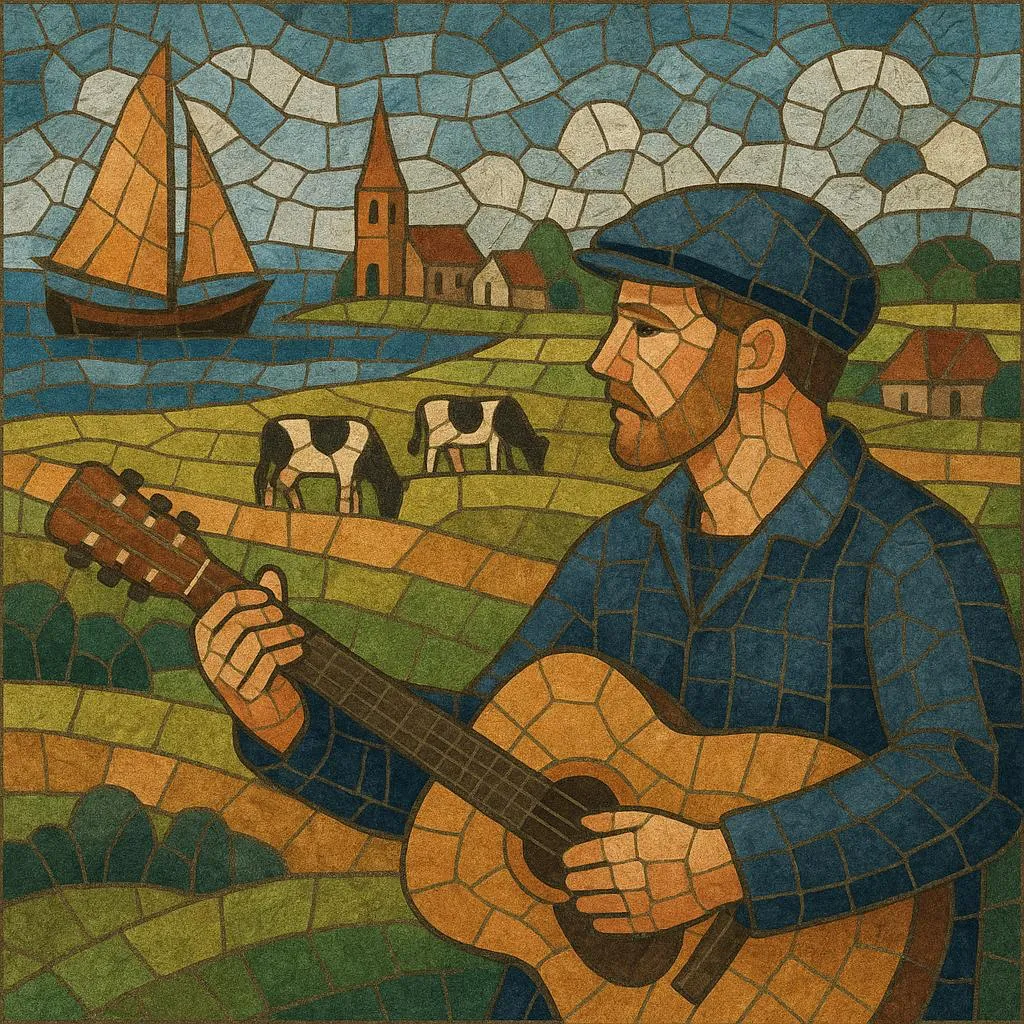
Friese muziek refers to the Frisian-language popular and folk music from the province of Fryslân (Friesland) in the Netherlands. It spans traditional sea songs and rural ballads to contemporary pop, rock, and singer‑songwriter styles, all performed in West Frisian (Frysk).
Characteristic features include strong storytelling, a close connection to Frisian identity and landscape (sea, skies, villages, farming life), and melodies that balance folk lilt with Dutch/Benelux pop sensibilities. Modern productions often use standard pop/rock instrumentation while retaining the intimacy and narrative focus typical of regional folk traditions.
History
Frisian song traditions go back centuries through work songs, sailing shanties, dance tunes, devotional repertoire, and village ballads. These lived mostly as oral traditions across the Wadden Sea coast and inland farming communities.
Amid wider European folk revivals and growing regional language movements, the modern Frisian‑language music scene crystallized in the 1970s. Bands and troubadours began arranging traditional material and writing new songs in West Frisian, helping to normalize Frysk as a pop/folk medium rather than solely a heritage language.
From the 1990s, Frisian pop and rock acts reached national charts, proving that minority‑language songs could resonate across the Netherlands. This era cemented the idea of Frisian as a viable language for contemporary genres (pop rock, ballads, indie), and inspired many emerging writers and bands to compose in Frysk.
Broadcasting and cultural bodies such as Omrop Fryslân, local venues, and regional labels nurtured the ecosystem. The Frisian song contest “Liet” (founded 1991) and its European offshoot “Liet International” (launched 2002) provided crucial platforms, commissioning new repertoire in Frisian and other minority languages and connecting Frisian artists to a wider network.
Today, Friese muziek encompasses everything from intimate singer‑songwriter and folk to polished pop/rock and experimental crossovers (e.g., fado‑inflected, classical, or electronic hybrids). Lyrical themes often center on place, memory, love, and everyday life, while the sound palette ranges from acoustic storytelling to full‑band festival material.