Your digging level
Description
Frevo de bloco is the lyrical, slower branch of Pernambuco’s frevo tradition, created for the carnival “blocos líricos” of Recife and Olinda.
Unlike the breakneck, instrumental frevo de rua, it features women’s choruses singing nostalgic, poetic melodies over an "orquestra de pau e corda"—a carnival orchestra that adds strings (violins, violas, cellos) to the usual frevo brasses and reeds (trumpets, trombones, clarinets, flutes), with light, elegant percussion. The result is a tender, serenade-like frevo that evokes saudade, romance, and memories of carnivals past while still retaining the genre’s 2/4 march feel and bright harmonic color.
History
Frevo de bloco emerged in Recife, Pernambuco, during the 1920s with the rise of the "blocos carnavalescos líricos" (lyrical carnival blocs). While frevo de rua crystallized as a fast, instrumental brass-band style, the lyric blocs sought a warmer, more romantic sound. They adopted women’s choruses and string sections (hence “pau e corda,” wood and strings), merging local march traditions (dobrado/marchinha), salon serenade practices (seresta/modinha), and the frevo rhythmic backbone.
Pioneering groups such as Bloco das Flores (founded in 1920) set the template: flowing melodies in 2/4, softer articulation, and nostalgic texts celebrating the city, love, and carnival imagery (Pierrot, Colombina, flowers), presented with poised choral writing and counter-melodies in reeds and violins.
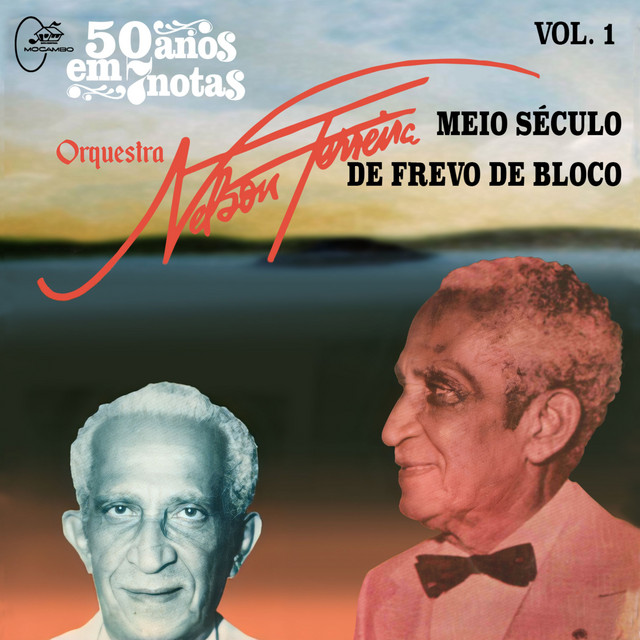
Across mid‑century Recife and Olinda, frevo de bloco coexisted with frevo de rua (instrumental) and frevo‑canção (solo-voice song form). Composers such as Capiba, Nelson Ferreira, and the Moraes family wrote signature pieces for the lyric blocs, which became emblematic of the late-afternoon, processional moments of carnival when tenderness and remembrance balanced the exuberance of street frevo.
From the 1970s onward, a nostalgia wave and cultural preservation efforts sparked renewed vitality—symbolized by the founding of Bloco da Saudade (1974). To this day, lyric blocs parade with women’s choirs and pau‑e‑corda orchestras, providing an essential counterpoint to the high‑speed frevo de rua. In 2012, UNESCO inscribed frevo (as an overall cultural complex) on the Representative List of the Intangible Cultural Heritage of Humanity, with frevo de bloco recognized as a key expressive branch within that ecosystem.