

Your digging level
For this genre
0/8
🏆
Sign in, then listen to this genre to level up
Description
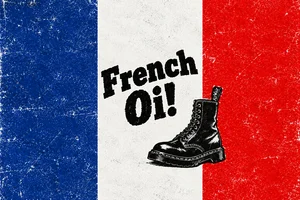
French punk is the punk-rock scene that developed in France, rather than a separate style with one characteristic sound. Shaped early on by punk scenes in the United States and the United Kingdom, it grew through French bands, record shops, labels and festivals.
The scene has encompassed minimalist punk, anarcho-punk and hardcore punk, as well as music combining punk rock with grunge. Its recordings have not necessarily been in French: Stinky Toys’ early single “Boozy Creed” was a non-English-language punk record.
History
Early scene
Punk rock took root in France in the mid-1970s. In Paris, figures including record-shop owner and label founder Marc Zermati helped connect local listeners with American and British bands. Zermati organized the first European Punk Rock Festival at Mont-de-Marsan in August 1976.
Métal Urbain and Stinky Toys, both formed in 1976, were among the early French punk bands. The following year brought releases including Stinky Toys’ “Boozy Creed” and Métal Urbain’s “Panik”.
Expansion
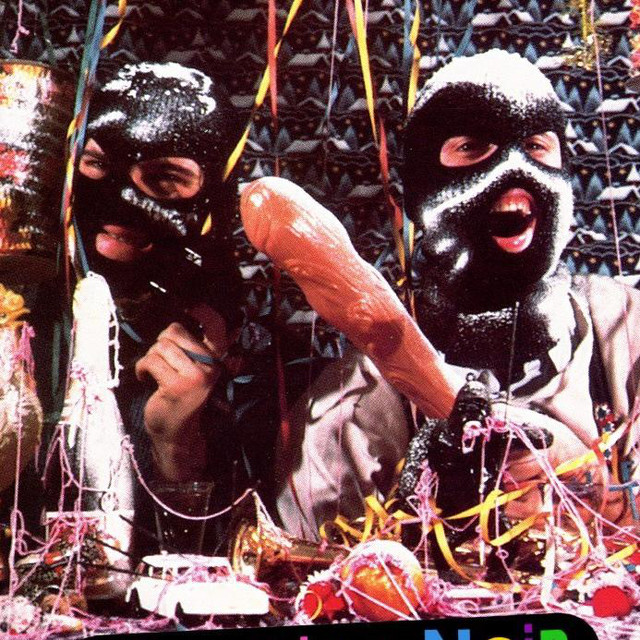
More bands appeared in the 1980s, among them Ludwig von 88 and Bérurier Noir. Karnage, formed in Clermont-Ferrand in 1981, was an early French anarcho-punk group; it used both a live drummer and a drum machine at different points. Les Wampas also emerged in the 1980s, finding greater success in the 2000s.
Later currents
During the 1990s, Noir Désir combined punk rock and grunge. The 2000s saw a growing number of hardcore punk groups, including Guerilla Poubelle and Tagada Jones.
Choose a direction
Treat French punk as a broad scene rather than a fixed recipe. You could aim for a stripped-down punk approach, explore the intensity of hardcore, or combine punk with elements of grunge. An early anarcho-punk example used either live drums or a drum machine, so either can be a starting point.
Build the arrangement
A common punk-rock approach is to start with a direct guitar riff, bass and a forceful drum part, then shape the song around a clear vocal line. For a more minimal arrangement, keep the number of parts down and let changes in emphasis or texture provide contrast. If using a drum machine, experiment with its regular pulse against a rougher guitar performance.
Write and perform
Choose the language that best serves the song; French is one possible choice. Keep the performance immediate, and adjust the density and intensity to suit the particular punk, hardcore or grunge-inspired direction you want to pursue.
Best playlists

Users’ favorites
Tracks
Share your favorite track to see the other users’ ones
Artists
Share your favorite artist to see the other users’ ones
Albums
Share your favorite album to see the other users’ ones
Related labels


Upcoming concerts
in this genre
Influenced by


Has influenced
No genres found
