Your digging level
Description
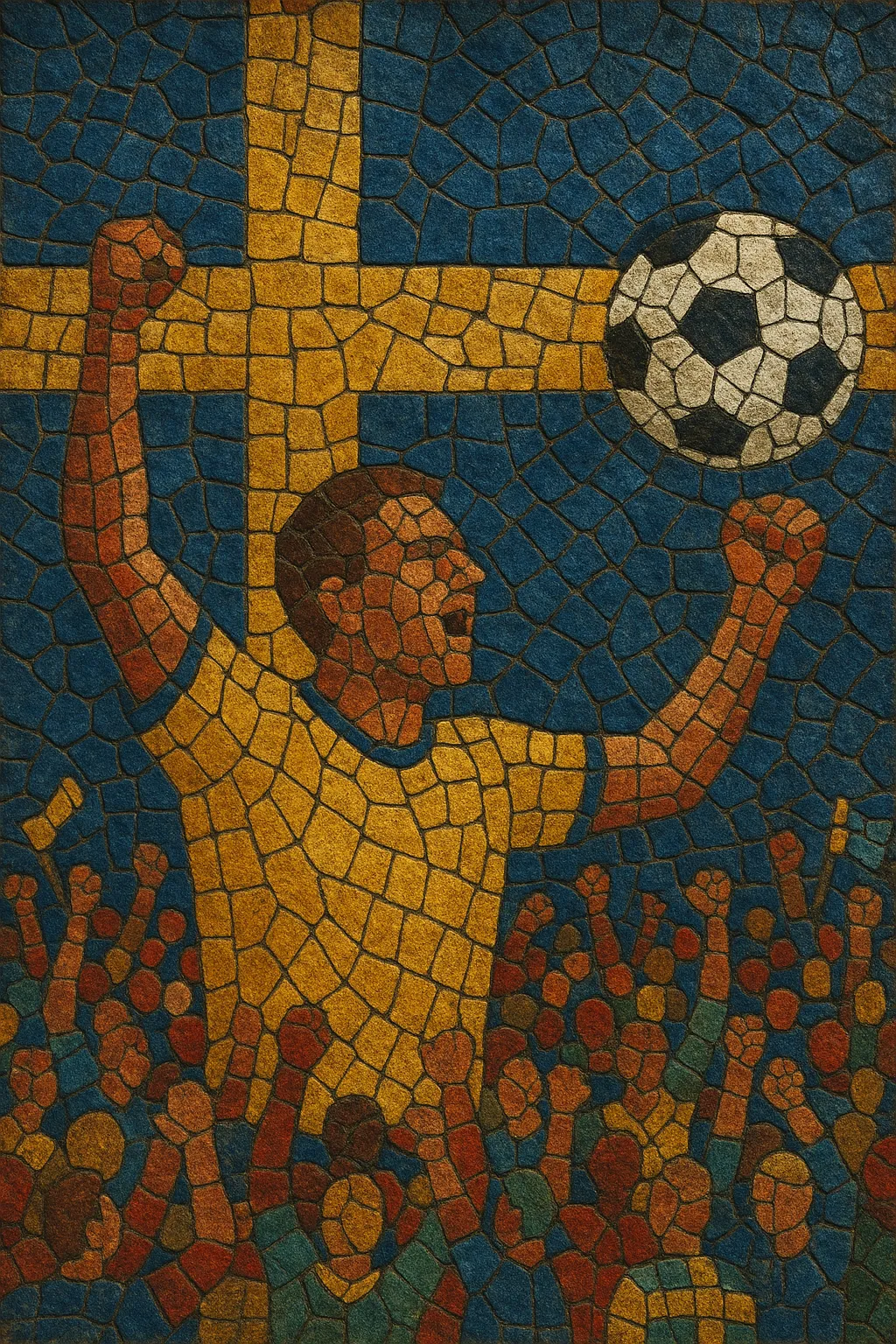
Fotbollslåtar (literally “football songs” in Swedish) are pop-leaning anthems created to rally support for Swedish football clubs and the national team. They blend terrace-chant simplicity with radio-friendly hooks so fans can sing along en masse in stadiums, fan zones, and at home.
Musically, fotbollslåtar borrow from schlager, pop rock, Eurodance, and contemporary hip hop, prioritizing memorable choruses, call-and-response parts, and “gang vocals.” Lyrically they celebrate team colors and nicknames, iconic players and coaches, national pride, and tournament narratives (qualification runs, rivalries, and “do-or-die” matches). The production often emphasizes drums, handclaps, crowd noise, and modulation lifts to heighten a sense of collective euphoria.
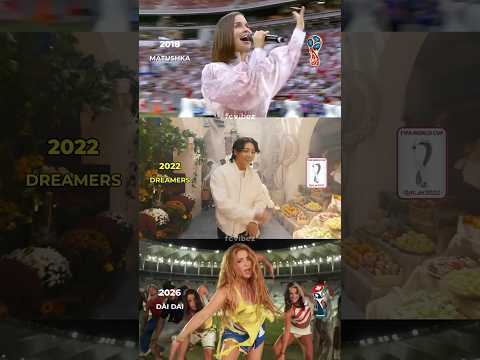
![[The Best World Cup Song of Every Year]](https://i.ytimg.com/vi/V7pbDC-VnMo/hqdefault.jpg)
History
Swedish supporter culture began adopting and adapting pop melodies and terrace chants into Swedish-language songs in the 1970s. As club identities strengthened and televised football grew, simple, chant-like choruses became a staple of pre‑match and post‑match rituals. Songs from outside football were also adopted by fanbases and repurposed as de facto anthems.
The model of releasing official or semi‑official songs around major tournaments crystallized in the 1990s. The breakthrough moment for many listeners was 1994, when the national team’s bronze at the FIFA World Cup coincided with highly visible pop tie‑ins. The decade cemented the formula: upbeat tempos, communal hooks, and overt references to “Blågult” (blue‑yellow) pride.
Through the 2000s and 2010s, fotbollslåtar folded in Eurodance energy and contemporary pop production (big kicks, claps, and crowd shouts), and later hip hop cadences. Clubs increasingly embraced artist‑fronted entrance songs, while national‑team singles accompanied qualification campaigns and tournament summers. Streaming and social media helped newer anthems spread quickly among younger supporters.
Today’s fotbollslåtar live at the intersection of stadium culture and mainstream pop. They are purpose‑built for massive singalongs, often debuting near tournaments, club jubilees, or high‑stakes fixtures, and remain a key sonic marker of Swedish football identity.


Best playlists