Your digging level

For this genre
0/8
🏆
Sign in, then listen to this genre to level up

Description

Flick hop is a hip-hop substyle defined by prominent use of samples, dialogue snippets, and sound design drawn from films, television, and other screen media.

Compared with conventional boom bap, the “flick” component is not just decorative: spoken-word quotes, scene-setting ambience, and cinematic motifs are often arranged as structural elements (intros, bridges, refrains, or narrative pivots).

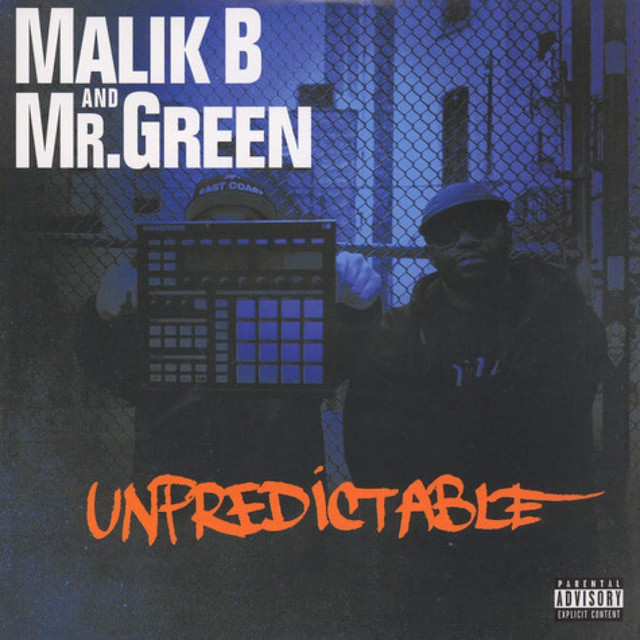
The result is typically a gritty, story-forward sound that feels like a soundtrack—often built on chopped soul/jazz/funk loops, hard drums, and DJ-centric aesthetics (scratches, cuts, and sample collages).


Sources: Spotify, Wikipedia, Discogs, RYM, MB, user feedback and other online sources

History

Origins (1990s)

Flick hop emerged from late-1980s and 1990s sample-based hip hop, when producers increasingly treated film dialogue as a musical ingredient rather than a simple intro tag.

This paralleled the rise of DJ mixtape culture and turntablism, where cutting between vocal snippets and beats was already a core craft.

Consolidation in underground rap (late 1990s–2000s)

As sample collage aesthetics spread, many underground and independent releases leaned into cinematic sequencing: scene-setting intros, recurring character quotes, and “soundtrack-like” beat progression.

The style became a recognizable flavor within boom bap and instrumental hip hop—especially among producers who curated a strong visual/narrative identity.

Continued life in the streaming era (2010s–present)

Flick hop persists as a niche but durable approach.

Modern producers often combine classic crate-dug loops with higher-fidelity sound design, while also facing greater sample-clearance pressure—leading some to use public-domain sources, re-enacted dialogue, or original voice acting to keep the cinematic feel.

How to make a track in this genre

Core concept

Build the track as if it were a short scene.

Decide what the dialogue/sound bites do: establish setting, introduce a character, foreshadow a drop, or provide a recurring hook.

Sampling & sound sources
•   Dialogue: Choose lines with strong rhythm, emotion, or memorable phrasing. Short phrases loop better; longer monologues work as intros/outros. •   Ambience/Foley: Room tone, footsteps, doors, rain, sirens, crowd noise, or VHS/TV hiss can create a “frame” around the beat. •   Music beds: Classic approaches use chopped soul/jazz/funk loops; darker flick hop often favors minor-key strings, suspense chords, and sparse melodies.
Drums & groove
•   Start from a boom bap backbone: punchy kick, crisp/snappy snare, swung hats. •   Use drops and re-entries like film editing: mute drums under dialogue, then slam them back in to simulate a cut. •   Layer subtle percussion hits (ticks, impacts, reversed cymbals) to mimic trailer-style momentum without turning it into EDM.
Harmony & texture
•   

Keep harmony simple and loop-friendly (1–4 bar progressions), but enhance drama with:

•   

minor-key voicings,

•   

diminished/passing chords,

•   

pedal tones in bass,

•   

filtered risers and tape stop effects.

•   

Apply lo-fi processing (vinyl crackle, saturation, bit reduction) if you want a gritty, archival “found footage” feel.

Arrangement (cinematic sequencing)
•   Intro (scene): ambience + a key quote. •   Act 1: main loop with full drums. •   Transition: scratch/echo the last word of a quote to pivot sections. •   Act 2: switch the loop (or flip the same sample) to suggest a plot turn. •   Outro (credits): reprise the motif with reduced drums and longer dialogue.
Vocals & lyrics (if used)
•   Write with imagery and narrative: character sketches, moral tension, street reportage, or noir-style reflection. •   Let the dialogue act like a secondary narrator—but avoid clutter by leaving space around quotes.
Performance & mixing tips
•   Treat dialogue as a lead instrument: EQ for intelligibility (often a presence lift), automate volume, and carve space in the beat. •   Use short reverbs/delays to place quotes “in a room,” and heavier effects for dream/flashback moments. •   Consider legal/clearance constraints: if releasing commercially, plan for clearance or use original recordings/public-domain sources.

Top tracks

Locked
Share your favorite track to unlock other users’ top tracks

Upcoming concerts

in this genre
Influenced by

Download our mobile app

Get the Melodigging app and start digging for new genres on the go
© 2026 Melodigging
Melodding was created as a tribute to Every Noise at Once, which inspired us to help curious minds keep digging into music's ever-evolving genres.
Buy me a coffee for Melodigging