Description
English country music is a term for instrumental music brought to wider attention by the English folk revival. Its repertoire is strongly associated with polkas, but it is distinguished as much by the playing styles of rural musicians as by any fixed collection of tunes.
The musicians whose playing interested revivalists drew on varied material: their repertoires could include songs and tunes from print, music hall, radio and recordings as well as pieces that might be considered traditional. The name is distinct from American country music, a different genre with which it could be confused.
History
A name for the music
The term gained currency in the 1960s and early 1970s, when the folk revival was paying attention to instrumental music played by rural English musicians. It offered an alternative to both “folk,” a label then used broadly, and “traditional,” which could exclude the newer material those musicians also played. Revival performers became interested in the style of the musicians they learned from, not simply in their tunes.
Recordings and gatherings
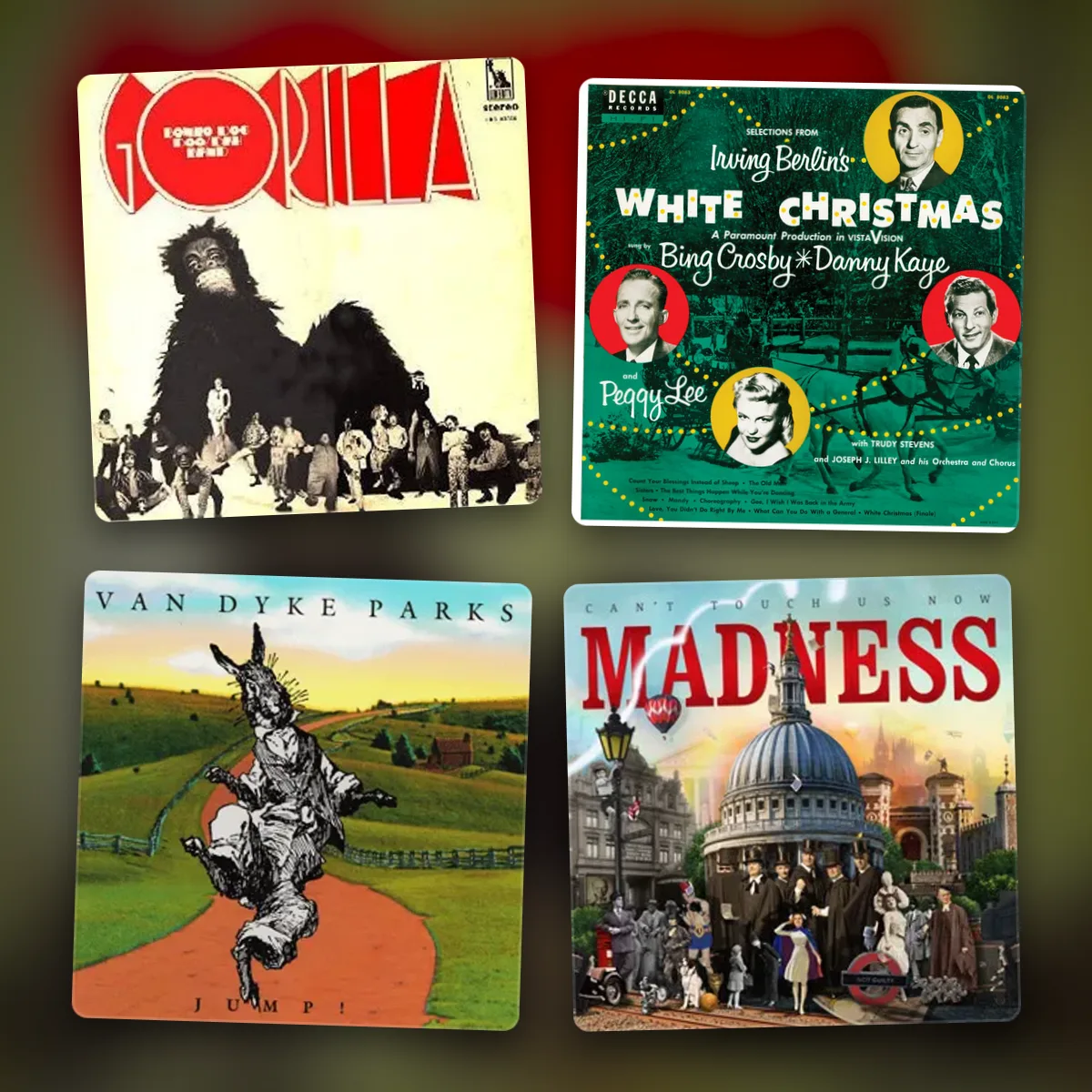
Oak’s LP Welcome to Our Fair, subtitled English Country Music and Song, helped establish the name within the revival. A Topic Records reissue of Reg Hall’s earlier recording English Country Music was still more influential. The label’s catalogue became an important source for aspiring players.
Members of Oak went on to form the Old Swan Band in Cheltenham and helped initiate English Country Music Weekends, beginning at Cricklade. These events featured traditional musicians rather than revival performers. Music-making also brought revivalists and older musicians together in country pubs.
Later use
The label became less common as “traditional” came to be used more flexibly; confusion with American country music may also have contributed. The music continues in settings including pub sessions, barn dances and ceilidhs, as well as at the East Anglian Music Trust’s Traditional Music Day in Stowmarket.
Start with tunes and playing style
Build an instrumental repertoire around dance tunes. Polkas are a particularly relevant starting point: work on a clear, regular dance pulse and a melody that remains easy to follow. Listen closely to the character of individual players rather than treating the notes alone as the whole model.
Choose material and instruments
A concertina is one possible lead instrument. You could also draw tunes from different kinds of sources rather than restricting the set to material labelled strictly traditional; the musicians associated with this music played a mixture of older and more recent pieces.
Arrange for a session
Keep the tune prominent and leave room for players to make music together. For a dance setting, a practical approach is to repeat a tune enough for its rhythm and shape to settle, then move to another tune with a compatible pulse. Treat these arranging choices as options rather than fixed rules.

Influenced by