Description
Dutch drill is bass-heavy rap built around hard, syncopated drum patterns and forceful voices. Mapped by Every Noise at Once and represented by Spotify’s playlist “The Sound of Dutch Drill,” the name has attracted scant published description. It refers to Dutch artists and language within drill, rather than a separate musical style.
The music often moves with a heavy half-time pulse: sharp snares or rimshots cut through stuttering hi-hats, while deep electronic bass slides between notes. Dark, minimal loops give the tracks their atmosphere, using synth pads, piano or keyboard figures, string samples and occasionally bell-like tones. Brief beat dropouts can leave the voice exposed before the drums return.
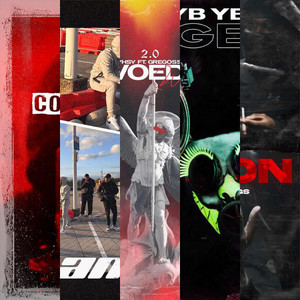
Rappers generally deliver their lines in a low or middle register, with an assertive, rhythmic attack. Doubled phrases, ad-libs and echoed interjections add emphasis around the lead, which sits dry and prominent in a clean, punchy mix. Dutch is common, alongside some English; titles such as “We Komen Van Niks,” “Woede 2.0” and “No Hesitation” reflect that mix. The sound is close to drill and UK drill, with their heavy bass and intricate rhythms. Many of the playlist’s releases are from around 2020.
Based on: Every Noise at Once, Spotify's genre tags and playlist
Build the beat
Start with a heavy half-time drill groove. Program a sharp snare or rimshot against syncopated hi-hats, adding quick rolls and small variations. Use a deep electronic sub-bass with sliding notes; let the bass and kick carry much of the weight. UK drill offers a useful reference for combining low bass with intricate rhythms.
Keep the loop spare
Make a short, dark minor-key figure with a piano or keyboard sound, a synth pad, a string sample or a bell-like tone. Repeat it with little harmonic movement, allowing the sliding bass to add tension. Drop the drums out briefly to create space before the next vocal phrase.
Record the vocals
Use a direct, rhythmic rap delivery in a low or middle register. Keep the lead upfront and relatively dry, then reinforce selected phrases with doubles and ad-libs. Add delay or reverb to the backing interjections while keeping the overall mix clean, punchy and bass-heavy.