Your digging level
Description
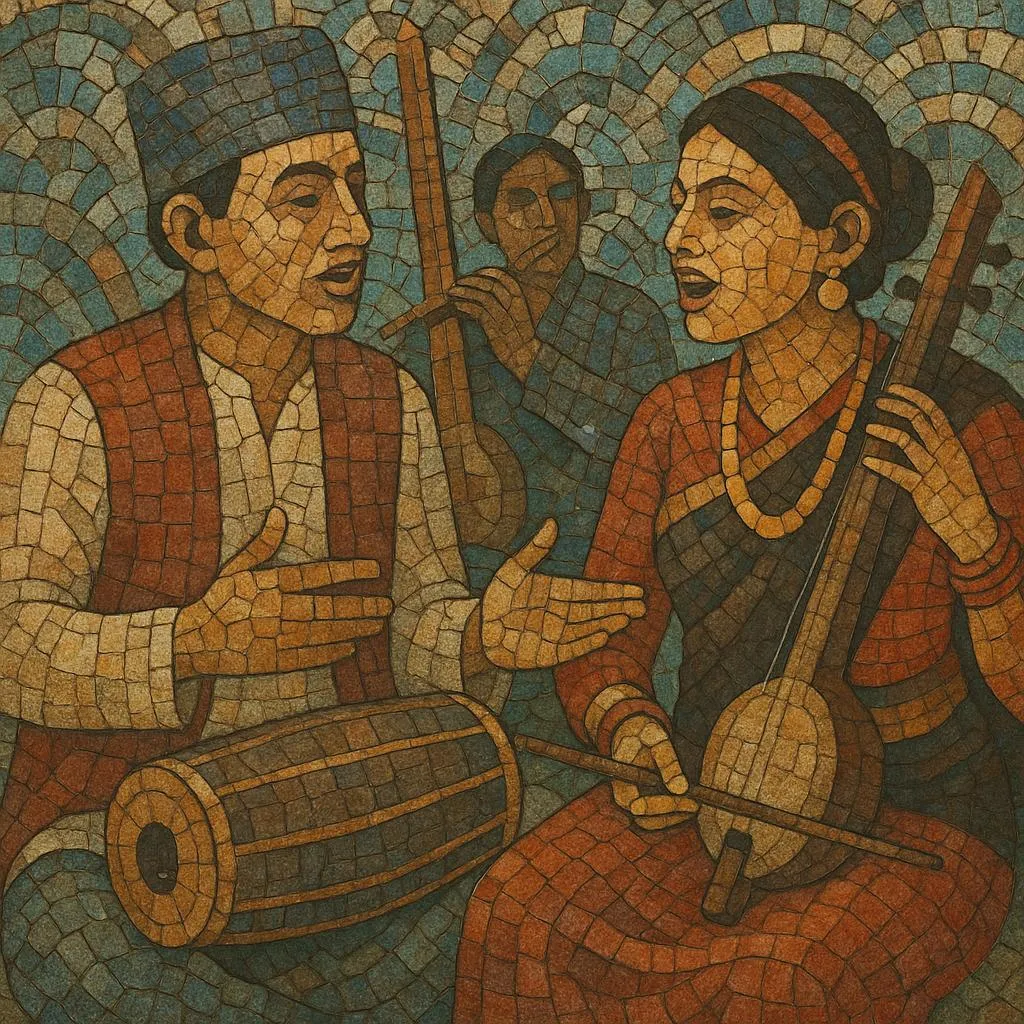
Dohori is a Nepali folk singing tradition built around a playful, improvised call‑and‑response between two teams—traditionally one of women and one of men. The very word “dohori” means “back and forth,” referring to the exchange of lyrical phrases in a sung dialogue.
Performances feature extemporized couplets that pose questions, tease, flirt, or debate, and the opposing team replies in kind with equally poetic lines. The contest can last for minutes or hours, with the crowd encouraging clever wordplay and melodic turns. While rooted in village life and community festivities, dohori also thrives in urban “dohori sanjh” venues and on recordings, where it blends classic instruments and contemporary arrangements.
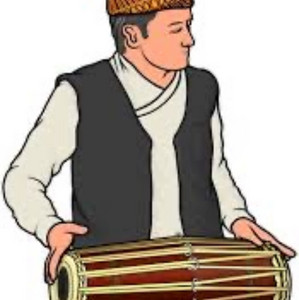
Typical accompaniment includes madal (double‑headed drum), sarangi (bowed lute), bansuri (bamboo flute), and harmonium—sometimes joined by guitar and bass in modern settings. Melodies are modal or pentatonic and set to lively, danceable rhythms.
History
Dohori emerged in Nepal’s hill regions as a participatory, village‑based practice that brought communities together during harvests, fairs, and festivals. Its essence is spontaneous, collaborative composition: one team sings a witty couplet and the other replies, sustaining a musical conversation that can range from flirtation to social critique. The form’s accessibility—memorable refrains, danceable rhythms, and shared cultural references—helped it spread across Nepali‑speaking communities.
With the expansion of radio and cassettes in the late 20th century, dohori moved from farmyards and courtyards onto national airwaves. From the 1990s, “dohori sanjh” (evening dohori clubs) flourished in Kathmandu and other cities, professionalizing ensembles while preserving the improvised duel at the music’s core. Organizations and folk academies began hosting competitions and festivals, elevating standout singers and standardizing stage formats.
Today, dohori thrives both in rural ceremonies and urban nightlife, and among Nepali diaspora communities worldwide. Studio productions often pair traditional sarangi, madal, and bansuri with harmonium, guitar, and bass, while lyrics address love, migration, labor, and current affairs—sometimes with sharp satire. Viral videos and televised contests have amplified its reach, yet the genre’s identity remains grounded in quick‑witted, melodic repartee between two facing teams.