Your digging level
Description
Dark hardcore is a sinister, industrial-tinged strain of hardcore techno that emphasizes atmosphere as much as impact. It retains the genre’s 4/4, distorted kick foundation but leans into eerie sound design, minor-key harmonies, and cinematic horror or sci‑fi sampling.
Tempos typically sit between 155–180 BPM (with outliers both slower and faster), and the drum sound is dominated by overdriven 909/Industrial-strength kicks, metallic percussion, and bleak pads or drones. Compared with party-oriented gabber, dark hardcore pursues a colder, dystopian mood—bridging classic Rotterdam/Frankfurt brutality with the brooding textures of industrial techno and EBM.

History
Dark hardcore emerged in the early 1990s as hardcore techno’s ferocity met the ominous atmospheres of industrial music. In Frankfurt, Marc Acardipane and the Planet Core Productions (PCP) camp pushed a darker aesthetic through aliases like The Mover and Mescalinum United—codifying a doom‑laden, reverberant, warehouse sound that contrasted with brighter rave styles. Simultaneously in the Netherlands, post‑gabber producers drew on the same palette of distorted kicks, minor harmonies, and horror samples, steering the dancefloor toward a grimmer edge.
As mainstream gabber splintered, dedicated labels and artists built dark hardcore into a recognizable current. Dutch imprints and producers (e.g., Ruffneck and later Enzyme affiliates) refined a template of pounding kicks, tense breakdowns, and cinematic ambience. Italian and German scenes also contributed, tightening production while maintaining the genre’s oppressive mood. Industrial Strength (NYC) and European labels cross‑pollinated, keeping the sound heavy, experimental, and club‑functional.
In the 2010s, dark hardcore’s DNA threaded into industrial hardcore, terror‑leaning tracks, and crossbreed (a hardcore–drum & bass fusion). Collectives and labels connected to Rotterdam, The Hague, and PRSPCT fostered artists who mixed classic dark atmospheres with modern sound design. Today the style persists as a moody counterpart to high‑octane hardcore—equally at home in cavernous warehouses and contemporary festival stages, and often intersecting with raw/industrial techno aesthetics.
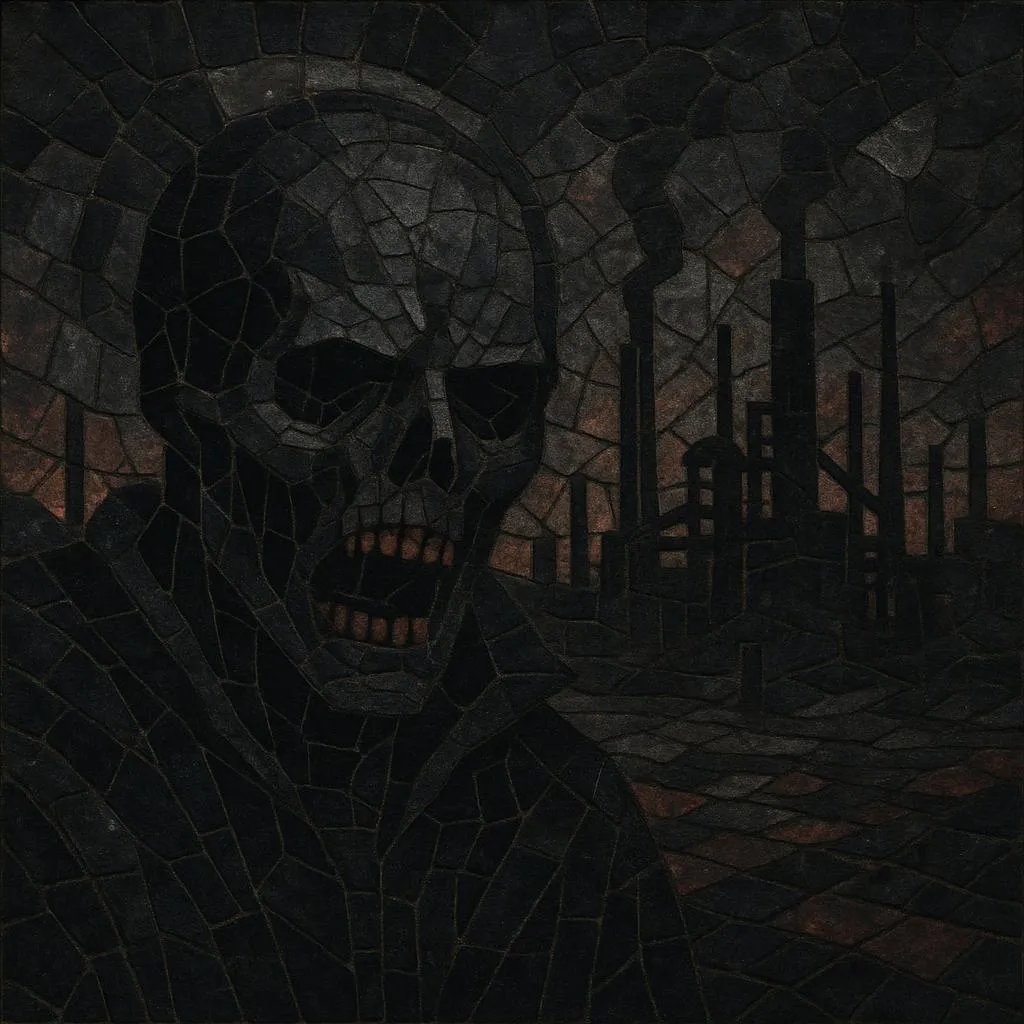
Dark hardcore is defined by its dystopian tone: minor keys, dissonant intervals, long reverbs, and cinematic sampling. Visuals and artwork frequently borrow from sci‑fi, cyberpunk, and horror, reinforcing a world‑building approach where the mood is as important as the groove.
![[FREE] Dark Hardcore / Wave Core / Hard Techno Type Beat 'SCHIZO' | Background Music](https://i.ytimg.com/vi/tUkH3JbnD_U/hqdefault.jpg)