


Description
D.C. hardcore was a hardcore punk scene centered on Washington, D.C., and its surrounding region, rather than a separate musical style. Emerging in the late 1970s, it brought together bands, independent releases, fanzines and small, all-ages shows around a do-it-yourself ethos.
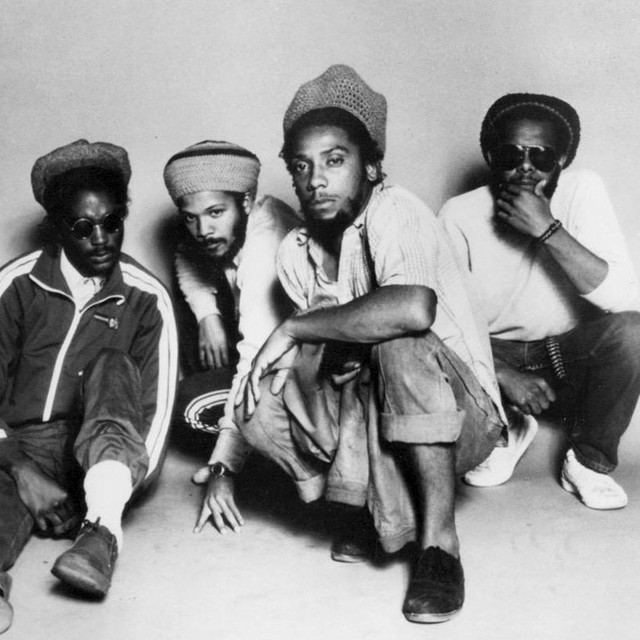
Early bands played short, fast, confrontational songs, often with harsh vocals and tight ensemble playing. Their approaches varied: Bad Brains brought reggae influences to their punk, while Minor Threat became known for particularly aggressive, less melodic riffs. Later participants broadened the music with more developed melodies and inward-looking lyrics, contributing to post-hardcore and emo.
The scene also contained tensions. Straight edge inspired solidarity but divided some participants, while violence, racism and misogyny alienated others. Revolution Summer was an attempt to renew the community as well as its music.
Sources: Wikipedia, Rate Your Music
History
Beginnings and independent infrastructure
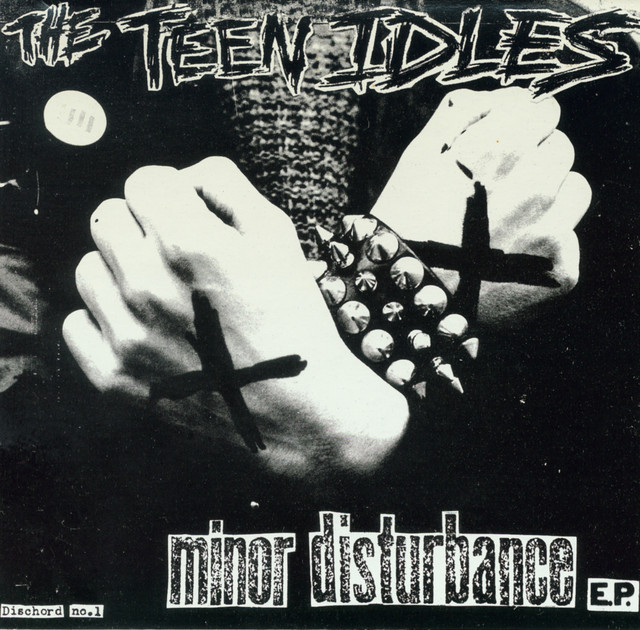
D.C. hardcore emerged in late 1979 from a local punk community that had developed during the preceding years. Bad Brains helped establish the scene’s fast, aggressive direction. The Teen Idles, formed in September 1979, released the EP Minor Disturbance in 1980, the scene’s earliest release longer than a single.
Teen Idles members Ian MacKaye and Jeff Nelson founded Dischord Records, which became central to releasing and distributing local bands’ music. After the Teen Idles broke up, they formed Minor Threat. The 9:30 Club, opened in 1980 in the former Atlantis space, became an important venue for the wider D.C. punk community.
Straight edge and a changing scene
Minor Threat’s song “Straight Edge” helped inspire a movement opposed to alcohol and drug use. Straight edge became influential within the scene, but disagreements between its adherents and other participants sometimes led to conflict. By the mid-1980s, violence and internal tensions, including racism and misogyny, had left some people alienated.
The Faith’s 1983 EP Subject to Change signaled a musical shift toward more developed melodies and introspection. In 1985, Amy Pickering proposed a renewal that became known as Revolution Summer. Bands associated with it, including Rites of Spring and Embrace, explored more inward-looking lyrics and helped open paths toward post-hardcore and emo. Guy Picciotto and MacKaye later objected to the emo label.
Later developments and legacy
The D.C. punk community continued to evolve in the later 1980s with bands including Fugazi. Dischord documented the changing scene on compilations such as Flex Your Head in 1982 and State of the Union in 1989. The scene’s independent infrastructure, all-ages shows and musical innovations left an influence beyond Washington.
Build a direct hardcore song
Start with a short, forceful punk arrangement. Use fast, aggressive riffs and a tightly coordinated rhythm section; keep the vocal delivery urgent and confrontational. Rather than treating complexity as the goal, make the transitions and attacks precise enough for the band to hit together.
Shape the words and performance
Give the lyrics a clear point of view. You could write about conviction or social concerns in the spirit of the early scene, or use a more inward-looking perspective associated with its later development. Deliver the words with intensity, while leaving room for the phrasing to follow the song’s emotional direction.
Explore the later movement
To draw on the scene’s evolution, develop a stronger melodic line without losing the attack of hardcore. You could vary the riffs and dynamics or make the writing more nuanced. Reggae, funk and pop were among the influences individual D.C. bands brought into their music; treat them as possible starting points for experimentation, not as requirements for every song.
Best playlists

Influenced by


