Your digging level
Description
Cosmic American music is a roots‑oriented blend coined by Gram Parsons to describe a seamless fusion of country, rock, soul, R&B, gospel, and folk. It favors the emotional directness of country and the groove and vocal fervor of Southern soul, set within a rock band format.
The sound typically features pedal steel guitar, harmony vocals, warm analog textures, and relaxed tempos, often tinged with a gentle, “spacey” ambience—more spiritual than psychedelic. Lyrically, it dwells on heartbreak, longing, redemption, and the mythic American road, evoking an intimate, wistful mood that can shift from barroom lilt to hymn‑like reverie.
History
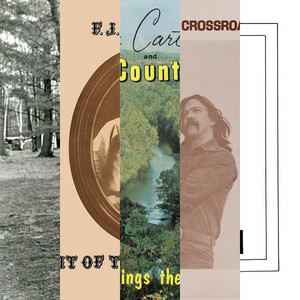
Gram Parsons popularized the term “Cosmic American Music” to articulate a style that erased boundaries between country, rock, soul, R&B, gospel, and folk. After a stint with the International Submarine Band, Parsons joined The Byrds, guiding the "Sweetheart of the Rodeo" (1968) pivot into country. He then formed The Flying Burrito Brothers, whose "The Gilded Palace of Sin" (1969) set the template: pedal steel swoon, country balladry, soulful grooves, and rock immediacy.
Cosmic American favored the instrumentation and storytelling of country, the harmonies and fervor of gospel, the feel of Southern soul/R&B, and the open form of rock. Production leaned warm and unvarnished, foregrounding human vocals and pedal steel. Emmylou Harris, Gene Clark, and Michael Nesmith’s First National Band further refined the aesthetic, balancing honky‑tonk twang with luminous harmony and gentle, “cosmic” spaciousness.
The approach influenced country rock’s mainstream rise (Poco, Linda Ronstadt, Eagles) and seeded the later Americana and alt‑country movements (Uncle Tupelo, The Jayhawks, Wilco). While not always labeled explicitly as “cosmic American,” the ethos—genre permeability in service of song—remains foundational to roots‑rock and modern Americana.
From the 1990s onward, artists revisited its textures and spirit, restoring pedal steel, harmony‑rich arrangements, and soul‑country blends to indie and Americana contexts. Today, the style endures as a touchstone for song‑first, roots‑conscious musicians seeking a timeless yet quietly expansive sound.