

Your digging level
Description
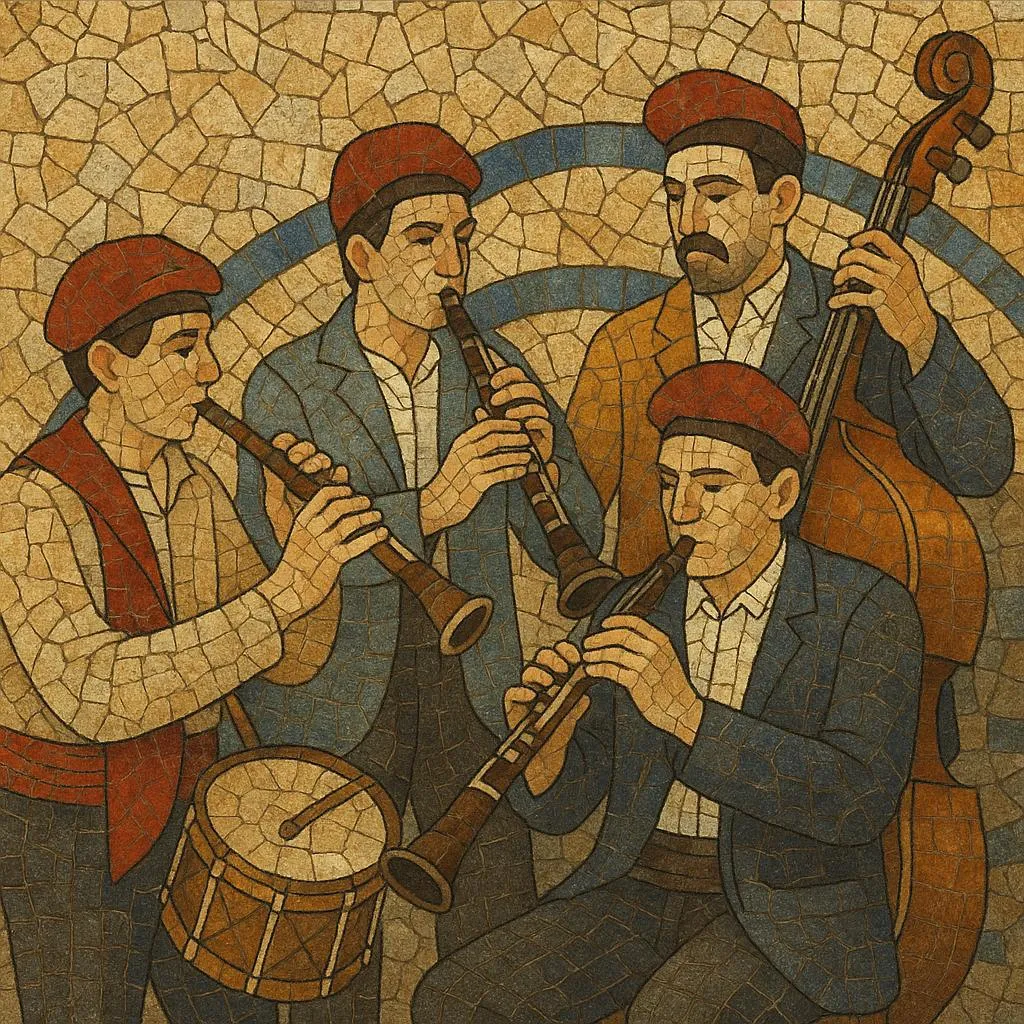
Cobla is a traditional music ensemble and genre unique to Catalonia, Spain, primarily known for accompanying the Sardana dance. It is characterized by a distinctive sound palette resulting from a combination of double-reed woodwind instruments (tible and tenora) with a brass section and a double bass. The ensemble typically consists of eleven musicians playing twelve instruments, led by the flabiol (a one-handed flute) and tamborí (small drum). While deeply rooted in folk tradition, the genre evolved in the mid-19th century to incorporate concert-band elements, allowing for complex, symphonic-style compositions that range from festive dance music to solemn, concert-oriented works.
History
The roots of the cobla lie in medieval minstrel ensembles known as 'cobla de tres quartans' (consisting of tarota, flabiol, and bagpipes) and 'mitja cobla'. These small groups provided musical accompaniment for religious ceremonies and popular festivals across Catalonia for centuries.
In the mid-19th century, specifically around the 1850s, the genre underwent a revolutionary transformation led by musician Josep Maria 'Pep' Ventura. He expanded the ensemble, replaced the archaic bagpipes with the newly developed 'tenora' (a tenor shawm with a metal bell), and incorporated brass instruments like the cornet and fiscorn. This standardization created the 'Cobla Moderna', an 11-piece band capable of greater dynamic range and chromaticism.
The early 20th century marked a golden age for cobla music, driven by the 'Noucentisme' cultural movement. Composers like Juli Garreta and Enric Morera treated the cobla as a symphonic orchestra, writing complex works that transcended simple dance accompaniment. This era solidified the genre's status as a symbol of Catalan national identity.
Despite suppression of Catalan culture during the Franco dictatorship, cobla music survived and adapted. In the late 20th and early 21st centuries, the genre continued to evolve, with ensembles like Cobla Sant Jordi - Ciutat de Barcelona experimenting with jazz fusions and contemporary classical collaborations, ensuring the tradition remains vital and living.
Compose for a strict 11-player ensemble: 1 Flabiol (plays flute and small drum simultaneously), 2 Tibles (soprano shawms), 2 Tenores (tenor shawms), 2 Trumpets, 1 Trombone, 2 Fiscorns (bass flugelhorns), and 1 Double Bass. The 'Tenora' is the star instrument, known for its powerful, emotive voice.
If composing a Sardana (the most common form), adhere to the binary structure of 'Curts' (short steps, typically in 2/4 or 6/8) and 'Llargs' (long steps, often more lyrical and expansive). The Flabiol provides a specific introductory trill (introit) to signal the dancers.
Utilize the contrast between the piercing, nasal quality of the woodwinds and the mellow warmth of the brass. Write counterpoint melodies between the Tibles and Tenores. The double bass provides the rhythmic anchor, often playing a simple ostinato, while the brass fills out the harmonic texture.

