


Description
Canadian jazz is the broad field of jazz and jazz-related music performed across Canada, rather than a single style with a uniform sound. Its history encompasses dance-oriented big bands and swing, small-group improvisation, free jazz, jazz fusion, vocal jazz and works combining jazz with classical music.
The scene ranges from local and regional performers to internationally prominent musicians. Its guitarists, pianists, singers, horn players and bandleaders have taken different approaches: for example, guitar playing can range from fingerpicked lines that combine bass, chords and melody to the sound of a solid-body electric instrument. Canadian festivals, recordings and broadcasting have provided important settings for the music.

HOW TO LISTEN TO JAZZ | Crash Course!
Jazzmentl
History
Early scene
A touring Creole Orchestra and Ragtime Band led by Bill Johnson played a jazz concert at Winnipeg’s Pantages Playhouse Theatre on September 21, 1914. Jazz scenes soon developed in Canadian cities, including Montreal during the 1910s; some Black musicians from the United States came to Canada to escape racism. In Vancouver, George Paris organized a band for the Patricia Hotel in 1917. Bands also played dance clubs across the Prairies during the 1920s.
Big bands and international careers
Jazz was popular across Canada by the 1950s. Pianist Oscar Peterson became internationally known as a recording artist, while trumpeter Maynard Ferguson toured and recorded both with his own band and with Stan Kenton. Gil Evans made recordings and collaborated with Miles Davis; some of Evans’s work was part of the early third-stream meeting of jazz and classical music. Peterson composed his Canadiana Suite in 1965.
From the 1970s onward
Guitarists Lenny Breau and Ed Bickert were highly regarded during the 1970s, each with a distinctive approach to the instrument. CBC Records released Canadian jazz albums, including Sonny Greenwich’s Son Song in 1974. The Montreal International Jazz Festival began in 1980, and the fusion band Uzeb reached a substantial audience during that decade. In the 21st century, vocalists including Diana Krall became popular alongside newer generations of Canadian jazz performers.
Choose an approach
Start with a jazz setting rather than looking for one defining Canadian-jazz formula. The scene includes big bands, small ensembles, vocal performance, free jazz and fusion. Choose the scale and degree of arrangement that suit the piece: you could write coordinated horn parts for a large band or leave more space for interaction in a smaller group.
Build the performance
A common approach in jazz is to state a melody, develop it through improvisation and return to it after the solos. A rhythm section can support the lead with chords, bass movement and responsive drumming. For a guitar-led piece, try fingerpicking separate bass, chord and melody parts; alternatively, explore the tone of a solid-body electric guitar.
Arrange for contrast
For a vocal piece, let the singer’s phrasing shape the accompaniment and leave room for instrumental responses. You could also draw on classical arranging for a third-stream-inspired work, or experiment with electric textures in a fusion setting. In each case, balance written material with the improvisation and ensemble interplay associated with jazz.

5 Amazing Jazz Piano Songs for Beginners
Jazzmentl

Jazz Improvisation for Beginners: Everything You Need to Know!
Jazzmentl



Best playlists

Canadian Jazz
jim.pascual

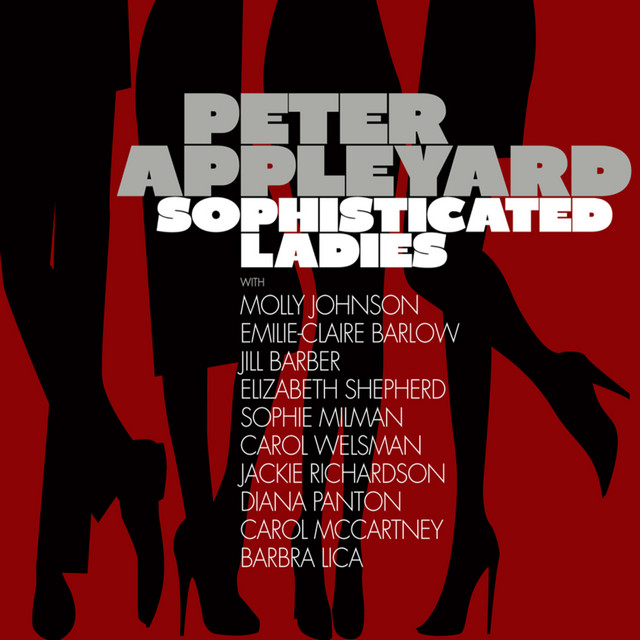
Canadian Women of Jazz
Norm

The Best Songs of Diana Krall | Ultimate Jazz Playlist
Jazz Restaurant
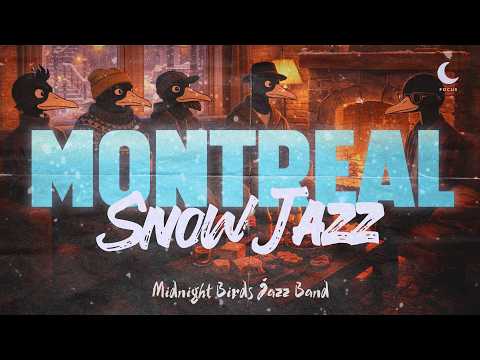
Atmospheric Jazz — #32 Montreal Snow Jazz | Midnight Birds Jazz Band
Midnight Birds Jazz Band

