


Description
Caipira music is a rural musical tradition associated with caipira culture and chiefly accompanied by the viola caipira, or caipira guitar. Its songs often evoke life in the countryside and the sertão, contrasting rural and urban life or portraying the landscape and romance.
One of its characteristic forms is the moda de viola: typically sung by two voices, it tells a story in a loose, recitative-like melody. Other forms emphasize dance and rhythmic accompaniment, as in catira, where guitar patterns accompany clapping, footwork and jumps. The tradition also encompasses religious singing and improvised verse challenges.
History
Rural roots
Caipira music grew out of the caipira culture of São Paulo during Portuguese colonization. Its forms reflect a mixture of European and Indigenous influences, with the moda de viola becoming a prominent expression of the tradition.
Groups and recordings
In 1924, folklorist Cornélio Pires formed Turma Caipira, identified as the first caipira music group. Pires made pioneering recordings at the end of the 1920s, drawing on stories and fragments of traditional songs from the interior of São Paulo. Modas de viola followed on record in the early 1930s. Later recording artists included Tonico & Tinoco and Vieira & Vieirinha.
Branches and renewal
In 1959, Tião Carreiro created caipira pagode in Maringá, Paraná, as an offshoot of catira. In the late 1960s, Leo Canhoto e Robertinho introduced electric guitar and pop influences in a development that helped mark the emergence of sertanejo as a distinct style.
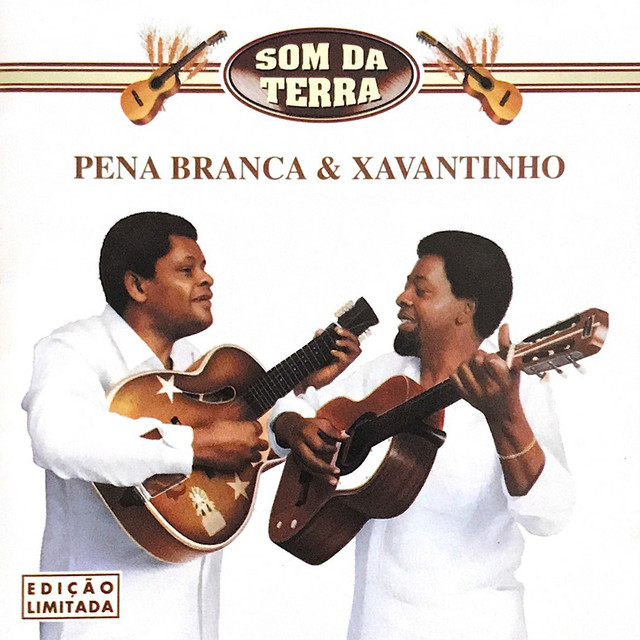
Amid the commercial expansion of sertanejo in the 1980s, Pena Branca e Xavantinho and Almir Sater were among the artists associated with a continuing caipira presence. A further generation, including Roberto Correa and Ivan Vilela, emerged in the following decade with an interest in reconnecting with caipira traditions.
Begin with a song and accompaniment
Use the viola caipira as the central accompaniment and choose a subject rooted in country life: a landscape, a rural relationship or a contrast between country and city. Give the words room to carry the song rather than treating them merely as decoration.
Shape a narrative moda
For a moda de viola approach, write a story and arrange it for two voices. Let the melody follow the rhythm of the narrative in a loose, recitative-like way, with the instrument supporting the words. You could develop the accompaniment around short recurring phrases that leave space for the singers.
Explore rhythm and participation
For a dance-oriented piece, take inspiration from catira: build a clear rhythmic guitar pattern and consider how handclaps, footbeats and jumps might answer it. For a religious or verse-based approach inspired by cururu, you could organize the singing around successive verses or exchanges between performers.


Best playlists

Has influenced

