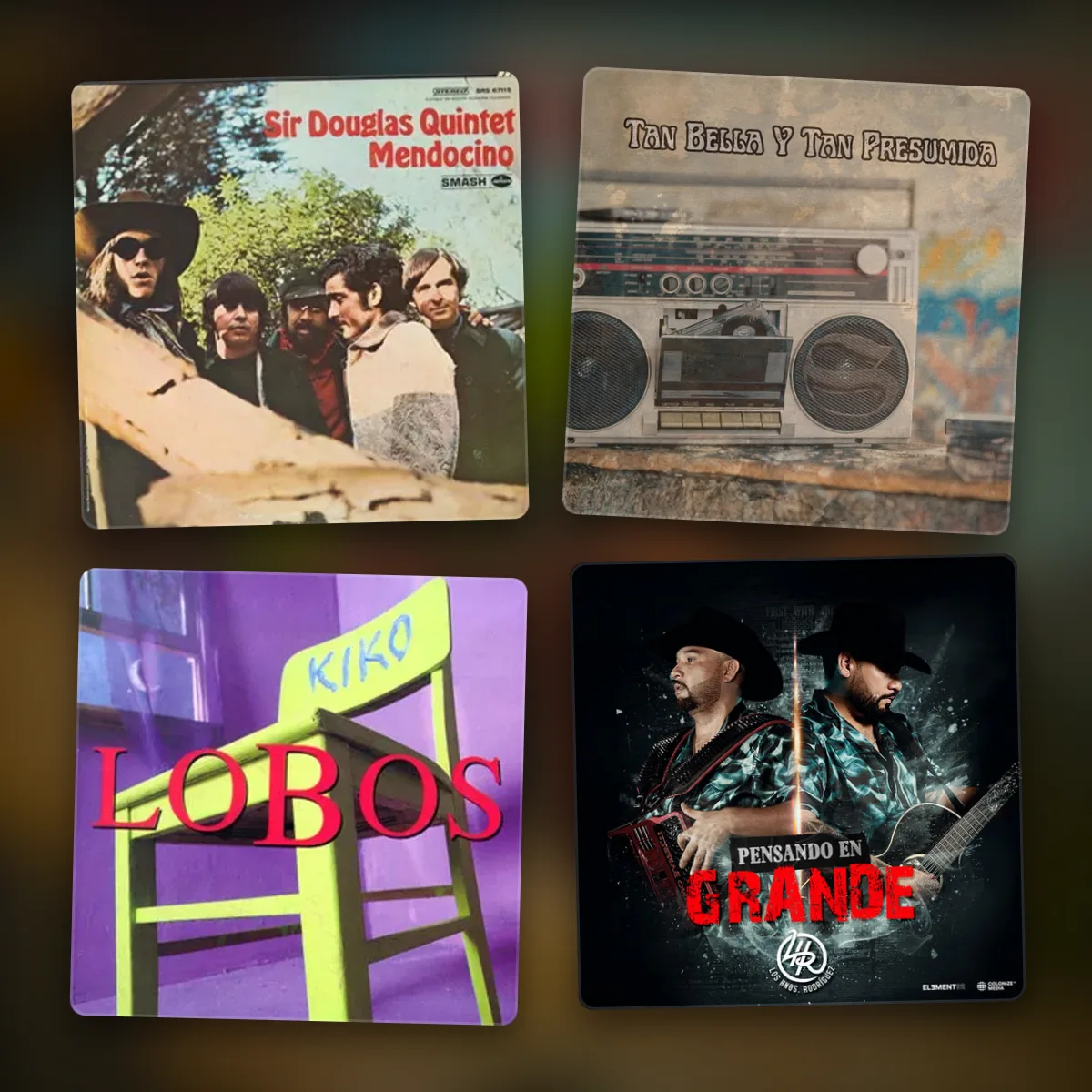
Description
Cachaca, also spelled kachaka or kchaka, is a Paraguayan style of cumbia distinguished by a comparatively slow pace, a simple, repeating rhythmic pattern and an emphasis on melody. Its cumbia pulse is often paired with romantic, heartbroken or otherwise unhappy lyrics, though songs can also address social conditions, patriotism and other subjects.
A typical ensemble combines electric guitar and bass with drums, keyboard or synthesizer, and accordion; saxophone may also appear. Keyboard solos are common, and covers form part of the repertoire.
Based on: Wikipedia, Rate Your Music
More on: MusicBrainz, Wikidata
History
Beginnings
Cachaca emerged in Paraguay in the late 1970s and early 1980s. It grew from Colombian and Mexican cumbia and grupera music, among other influences. Mexican grupero performers known for cumbia ballads, including Mandingo and Grupo Bryndis, helped shape its melodic and romantic character.
Growth and circulation
The style flourished during the 1990s. By the 2000s, Paraguayan groups included Grupo Show Madrigal and Los Roller's. Cachaca also found listeners in Argentina and Bolivia, particularly in rural and lower-income communities. Paraguayan migration and local radio helped carry the music into Argentina, where groups including Refugio de Amor and Los Ponys emerged in Buenos Aires Province.
A distinctive sound
Lalo y Los Descalzos became an influential model for other groups, including Refugio de Amor and Los Ponys. Their approach contributed to a recognizable style of performance and sound within cachaca.
Establish the groove
Build the song around a Colombian cumbia-derived pulse, at a relatively restrained pace. Keep the rhythmic pattern steady and repetitive rather than filling it with frequent variations. An acoustic drum kit can supply the beat; an electric kit or programmed drums are alternatives.
Arrange around the melody
Use electric bass and guitar as the foundation, adding keyboard or synthesizer and accordion as desired. Give the melodic line room to stand out above the repeating rhythm. You could introduce a keyboard solo between vocal sections, or add saxophone for another melodic color.
Write the song
Romance, disappointment and heartbreak offer typical lyrical starting points, though social or patriotic subjects are also possible. Keep the vocal melody clear and memorable. Covers are also part of the style's repertoire; you could arrange an existing song around the same steady groove and melodic instrumentation.

Influenced by