
Description
Brumbeat was the collective name for the 1960s beat-music scene in Birmingham and the surrounding West Midlands of England. It brought together groups from a working-class industrial region rather than defining a separate musical style.
The scene had no single, uniform sound. Its groups played beat music with considerable variety, and many drew more strongly on blues than their counterparts in Liverpool’s Merseybeat scene. The name itself linked Birmingham’s scene to Merseybeat, while serving as a promotional label for local bands.
Based on: Rate Your Music
History
A name for a regional scene
Brumbeat emerged in the Birmingham area during the 1960s. Producer Norrie Paramor coined and promoted the name for Birmingham beat groups he had signed to EMI Records. Modelled on the name Merseybeat, it used “Brum”, a nickname for Birmingham. The scene was at its height around 1964–1965, when thousands of groups were active across the region.
Records and groups
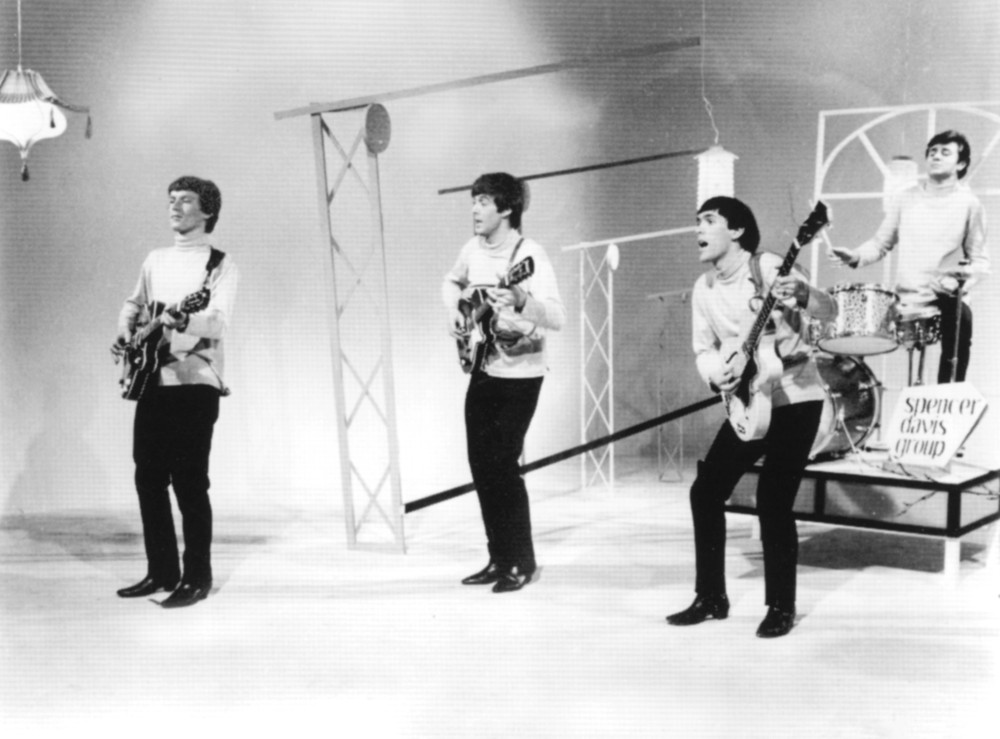
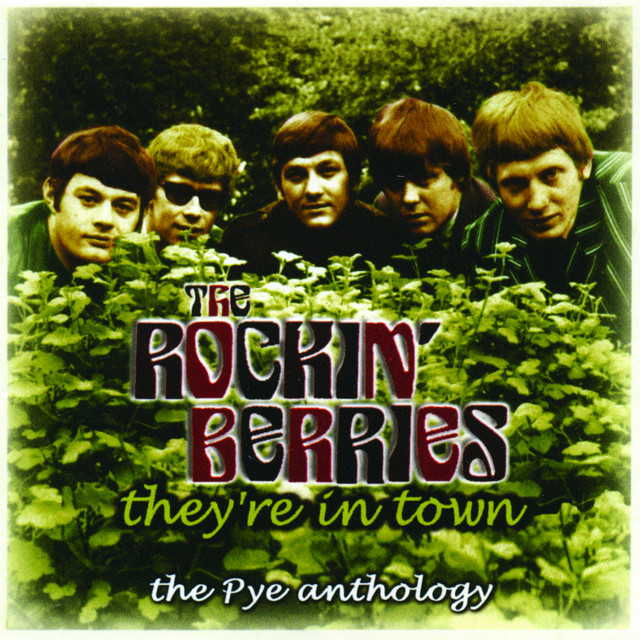
The Applejacks became the first Brumbeat act to reach the UK singles Top Ten with “Tell Me When” / “Baby Jane” in early 1964. Later that year, The Moody Blues achieved an international number-one hit with “Go Now!” / “It’s Easy Child”. Other prominent groups included The Spencer Davis Group, The Move, The Idle Race and The Rockin’ Berries. A compilation titled Brum Beat appeared in 1964.
Later paths and legacy
The scene did not have a documented single ending; its musicians followed different paths. The Moody Blues went on to become pioneers of progressive rock. The scene’s engagement with blues also contributed to the beginnings of heavy metal: in the late 1960s, Black Sabbath played on the Brumbeat circuit as Earth, a blues and rock-and-roll covers band. The retrospective compilation Brumbeat - The Story of the 60s Midlands Sound appeared in 2006.
Begin with beat music
Make a band performance the centre of the arrangement. You could build a song around a strong rhythmic pulse, guitars, bass, drums and a direct vocal, using the interplay between the instruments to give it momentum.
Bring in blues
Many Brumbeat groups drew heavily on blues. Try a blues-derived riff, a call-and-response exchange between voice and guitar, or an expressive vocal phrase within a beat-song arrangement. Rock-and-roll covers can also be a starting point for a performance in the spirit of the scene.
Leave room for variety
Brumbeat was a scene, not a single prescribed sound. Rather than trying to reproduce one fixed formula, you could vary the balance between a concise beat-song approach and a more blues-oriented band sound. Shape the arrangement around the character of the song and the musicians playing it.


Best playlists
Influenced by

Has influenced