Your digging level
Description
Brega saudade is a nostalgic, romantic branch of Brazilian brega that foregrounds saudade—the bittersweet feeling of longing and remembrance. It favors lyrical themes of lost love, separation, apology, and idealized memories, delivered with highly emotive vocals and sing‑along choruses.
Musically, it blends bolero‑like ballad rhythms with straightforward 4/4 Brazilian pop backbeats, simple and memorable melodies, and harmonies rooted in classic I–vi–IV–V or I–V–vi–IV progressions. Arrangements often feature electric guitar arpeggios, string pads or organs, prominent bass lines, and drum machines, with studio gloss that can range from lo‑fi to lush. The result is danceable yet sentimental music aimed at social dances, radio, and jukebox appeal across Brazil’s North and Northeast.
History
Brega saudade emerged in Brazil during the 1970s as a romantic, memory‑suffused current within brega. It drew on earlier Brazilian seresta traditions and Latin bolero balladry, while absorbing the harmonic simplicity and youth‑pop polish of the iê‑iê‑iê era. AM radio, jukeboxes, and local dances across the North and Northeast (notably Pernambuco, Rio Grande do Norte, and Pará) became the core circuits where these sentimental songs flourished.
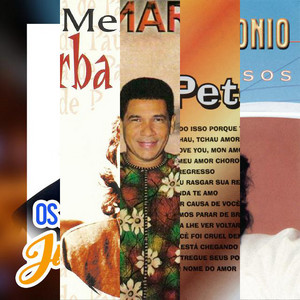
Through the late 1970s and 1980s, the style consolidated its signatures: mid‑tempo grooves, melodramatic vocals, and instantly hummable choruses about heartbreak and yearning. Independent labels and regional studios supported prolific catalogues, while artists crafted repertoire that fit radio “programas de saudade”—shows dedicated to nostalgic favorites—cementing the connection between brega and collective memory.
While widely embraced by working‑class audiences, the genre was often dismissed by cultural elites. Nevertheless, it developed a robust, geographically diverse scene. Dance halls and neighborhood parties made brega saudade a social soundtrack—music to both dance and reminisce to—strengthening its association with everyday love stories and affective memory.
From the 1990s onward, compilation CDs, radio retrospectives, and later streaming playlists reintroduced classic recordings to new listeners. The melodic DNA of brega saudade fed into newer popular styles—both acoustic and electronic—across Brazil. Today, the genre circulates via nostalgia‑driven radio blocks, reissues, and digital platforms, where its timeless choruses continue to inspire reinterpretations and DJ edits.



Best playlists