Your digging level

For this genre
0/8
🏆
Sign in, then listen to this genre to level up

Description

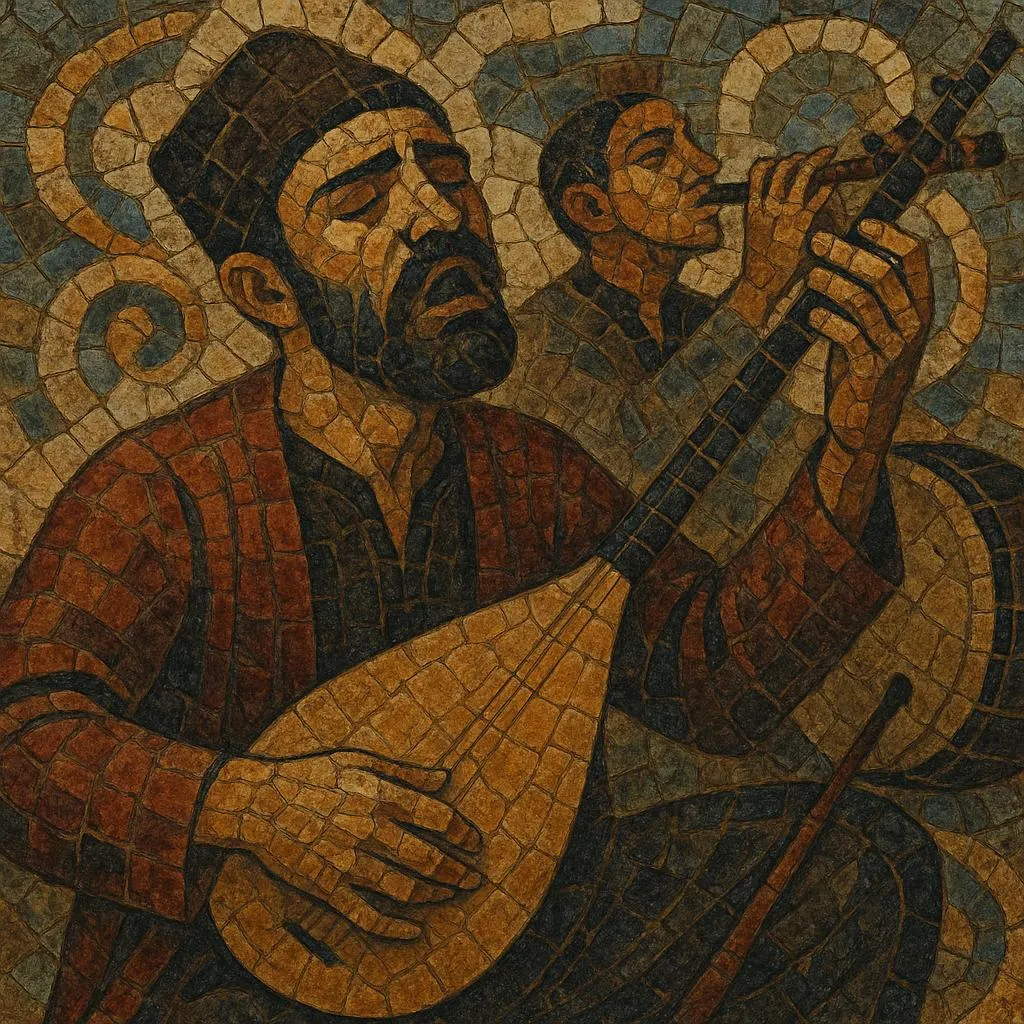
Bozlak is a lament-driven Central Anatolian style of Turkish folk song characterized by a powerful, melismatic vocal line that often starts on a piercingly high pitch and resolves downward to a low cadence. It is closely associated with the Abdallar (itinerant musician) tradition around Kırşehir, Yozgat, and Keskin.

Performances are typically accompanied by the long‑necked bağlama (saz), and, in outdoor or ceremonial contexts, by davul (bass drum) and zurna (shawm). The singing employs makam-informed intonation, expressive microtonal bends, and wide leaps, most commonly delivered in free rhythm (uzun hava). Lyrical themes are intensely melancholic—separation, love, longing, exile (gurbet), fate, and honor—voiced with an open-throated, cry-like projection (bozlamak).

Although rooted in older oral traditions, bozlak became widely documented in the 20th century through master performers who codified its melodic turns, ornaments, and narrative delivery.


Sources: Spotify, Wikipedia, Discogs, RYM, MB, user feedback and other online sources

History

Origins and Context

Bozlak emerged within Central Anatolia’s Abdallar (itinerant musician) culture, where bağlama-accompanied singers shaped local uzun hava (free-rhythm) practices into a distinct, declamatory lament style. Its modal language reflects the broader Turkish makam system, while its vocal attack—often a high, piercing onset—became a signature expressive hallmark.

19th–Early 20th Century Roots

By the 1800s, bozlak texts and tunes circulated orally across Kırşehir, Yozgat, Keskin (Kırıkkale), and neighboring regions. Poet‑ashik traditions (e.g., Dadaloğlu’s Avşar narratives) provided lyrics and imagery that singers adapted into bozlak delivery. Early local masters transmitted technique through apprenticeship rather than notation.

Mid–Late 20th Century Canon

The style entered broader Turkish consciousness through field collectors and radio (TRT) broadcasts. Master singers and bağlama players from the Kırşehir–Keskin axis recorded emblematic versions that defined bozlak’s melodic contours, ornaments, and performance rhetoric. These artists preserved regional variants while standardizing recognizable openings, cadences, and poetic meters.

Contemporary Practice and Legacy

Today, bozlak remains a touchstone of Central Anatolian identity and a conservatory reference for Turkish folk voice. Its cry‑like projection, modal slides, and free‑rhythmic poise have influenced urban styles and modern arrangements, from concert bağlama settings to jazz and rock fusions, while village and family lineages continue to teach traditional delivery.

How to make a track in this genre

Instruments and Setup
•   Lead voice with a long‑necked bağlama (saz) is essential; use a thin plectrum and bright, ringing timbre. •   For outdoor/ceremonial color, add davul (bass drum) and zurna (shawm), but keep them understated so the voice remains central.
Melody, Mode, and Ornament
•   Choose a makam palette common to Central Anatolia (e.g., Hüseynî, Uşşak, or related folk modal pathways). Prioritize seyir (melodic route) that ascends early, peaks, then descends. •   Start the phrase with a forceful, high-pitched onset and conclude low; this arch is a stylistic fingerprint of bozlak. •   Employ microtonal inflections, portamento slides, mordents, and appoggiaturas. Sustain long tones and resolve with expressive, descending cadences.
Rhythm and Form
•   Begin in free rhythm (uzun hava). Let natural speech stress and poetic meter guide timing; avoid metronomic pulse initially. •   If percussion/zurna join, introduce a gentle pulse later (often 2/4, 4/4, or asymmetrical aksak when appropriate), but never at the expense of vocal rubato.
Text and Delivery
•   Write verses on themes of separation, lost love, exile (gurbet), destiny, and honor; use vivid landscape and kinship imagery. •   Project with an open-throated, cry-like timbre (bozlamak). Shape phrases with dramatic dynamic swells and marked textual declamation.
Arrangement Tips
•   Structure: instrumental taksim (bağlama prelude) → vocal uzun hava → optional rhythmic coda. •   Keep textures sparse; spotlight voice and melodic contour. Double the melody lightly on bağlama; avoid dense harmonization.
Common Pitfalls
•   Over-quantizing free rhythm or smoothing away microtonal slides undermines the idiom. •   Excessive accompaniment volume masks the essential vocal narrative.

Top tracks

Locked
Share your favorite track to unlock other users’ top tracks

Upcoming concerts

in this genre
Influenced by
Has influenced

Download our mobile app

Get the Melodigging app and start digging for new genres on the go
© 2026 Melodigging
Melodding was created as a tribute to Every Noise at Once, which inspired us to help curious minds keep digging into music's ever-evolving genres.
Buy me a coffee for Melodigging