Your digging level
Description
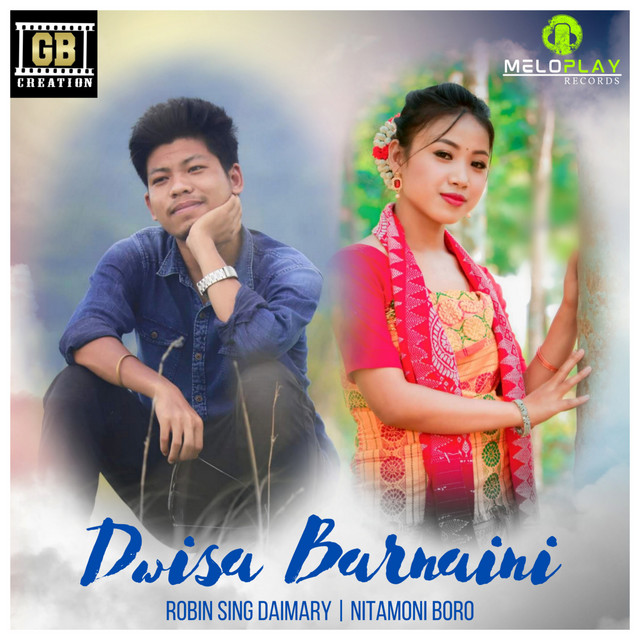
Bodo pop is contemporary popular music performed in the Bodo language by the Bodo (Boro) people of Assam, India. Emerging from a mix of folk-rooted melody and pan-Indian pop production, it blends catchy hooks, dance‑friendly beats, and intimate lyrical themes with regional vocal stylings.
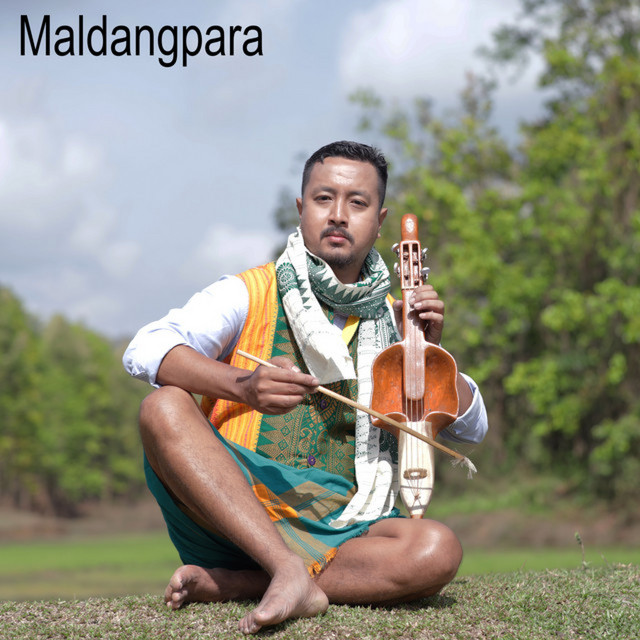
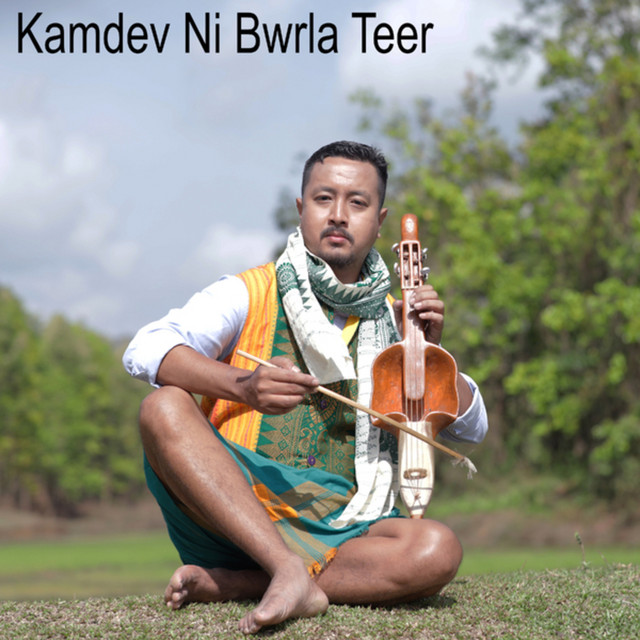
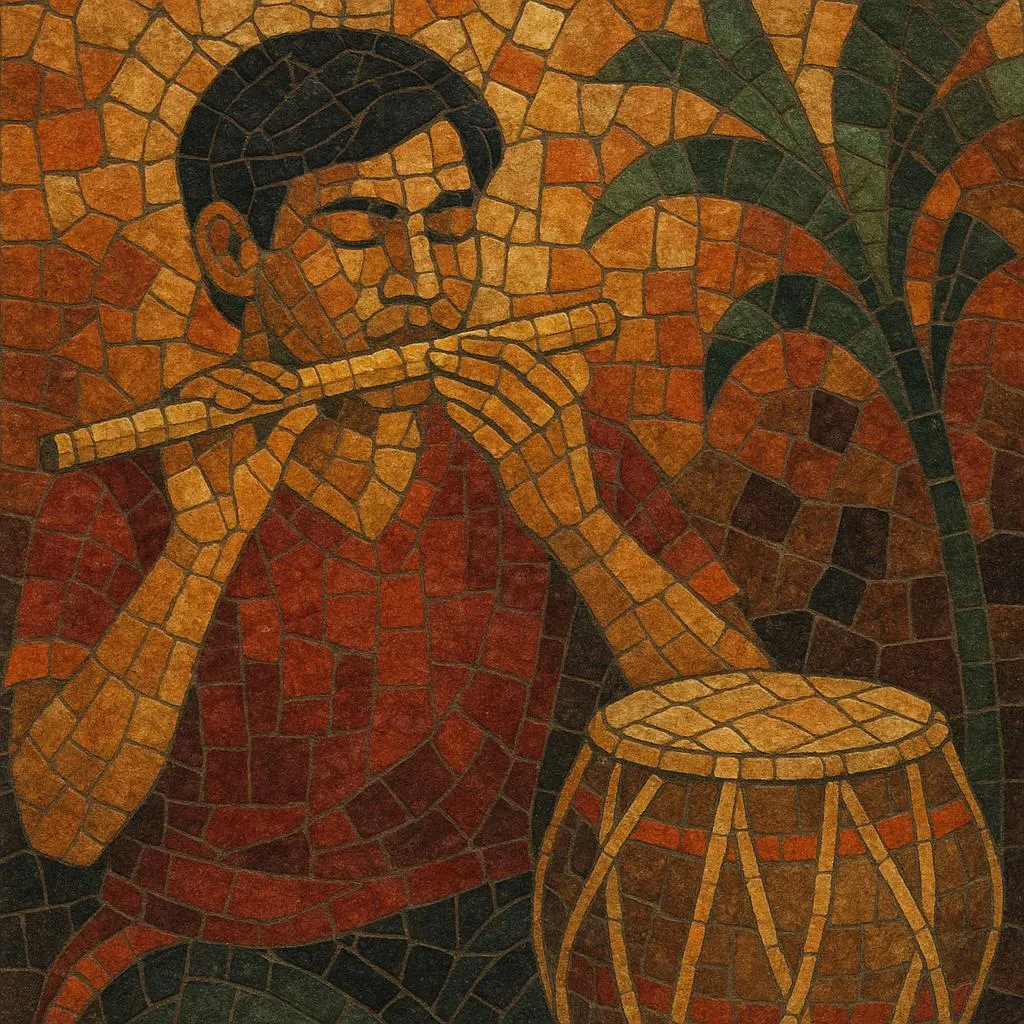
While many tracks draw on electronic pop and Bollywood/filmi aesthetics, Bodo pop often carries sonic DNA from local traditions—most clearly in melodic contours and occasional use (or sampling) of instruments like the kham (drum), siphung (bamboo flute), and serja (bowed lute). The result is a localized but modern sound that thrives on VCD-era cottage studios and, increasingly, on YouTube and social media platforms.
History
Bodo pop coalesced in the 1990s, when cassette culture and local recording outfits across Northeast India enabled small studios to reach community audiences. Singers and troupes who were active in festivals and cultural programs began to produce studio songs with simpler, hook‑led arrangements, drawing influence from Indian pop and filmi production styles.
In the 2000s, affordable VCD/DVD production and regional TV slots widened the circulation of Bodo‑language music videos. Producers embraced more electronic instrumentation—synth lines, drum machines, and sampled percussion—while preserving local melodic turns. This period also saw tighter song structures and a shift toward themes of romance, youth culture, and regional pride.
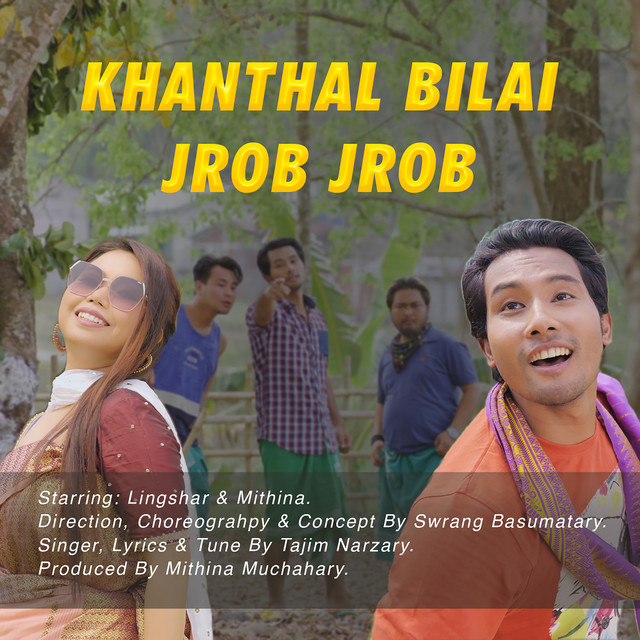
From the 2010s onward, Bodo pop benefitted from the democratization of distribution via YouTube, Facebook, and short‑video apps. Independent singers and producer‑engineers emerged from hubs such as Kokrajhar, Udalguri, Chirang, and Baksa, releasing singles and videos directly to audiences. Contemporary tracks frequently fuse EDM drops, electropop textures, and reggaeton/dancehall grooves with Bodo lyrics, while music videos foreground local fashion, dance, and landscapes.
Bodo pop functions both as entertainment and as a vehicle for language and identity. It often intersects with film songs (Bodo cinema), wedding/celebration repertoires, and festival performances (e.g., Bwisagu), helping preserve and popularize Bodo language in modern, youth‑oriented contexts.