Your digging level

For this genre
0/8
🏆
Sign in, then listen to this genre to level up

Description

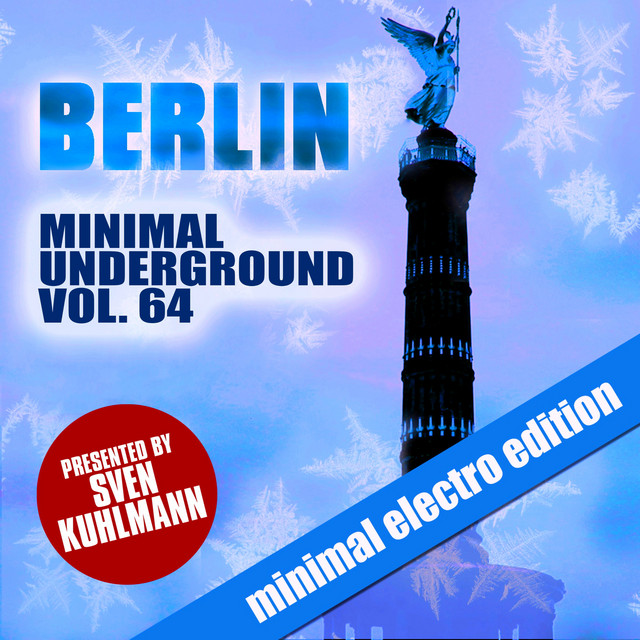
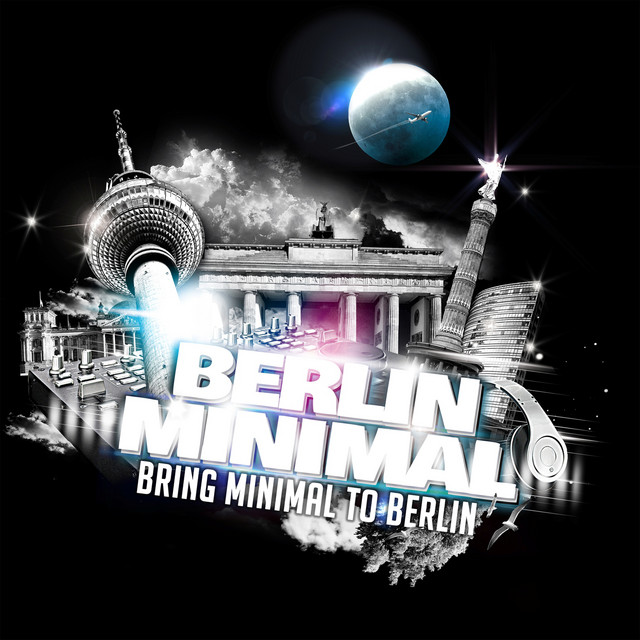
Berlin minimal techno is a stripped‑down, hypnotic branch of techno that crystallized in Berlin’s club culture in the early 2000s. It emphasizes reduction: few musical elements, precision‑engineered sound design, long blends, and incremental change over time.

The style is defined by a dry, punchy 4/4 kick at club tempos (typically 124–130 BPM), sparse percussion, micro‑edits, and subtly modulated loops. Bass tends to be focused and sub‑heavy, while textures draw on clicks, hiss, filtered noise, and dub‑style delays used with restraint. Rather than big breakdowns, the drama comes from timbral movement, automation, and space, yielding a functional, immersive, and often nocturnal sound built for long DJ sets.


Sources: Spotify, Wikipedia, Discogs, RYM, MB, user feedback and other online sources

History

Origins (late 1990s–early 2000s)

Berlin’s post‑reunification club ecosystem (Tresor, WMF, later Berghain/Panorama Bar and Watergate) incubated a techno sound that sought intensity through subtraction. While Detroit’s Robert Hood had articulated minimalist principles in the mid‑1990s, Berlin’s producers distilled them into a locally distinctive approach: ultra‑lean drum programming, dub‑steeped spatial mixing (echoes of Basic Channel’s Berlin dub‑techno), and meticulous attention to timbre and groove.

Labels and collectives such as Perlon, Minus, BPitch Control, and later Ostgut Ton connected DJs, producers, and pressing/distribution networks. Portable production setups and an influx of international artists relocating to Berlin further concentrated talent and ideas, establishing a feedback loop between dance floor and studio.

2000s Boom and Global Reach

By the mid‑2000s the “mnml” aesthetic had become a global lingua franca in techno. The music’s DJ‑friendly architecture—long phrases, subtle transitions, and tonally economical parts—suited marathon sets and after‑hours culture. Berlin minimal techno differentiated itself from Cologne’s microhouse (more house‑derived and melodic) by leaning harder into drum focus, reduction, and darker palettes, while still sharing a fondness for microsound and “clicks & cuts” techniques.

Consolidation and Legacy

As the 2010s unfolded, strands of Berlin minimal fed into darker, rawer, and more hypnotic techno currents. The core practices—precision sound design, dub‑wise space management, and patient, loop‑driven form—remain embedded in contemporary techno production and DJ craft, continuing to shape how long‑form club music is made and experienced.

How to make a track in this genre

Core Rhythm and Tempo
•   Write at 124–130 BPM with a steady 4/4 kick. Keep swing minimal but meaningful—tiny timing offsets on hats and claps can animate the grid without breaking its discipline. •   Use a tight, dry kick (short decay), a crisp off‑beat hat, and a restrained clap/snare. Add sparse percussive elements (rimshots, clicks, shakers) only where they serve the groove.
Sound Design and Timbre
•   Prioritize subtractive, FM, or wavetable synths with simple waves (sine/tri/square) and careful filter modulations. Aim for evolving but subtle timbral changes. •   Design a focused sub‑bass (sine or lightly distorted) that locks with the kick; avoid muddy overlaps via side‑chain compression and high‑pass management on non‑bass parts. •   Explore microsound: short clicks, hiss bursts, vinyl crackle, and tiny sampled fragments, sculpted with envelopes and gates to become rhythmic details rather than foreground hooks.
Space and Mixing (Dub‑wise Restraint)
•   Use delays and reverbs sparingly but intentionally—short, tempo‑synced delays and compact rooms/plates. Automate send levels and feedback to create motion without washing out the mix. •   Carve space meticulously: high‑pass non‑bass elements, keep transients clean, and leave headroom so the groove “breathes.”
Harmony and Form
•   Keep harmony minimal (single‑note ostinati, fifths, or sparse minor triads). Let timbre and dynamics carry development rather than chord changes. •   Structure in long 16–32 bar phrases. Introduce or withdraw one element at a time; use filter sweeps, envelope changes, or delay send flickers as your primary transitions.
Arrangement for the Dance Floor
•   Build extended intros/outros with stable drums for mixing; avoid sudden drops. Reserve any larger energy lift for a late, modest peak—then return to the pocket. •   Periodically mute the kick for a bar or two or thin the percussion to refresh attention without breaking hypnosis.
Tools and Techniques
•   Classic drum voices (TR‑808/909 or equivalents), a transparent bus compressor, and a few high‑quality delay/reverb units are sufficient. •   Embrace iterative A/B loops—refine micro‑timing, envelope times, and EQ until the loop feels inexorable. What you remove is as important as what you add.

Top tracks

Locked
Share your favorite track to unlock other users’ top tracks

Upcoming concerts

in this genre
Influenced by
Has influenced

Download our mobile app

Get the Melodigging app and start digging for new genres on the go
© 2026 Melodigging
Melodding was created as a tribute to Every Noise at Once, which inspired us to help curious minds keep digging into music's ever-evolving genres.
Buy me a coffee for Melodigging