Description
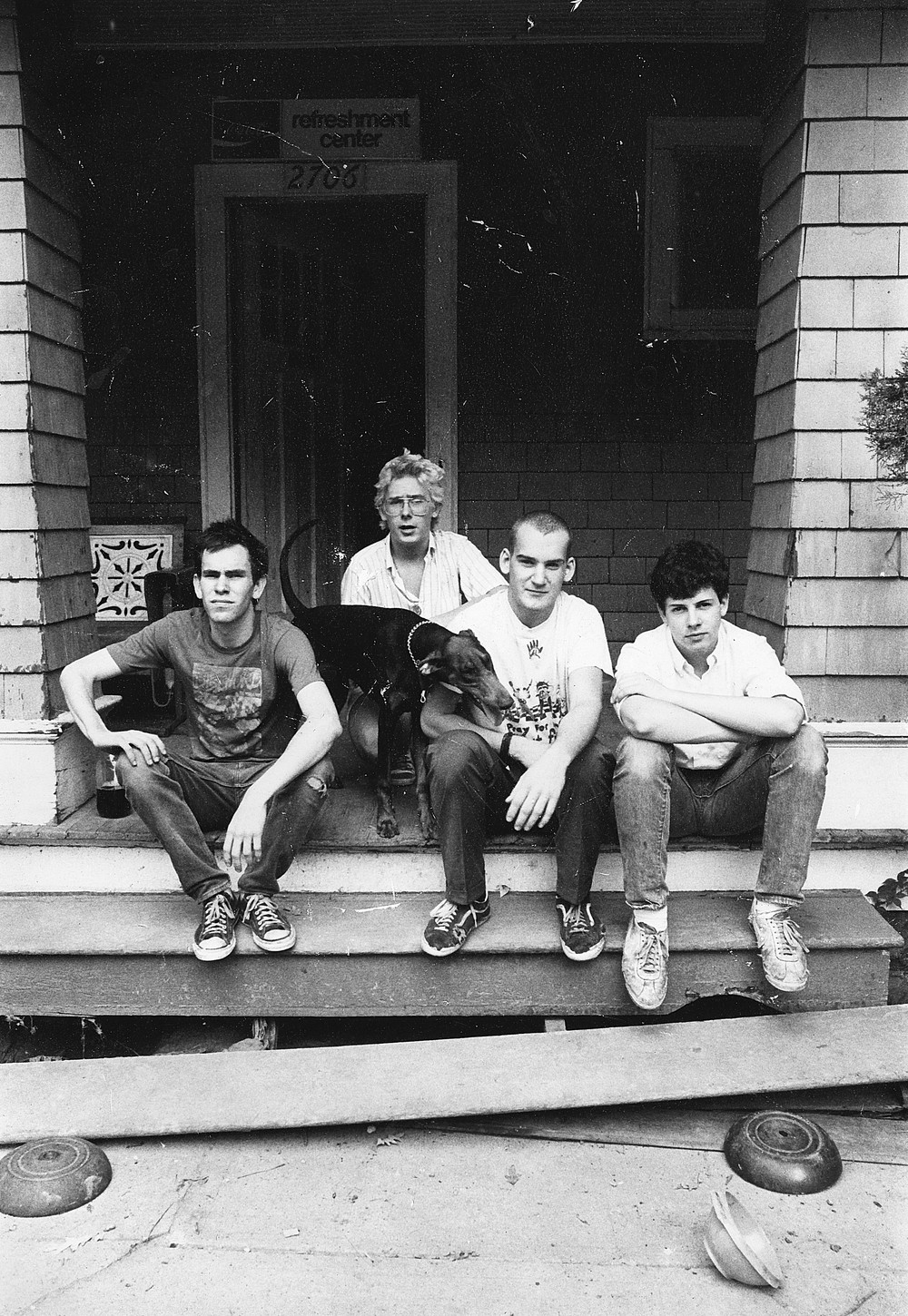
Bent edge, also called curved edge, was a hardcore punk subculture that emerged in the Washington, DC, scene as a counter-movement to straight edge. Its participants objected to what they saw as rigidity and intolerance in the developing straight edge scene, and some organized punk shows centered on alcohol and drug use as an opposing statement.
The music belonged to hardcore punk rather than a separate bent-edge style. What distinguished bent edge was its stance within the punk community and its relationship to straight edge, not a documented set of musical rules.
Sources: Wikipedia
History
Formation
Bent edge began among members of the Washington, DC, hardcore scene who opposed the developing straight edge movement. They put on shows involving alcohol and drugs as a deliberate contrast to straight edge.
Beyond Washington
The idea spread across the United States. By 1982, people identifying themselves as bent or curved edge were approaching Minor Threat on tour. Black Market Baby was associated with the bent-edge scene.
A divided punk community
Bent edge also formed part of a broader anti-Dischord sentiment within punk. In the scene’s early period, straight edge and non-straight-edge people mixed freely, including around the Dischord Records house. As relations became less tolerant, opposition to straight edge gained momentum.
Start with hardcore punk
Bent edge was a scene within hardcore punk, not a distinct musical formula. To evoke its spirit, begin with a direct, forceful punk band arrangement rather than trying to reproduce supposed bent-edge-specific techniques.
Build the performance
A practical hardcore punk approach is to write compact guitar riffs, use bass and drums to reinforce their rhythmic attack, and deliver vocals with urgency. You could favor a raw, energetic performance over an elaborate arrangement. Let changes in the riff, drum pattern or vocal delivery create contrast while keeping the song focused.
Capture the attitude
The scene defined itself through opposition to straight edge. If writing lyrics inspired by that context, you could use a confrontational viewpoint or a sense of resistance to imposed rules; there is no need to treat any particular subject or behavior as a musical requirement.