


Description
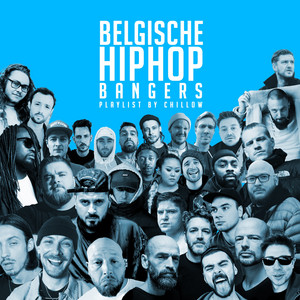
Belgian hip hop is a national scene rather than a single musical style. It encompasses techno-inflected hip hop, commercially oriented pop rap and an underground scene that developed in reaction to pop acts. Its artists have included rappers with African and Italian backgrounds.
Language is one of the scene’s distinguishing features: French is used by acts from Wallonia, while Flemish groups have rapped in Dutch and regional dialects. Belgian rappers have found audiences both at home and abroad.
Based on: Wikipedia
More on: Every Noise at Once, Wikidata
History
Early scene
Belgian hip hop began to take shape in the late 1980s. Among its early acts was Technotronic, a U.S.-based techno and hip-hop group featuring the Congolese MC Ya Kid K. The group reached an international audience with songs including “Pump up the Jam” and “Shake That Body.”
Pop and underground
Benny B became a major Belgian pop rapper with a commercial sound. A European Music Office report describes the success of such pop acts as helping provoke a backlash and the formation of an underground hip-hop scene.
Regional scenes and later success
In French-speaking Wallonia, Starflam became a prominent name. In Flanders, groups including 't Hof van Commerce, Krapoel In Axe, St Andries MC's and ABN used Dutch and regional dialects. Later Belgian artists including Coely, Roméo Elvis and Damso achieved commercial success in Belgium and abroad; Stikstof, Woodie Smalls, L'Or Du Commun and Isha are among the other acts associated with the scene.
Choose a direction
Treat the scene as a range of approaches, not a fixed sound. You could make an accessible pop-rap track, explore a techno and hip-hop combination, or work toward an underground rap approach. Decide whether French, Dutch or a regional dialect best suits the voice and audience you have in mind.
Build the track
A common hip-hop approach is to start with a drum groove and bass line, then shape the instrumental around the rapper’s rhythm. For a pop-oriented track, you could contrast rap verses with a recurring hook. For a techno-influenced direction, experiment with electronic percussion and synthesizer patterns while keeping space for the vocal.
Develop the performance
Write lines that sit naturally in the chosen language or dialect. Try different flows over the beat, then arrange the vocal and instrumental so that the words remain clear and the main musical idea is easy to follow.



Best playlists

Influenced by

