

Description
Driving electronic beats, rolling synth bass and bright, arpeggiated melodies give Belgian dance much of its energy. The name is mapped by Every Noise at Once and used for a Spotify playlist, but has scant written coverage. It groups Belgian artists working across dance music, from vocal dance-pop and trance to darker, more stripped-back techno.
Most tracks ride a fast, steady four-on-the-floor kick, with claps or snares and crisp offbeat hi-hats. Synth pads and broad, dramatic chords fill out the sound, while repeating sequences keep the momentum going. Many productions are polished and punchy, using spacious reverb and delay; some instrumentals are drier, more mechanical and built around a repeated synth figure rather than a changing chord progression.
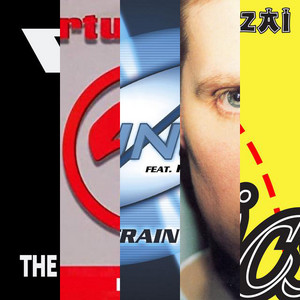
Vocals, when present, often rise into high, anthemic pop hooks, sometimes with layered harmonies or a contrasting lower voice. English is common, though Dutch can also be heard. The mood ranges from euphoric and uplifting to hypnotic and intense. The playlist includes tracks by The Mackenzie and Jessy, Fiocco, Virtual Zone and Milk Inc., alongside instrumental club music by artists such as Yves Deruyter and Cherry Moon Trax.
Based on: Every Noise at Once, Spotify's genre tags and playlist
Build the groove
Start with a fast, steady four-on-the-floor kick, adding a clap or snare backbeat and crisp offbeat hi-hats. Use a pulsing or rolling synth bassline to keep the low end moving, and give the mix a firm, punchy foundation.
Shape the synths
Draw on trance for active arpeggios, broad pads and dramatic chord changes. Automate filters and add noise risers to build transitions. For a more techno-oriented track, keep the harmony spare and develop a repeating synth figure through changes in tone and texture.
Add a hook and finish
Try a high-register sung melody with layered doubles or harmonies, or leave the track instrumental and let the synth sequence carry the hook. Use reverb and delay for a wide, anthemic sound; a drier mix can bring out the harder, more mechanical side.



Best playlists

Influenced by


