Your digging level

For this genre
0/8
🏆
Sign in, then listen to this genre to level up

Description

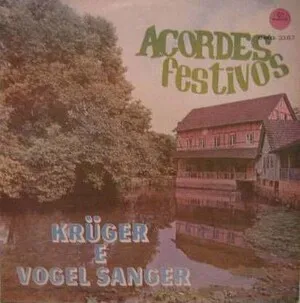
Bandinha is a popular, dance‑forward style from the Southern region of Brazil, especially Rio Grande do Sul, Santa Catarina, and Paraná.

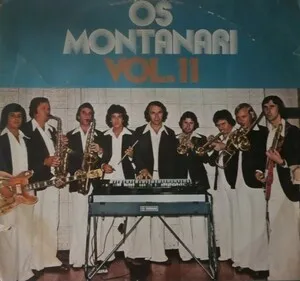
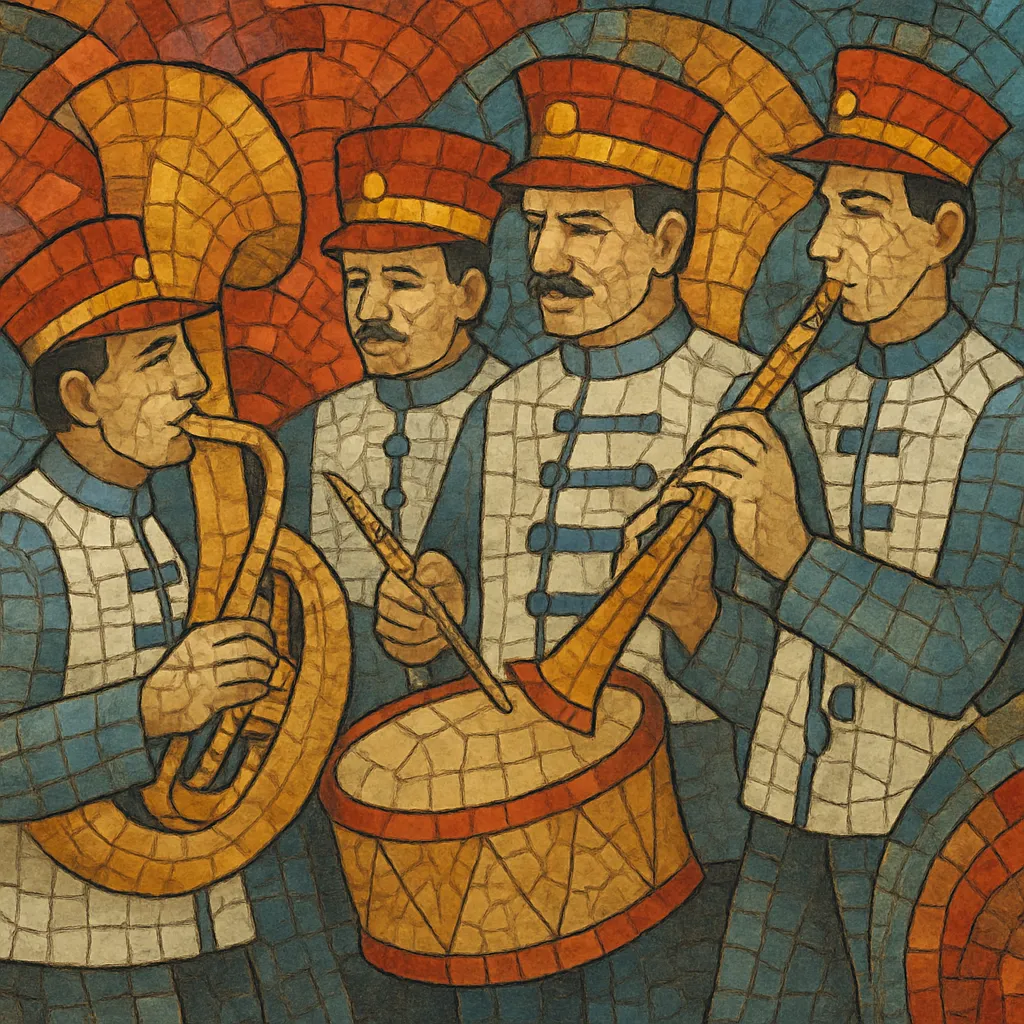
It blends Germanic brass‑band traditions (polkas, waltzes, schottische) brought by immigrant communities with the romantic lyricism and harmonies of Sertanejo Romântico and the melodramatic, catchy hooks of Brega. Typical bandinhas are small ensembles with brass, reeds, accordion, bass/tuba, and drum kit (often augmented by keyboards), delivering buoyant "oom‑pah" rhythms, sing‑along choruses, and light‑hearted or romantic lyrics.

Today it thrives at baile (dance) parties and regional festivals (including Oktoberfest celebrations), where its upbeat grooves and upbeat call‑and‑response interjections keep crowds on their feet.


Sources: Spotify, Wikipedia, Discogs, RYM, MB, user feedback and other online sources

History

Roots (late 19th–mid 20th century)

German, Austrian, and Italian immigration to Brazil’s Southern states seeded a strong brass‑band (Blasmusik) culture. Community bands and festival groups popularized European social‑dance forms—polka (2/4), waltz (3/4), and schottische—in town squares, clubs, and beer halls. These idioms intermingled with local Brazilian tastes and instrumentation (notably accordion), laying the foundation for what would later be called bandinha.

Consolidation as a popular dance style (1970s–1990s)

From the 1970s onward, baile circuits and regional radio fostered a more codified, pop‑leaning sound. Ensembles tightened arrangements, amplified the rhythm section, and folded in the harmonic sweetness and sentimental themes of Sertanejo Romântico and the hook‑driven immediacy of Brega. Cassette culture and independent labels in the South helped spread the style across Rio Grande do Sul, Santa Catarina, and Paraná, while Oktoberfest‑type events gave it large live audiences.

Modern era and cross‑pollination (2000s–present)

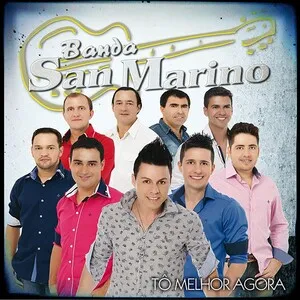
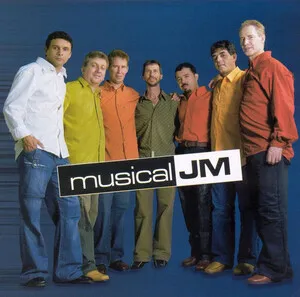
Contemporary bandinhas often add keyboards and modern drum kits to traditional brass/reed cores. The style remains central to regional dance culture and has fed into adjacent Southern Brazilian genres (e.g., the pop‑modern baile aesthetics of Tchê Music), while retaining its trademark "oom‑pah" energy, festive shout‑outs, and romantic storytelling.


How to make a track in this genre

Instrumentation and Ensemble
•   Core: trumpets, trombone, clarinet (or sax), tuba/EB bass or electric bass, accordion, and drum kit. •   Optional: keyboard for pads/brass layers; percussion (woodblock, tamborim) for dance accents.
Rhythm and Groove
•   Polka feel (2/4) with a steady "oom‑pah": tuba/bass on beats, off‑beat chords by accordion/keys/brass; typical tempo 110–140 BPM. •   Waltz numbers (3/4) and schottische pieces provide variety in a set. •   Use tight kick–snare patterns that emphasize downbeats and add festive shout‑outs or crowd cues ("Ei!", handclaps) before chorus returns.
Harmony and Melody
•   Diatonic major keys dominate (I–IV–V), with tasteful secondary dominants (V/V) or quick ii–V–I turns to sweeten cadences. •   Accordion or clarinet often states the main tune; write singable, stepwise melodies with occasional chromatic passing tones. •   Brass counter‑lines and call‑and‑response riffs between trumpet/trombone and reeds enhance the festive texture.
Lyrics and Form
•   Themes: romance (often playful or melodramatic), everyday life, dancing, community festivities, beer‑hall fun. •   Song structure: intro (instrumental hook) → verse → pre‑chorus (optional) → big chorus → short instrumental interlude/solo (accordion/clarinet) → repeat; keep bridges concise.
Arrangement and Production Tips
•   Double the lead melody in octaves (accordion + clarinet/trumpet) for strong hooks. •   Pan brass/reeds for a live "bandstand" image; keep tuba/bass centered and punchy. •   Prioritize clarity in the oom‑pah pattern; sidechain pads/keys lightly to the kick to maintain bounce. •   Insert crowd cues and quick breaks to set up returns of the chorus for dancefloor impact.

Top tracks

Locked
Share your favorite track to unlock other users’ top tracks

Upcoming concerts

in this genre
Influenced by

Download our mobile app

Get the Melodigging app and start digging for new genres on the go
© 2026 Melodigging
Melodding was created as a tribute to Every Noise at Once, which inspired us to help curious minds keep digging into music's ever-evolving genres.
Buy me a coffee for Melodigging