


Your digging level
For this genre
0/8
🏆
Sign in, then listen to this genre to level up
Description
Balkan jazz is a regional umbrella for jazz made in different parts of the Balkan Peninsula, rather than a single national scene or a style with one fixed sound. Its musicians may combine jazz improvisation and originality with elements of Balkan folk music, including music described as “gypsy style.”
Some performances use unusual meters and fast rhythms. The clarinet often has a prominent role in keeping with folk traditions; accordion, drums, bass and electric guitar are also widely used. The music is heard in venues as well as at weddings and large celebrations.
History
A regional umbrella
Balkan jazz brings together jazz from different parts of southeastern Europe. Its relationship to local folk music is one way of understanding the term, although the music can vary across the region.
Musicians and performance
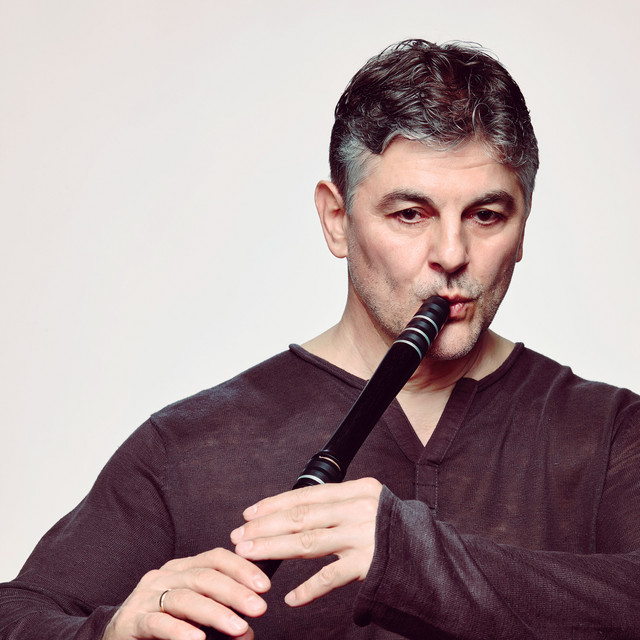
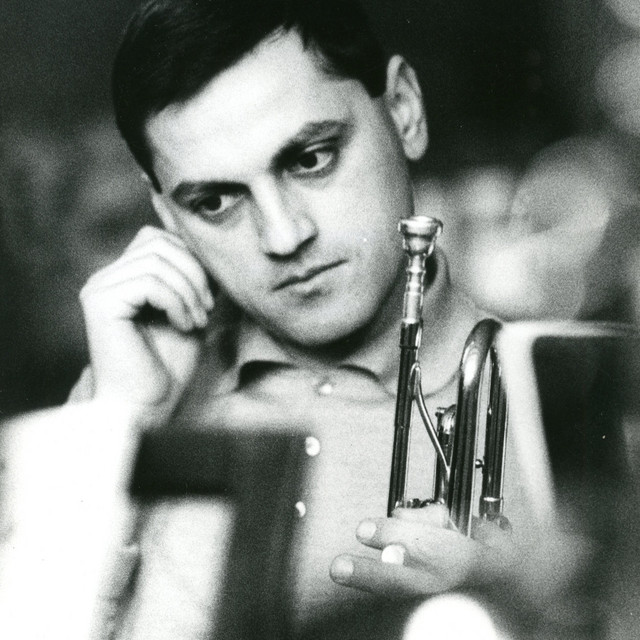
Pioneers of Balkan jazz in Europe include Serbia’s Duško Gojković, Bulgaria’s Milcho Leviev, Martin Lubenov and Anatoly Vapirov, and Romania’s Adrian Gaspar. Alongside performances in venues, Balkan jazz is also played at weddings and other large celebrations.
Build from jazz and folk material
Begin with a musical idea that leaves room for jazz improvisation. You could shape a melody or accompaniment around elements of Balkan folk music, while treating the combination as a starting point rather than a fixed formula.
Arrange the ensemble
Consider giving the clarinet a leading melodic role. Accordion, drums, bass and electric guitar are also possibilities: use them to support the melody, establish a rhythmic foundation and make space for improvised passages.
Explore rhythm and performance
Try an unusual meter or a fast rhythmic passage if it suits the piece; neither needs to be present throughout. A common jazz approach is to state a theme, open sections for improvisation and return to the theme. You could also develop an arrangement that works in the lively setting of a celebration.
Best playlists

Users’ favorites
Tracks
Share your favorite track to see the other users’ ones
Artists
Share your favorite artist to see the other users’ ones
Albums
Share your favorite album to see the other users’ ones
Upcoming concerts
in this genre
Influenced by


Has influenced
No genres found
