Your digging level
Description
Australian garage punk fuses the raw immediacy of 1960s garage rock with the speed, attitude, and DIY spirit of punk, filtered through Australia’s loud, sweaty pub-rock culture.
It emphasizes overdriven guitars, punchy rhythms, shouted or soulful melodically ragged vocals, and short, hook-heavy songs. The sound ranges from primitive, Nuggets-style stompers to tougher, proto-hardcore blasts, with a characteristic dry, mid-forward guitar tone and unfussy, live-sounding production. Lyrically it leans toward everyday realism, sardonic humor, and anti-authoritarian bite, often delivered with distinctly Australian slang and attitude.
History
Australian garage punk coalesced in the mid-to-late 1970s as local bands married American 1960s garage grit and proto‑punk (The Stooges/MC5) with the burgeoning punk explosion and the country’s own high-voltage pub-rock circuit. Groups like Radio Birdman (Sydney) and The Saints (Brisbane) set the template: fast, guitar-forward songs delivered with uncompromising volume and a DIY ethos amid hostile authorities and limited industry support. Independent radio and community venues nurtured a fiercely self-reliant scene.
Through the 1980s, the sound diversified while staying raw and hooky. The Celibate Rifles and Lime Spiders carried a garage revival torch, while The Scientists dragged the music into darker, swampy, noise-tinged territory. A network of indie labels (e.g., Citadel, Au Go Go) and record shops, fanzines, and campus/community radio (3RRR, PBS, 2SER) sustained national circulation. Tours between Sydney, Melbourne, Brisbane, and Perth knitted a nationwide circuit despite geographical distances.
The no-frills power and bar-band ferocity of Australian garage punk informed overseas alternative and grunge movements; bands like Cosmic Psychos and The Scientists were cited by Seattle and Sub Pop–adjacent artists. Domestically, new waves emerged via Melbourne and Sydney DIY hubs, with labels and collectives (e.g., Aarght!, later Anti Fade) fostering scrappy, tape-saturated recordings and energetic live reputations. Eddy Current Suppression Ring’s rise showed the enduring appeal of minimalist, hook-first garage punk.
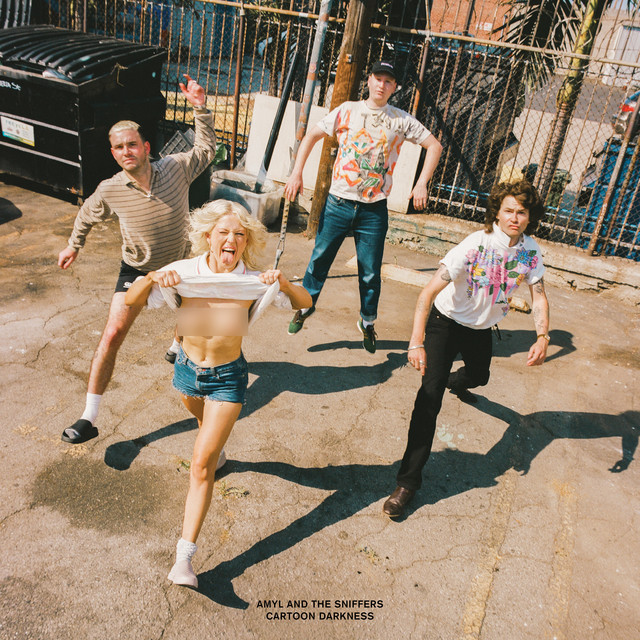
A fresh surge—Amyl and the Sniffers, The Chats, Royal Headache, Civic—reintroduced the style to a global audience, now amplified by streaming, social media, and viral videos. The songs remained short, loud, and catchy, but thematic angles broadened—from deadpan humor and working-class snapshots to soulful melodic turns—while the live show remained the genre’s calling card. Today the style thrives across small venues, festivals, and international tours, still grounded in DIY pragmatism and the electric energy of the Australian pub stage.