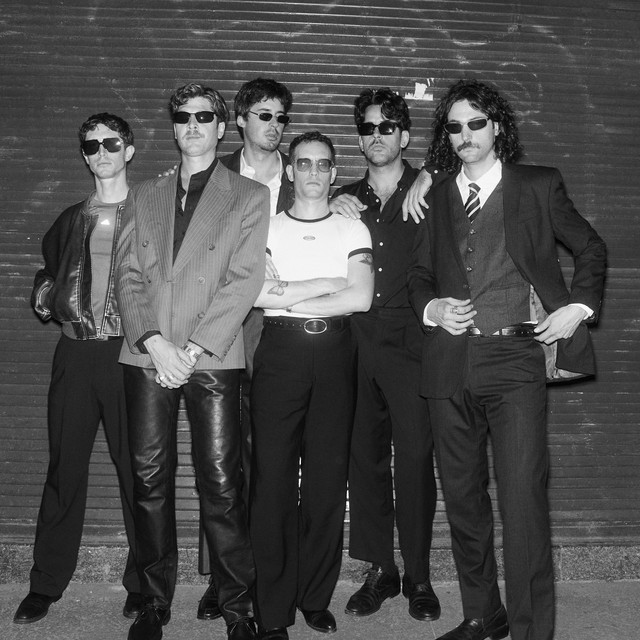
Description
Guitars, Spanish-language singing and a strong band sound run through Argentine alternative rock, from forceful, overdriven rock to dreamy indie pop-rock and acoustic folk-rock. The name is used by Every Noise at Once and Spotify’s “The Sound of Argentine Alternative Rock” playlist, though written discussion of it is scarce.
Much of the music is built around electric guitar, bass and an acoustic drum kit, with a prominent snare backbeat and active hi-hats. Straight-ahead rock rhythms sit alongside syncopated, funk- or reggae-tinged grooves; the pace can be slow and swaying, steady and mid-tempo, or fast and driving. Acoustic strumming also has a place, while keyboards sometimes add organ, piano or synth colour.
Singers move between gritty, emphatic delivery and softer, breathier phrasing. Backing harmonies and doubled voices can give choruses added lift, while melodies range from anthemic hooks to wistful, drawn-out lines. The production is often polished, with reverb, delay or chorus adding space around the guitars and vocals.
The music belongs to the wider field of Argentine rock and is also close to Latin alternative. Its moods range from energetic and passionate to intimate and melancholic. Many of the releases in the playlist are from the mid-to-late 2010s, including music by Marilina Bertoldi, Usted Señalemelo, Mi Amigo Invencible and El Mató a un Policía Motorizado.
Based on: Every Noise at Once, Spotify's genre tags and playlist
Build the band sound
Start with the guitar-led approach of Argentine rock: combine electric bass and a drum kit with a clear snare backbeat and active hi-hats. Use clean rhythmic guitar parts, overdriven chords or melodic lead lines. Acoustic strumming can provide a gentler alternative.
Shape the groove and song
Write straightforward major- or minor-key chord progressions and a memorable Spanish-language vocal melody. Try a steady rock drive or a more syncopated groove with funk or reggae inflections, as part of a broader Latin alternative palette. A slow sway can suit an intimate song; a fast, driving rhythm can support an anthemic chorus.
Arrange and produce
Contrast a forceful lead vocal with softer passages, and add harmonies or double-tracked voices for emphasis. Use piano, organ or synth pads to fill out the harmony, and apply reverb, delay or chorus to give guitars and vocals space without losing the punch of the rhythm section.