Your digging level
Description
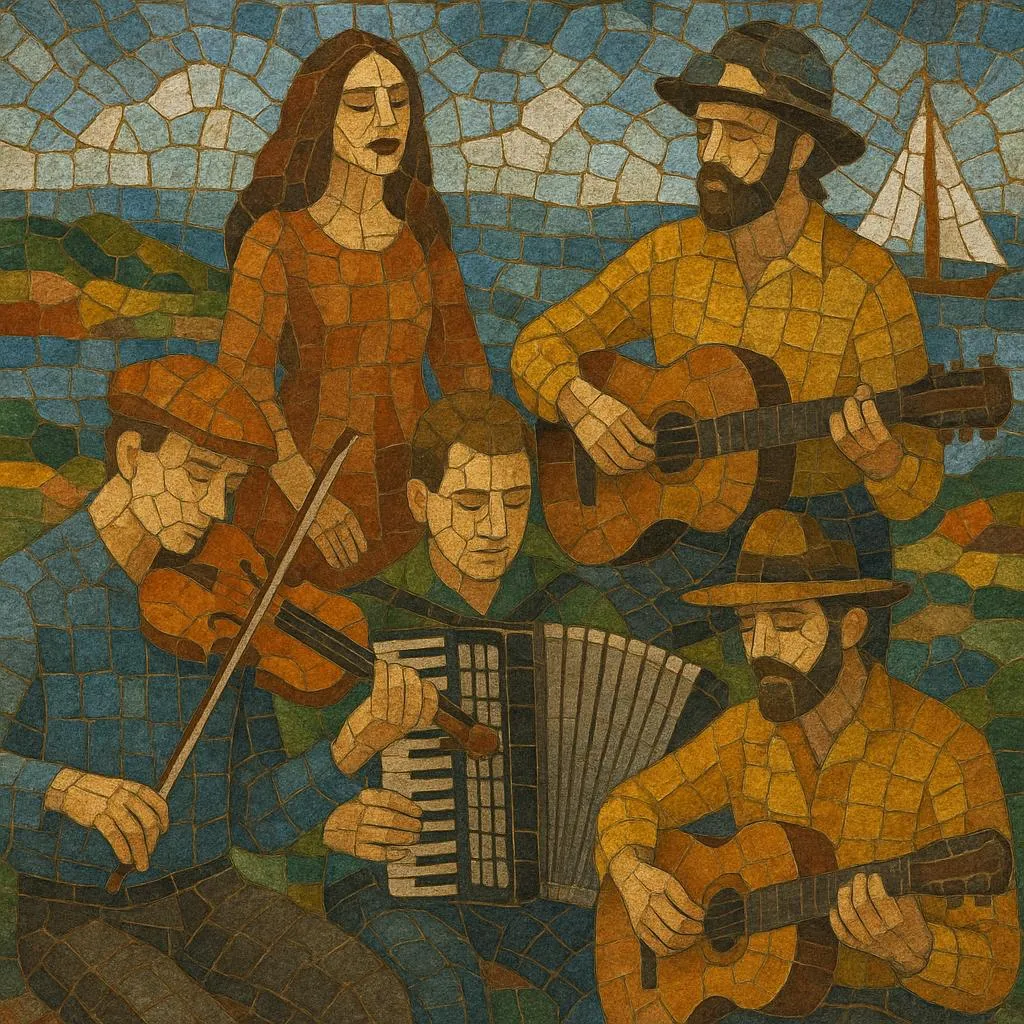
Åländsk musik refers to the musical culture of the Åland Islands, the autonomous, Swedish‑speaking archipelago between Finland and Sweden. It bridges Finland-Swedish folk traditions (fiddle, accordion, dance tunes) with Swedish schlager/dansband aesthetics, church and choral singing, and a small‑but‑active scene spanning jazz, pop, rock and classical.
Public musical life centers on local choirs and bands, community festivities (e.g., Midsummer), and emblematic repertoire such as the regional anthem “Ålänningens sång,” while contemporary activity includes festivals like Åland Sea Jazz and artist projects that draw on the islands’ maritime soundscapes. Recent recordings have even folded in field recordings from the archipelago alongside ambient electronics and strings, underscoring the role of place in the sound.
History
Folk dance music, hymn‑singing, and Swedish‑language song traditions form the historical bedrock of music on Åland. The regional anthem “Ålänningens sång,” first performed in 1922 at a song festival in Mariehamn, became a focal symbol for shared musical identity and is still sung at Midsummer and Åland’s Autonomy Day (9 June).
After World War II, community ensembles—church choirs, wind bands, and folk groups—kept public music‑making central to island life. In the 21st century, curated events such as Åland Sea Jazz have complemented grassroots activity, bringing Nordic and international artists to intimate venues around the archipelago and strengthening the islands’ profile within the broader Finnish and Scandinavian circuits.
Åland’s scene today is eclectic: local jazz and singer‑songwriter traditions sit alongside rock/prog and chamber music, while resident and visiting artists document the archipelago’s soundscapes. Recent projects have combined modular synths, viola, and field recordings made across the islands, illustrating how Åland’s environment directly inspires new work. Veteran jazz pianist Vladimir Shafranov has also made Åland his home, further tying the islands to international jazz.