Your digging level
Description
Adivasi pop is a contemporary popular music made by India’s Indigenous (Adivasi) communities that blends local folk song forms, languages, and dance rhythms with modern pop production. Centered in central and western India (e.g., Madhya Pradesh, Gujarat, Maharashtra, Rajasthan, Chhattisgarh, Jharkhand, and Odisha), it features lyrics in tribal languages such as Bhili, Gondi, Santali, Korku, Kui, and others.
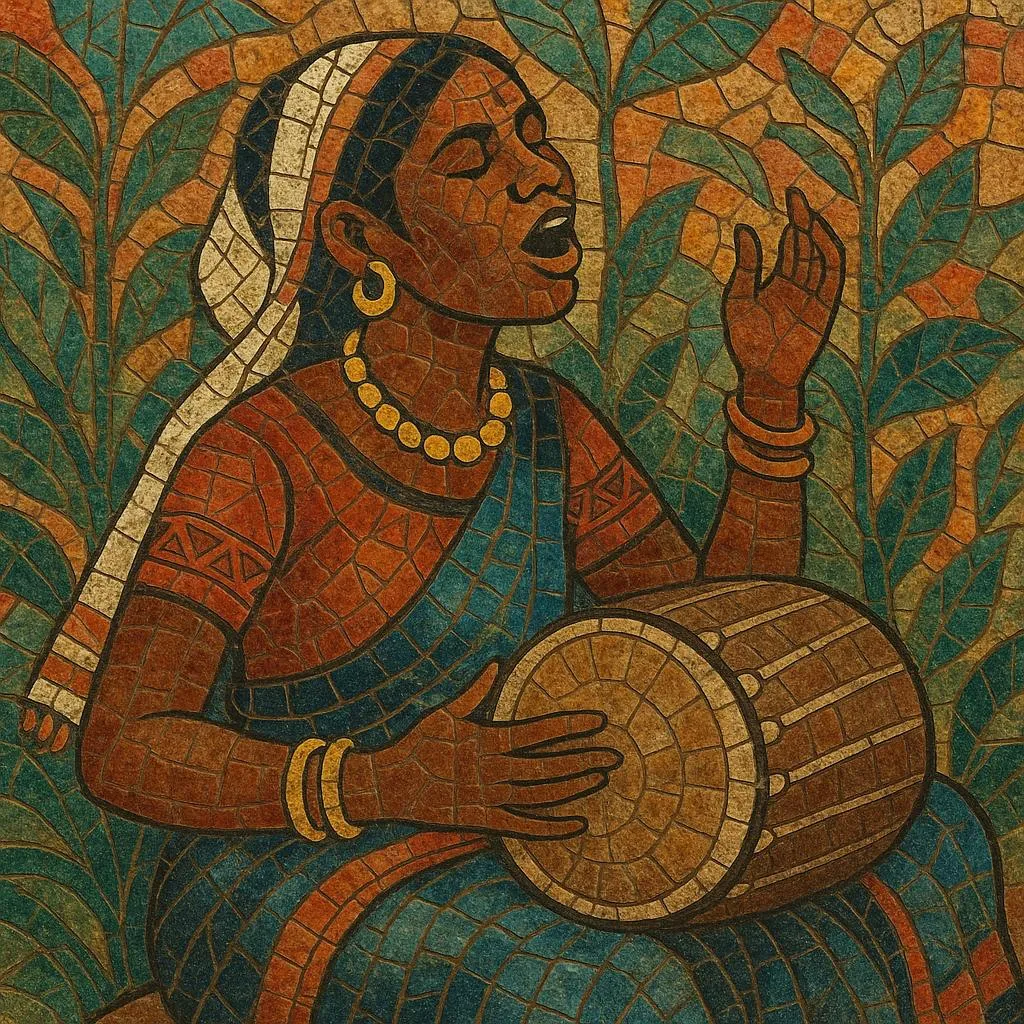
Musically, the style fuses traditional hand drums and festival rhythms (e.g., tumdak–tamak/mandar in Santali areas or timli grooves among Bhili speakers) with electronic beats, synth leads, and Auto‑Tune. Call‑and‑response hooks, bright melodic lines (often pentatonic), and dance‑forward arrangements make it instantly accessible for village events, weddings, and YouTube audiences alike.
History
Adivasi pop crystalized in the 1990s as local cassette cultures expanded beyond devotional and folk recordings. Portable PA systems and affordable studios near tribal districts enabled singers and small labels to adapt festival songs and love ballads into verse–chorus pop, while retaining recognizable regional rhythms and languages.
In the 2000s, VCDs/DVDs and regional television folk programs widened circulation. Santali, Bhili/Timli, and Gondi repertoires adopted clearer pop song structures, adding synth pads and drum machines to traditional drum patterns. Performance videos—shot on modest budgets at melas, weddings, and staged village sets—became a key promotional tool.
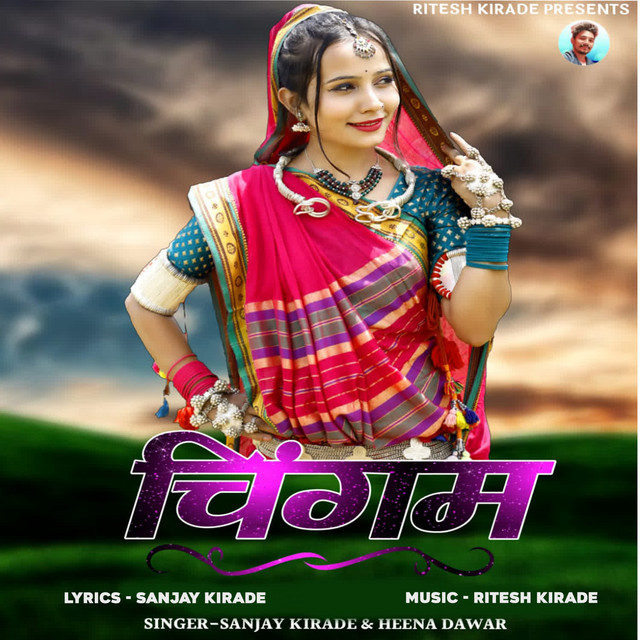
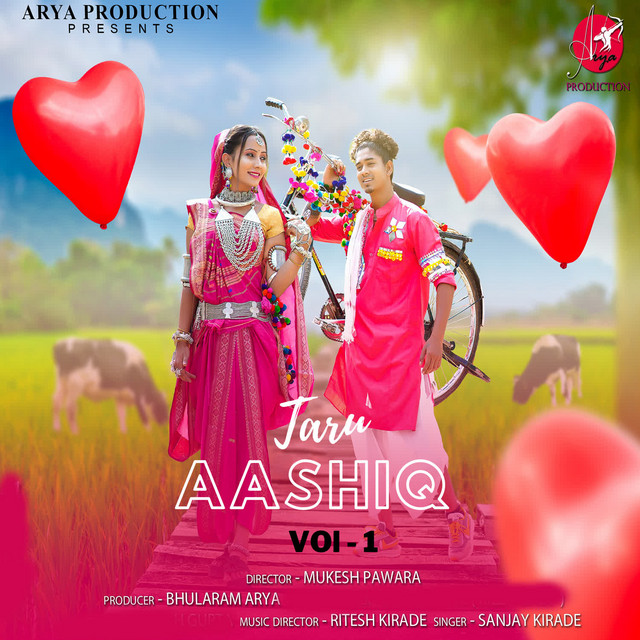
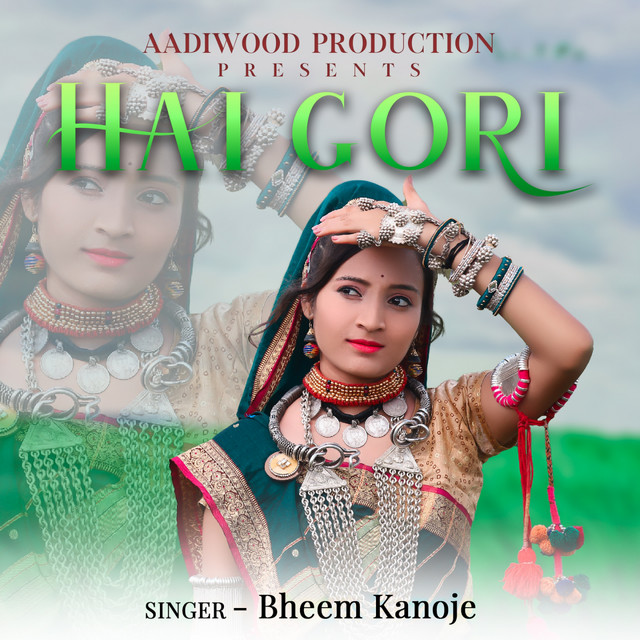
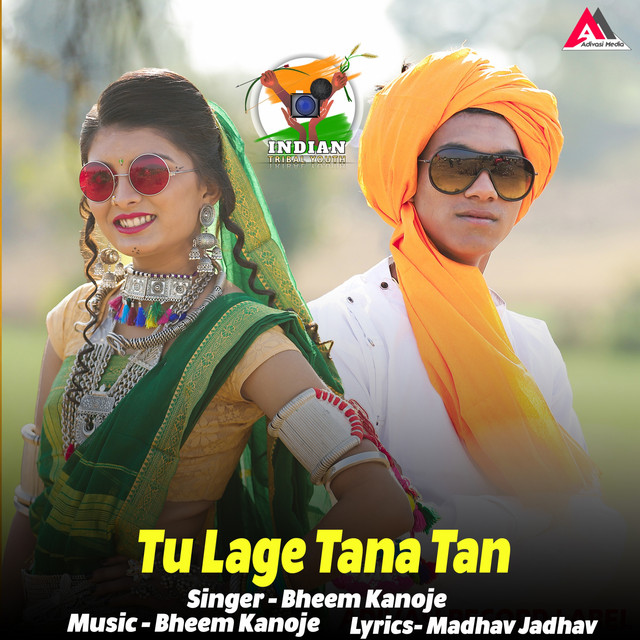
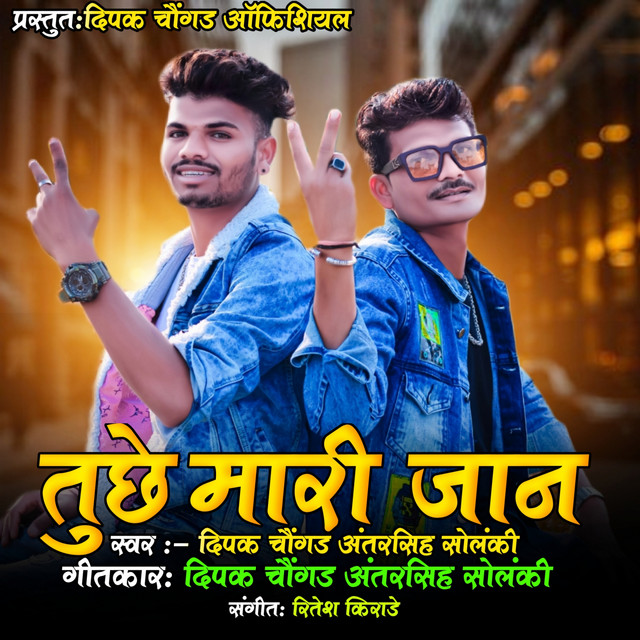
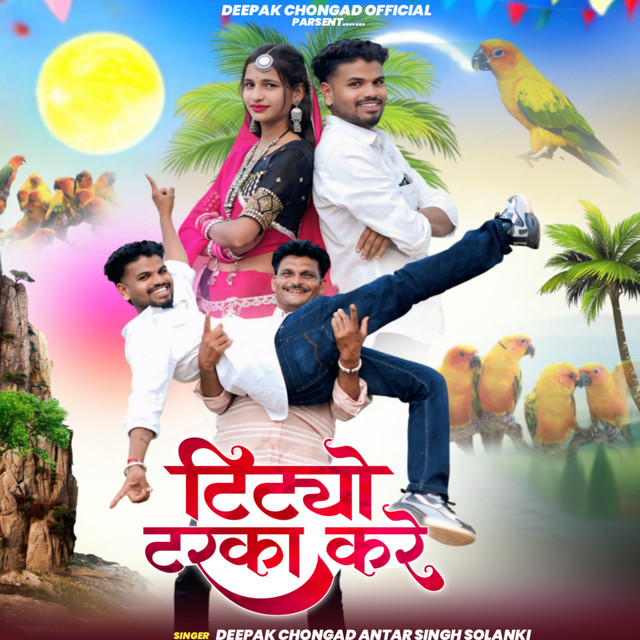
Smartphones, social media, and YouTube catalyzed a rapid expansion in the 2010s. Independent producers and videographers from Adivasi communities professionalized workflows: tighter hooks, brighter mixes, and Auto‑Tuned leads layered over timli or tumdak–tamak grooves. Channels dedicated to specific languages (e.g., Santali, Bhili, Gondi) created scene identities, while cross‑pollination with Bollywood pop aesthetics increased. The genre now functions both as cultural affirmation—foregrounding language and dress—and as a dance‑pop engine for community celebrations, with artists touring regional circuits and building large online followings.
Today, Adivasi pop acts as a living bridge between heritage and modernity. It preserves local rhythmic vocabularies and poetic meters, but presents them in radio‑length, hook‑driven formats. The result is a distinctive Indigenous Indian pop that travels easily across states and platforms, while anchoring pride in tribal languages and performance styles.