


Your digging level
For this genre
0/8
🏆
Sign in, then listen to this genre to level up
Description
The adhan is the Islamic call to prayer: a vocal recitation that invites Muslims to perform the five obligatory daily prayers. It is given at the times of fajr, dhuhr, asr, maghrib and isha, from dawn through night.
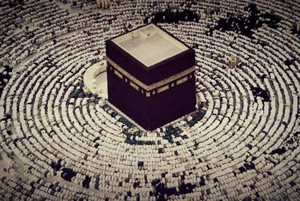
The call has a set structure, although details differ among cultures and particularly between Sunni and Shia traditions. A muezzin traditionally delivers it from a mosque’s minaret while facing the Kaaba, but it can also be recited elsewhere. Its defining role is religious and practical rather than that of a self-contained song.
History
Traditional beginnings
The traditional account attributes the adhan to Abdullah ibn Zayd, a companion of Muhammad. He is said to have received it in a dream. Muhammad is reported to have chosen Bilal ibn Rabah to perform the first call, making Bilal the first muezzin in that account.
Continuing practice
The adhan remains a widely recognizable part of Islamic religious life and can be heard at mosques around the world. Its details have taken different forms across cultures and between Sunni and Shia traditions. The public call has also been the subject of political controversy.
Work with the call’s structure
Begin with the adhan as a structured vocal recitation rather than as a conventional song. Learn the established form you intend to use, bearing in mind that details differ among traditions. The call is delivered by a muezzin to invite listeners to prayer, so make the words intelligible and give the phrases room to be heard.
Shape the delivery
As a practical approach drawn from vocal recitation, you could rehearse the text slowly, plan breaths between phrases and use natural vocal inflection to give the delivery continuity. Practice projecting the voice clearly without rushing. The adhan is traditionally performed from a minaret facing the Kaaba, though it can also be recited elsewhere.
Best playlists






Users’ favorites
Tracks
Share your favorite track to see the other users’ ones
Artists
Share your favorite artist to see the other users’ ones
Albums
Share your favorite album to see the other users’ ones
Upcoming concerts
in this genre
Influenced by

Has influenced
No genres found
