Genres
Artists
Albums
Make Music
Sign in
Sign in
Artists
C-Pop
Artists
C-Pop
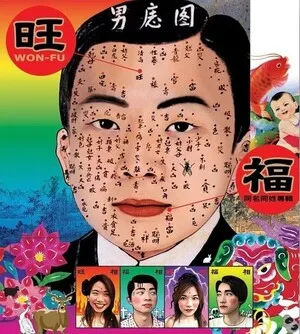
WONFU
2003–2005
·
2 albums
Listen
2
/5
Genres
Lo Star
Lo star is a streaming-era umbrella tag used to group under-the-radar, low-profile artists who sit on the fringes of indie, alternative, DIY pop, and related scenes. Rather than denoting a single, tightly defined musical vocabulary, it marks a discovery space of self-produced or small-label projects with modest audiences, genre-fluid aesthetics, and a distinctly DIY approach to recording and release. Expect intimate vocals, inexpensive or home-studio production, hybrid acoustic/electronic textures, and songwriting that favors personal storytelling and immediacy over polish. Because it functions as a curatorial category for emerging or niche acts, the sonic palette spans indie rock and folk-pop to bedroom pop and lo-fi electronic, unified by scale, ethos, and distribution more than by strict musical rules.
Discover
Listen
Retro Pop
Retro pop is contemporary pop music that deliberately evokes the sound, songwriting, and studio aesthetics of earlier eras—most commonly the late 1970s and 1980s, but also the 1960s girl‑group era, 1970s disco, soft rock, and early 1990s pop-R&B. Hallmarks include analog-leaning synth textures, danceable four-on-the-floor or funky backbeats, prominent basslines, glossy chorus-heavy guitars, gated-reverb drums, stacked background vocals, and big, unforgettable hooks. While its palette looks backward, retro pop uses modern production workflows—tight low-end, streaming-friendly loudness, and contemporary vocal processing—so it feels nostalgic yet current. Lyrically, retro pop often pairs timeless pop themes (romance, yearning, nightlife, bittersweet memories) with sleek, neon-tinged imagery and cinematic nostalgia, bridging classic pop sensibilities with today’s chart expectations.
Discover
Listen
Chinese Indie
Chinese indie is a broad umbrella for independent rock and pop made in Mainland China outside the mainstream Mandopop industry. It ranges from jangly guitar pop and lo‑fi singer‑songwriter to post‑punk, shoegaze, and experimental rock. Formed around DIY venues, small labels, and online communities, the scene emphasizes artistic autonomy, local identity, and lyrics in Mandarin (and regional languages) that reflect urban life, youth alienation, social change, and tender nostalgia. Sonic markers include guitar-driven textures (from clean jangle to fuzz walls), steady post‑punk grooves, dreamy reverb, and occasional use of Chinese modal inflections within Western song forms. Beijing and later Shanghai, Chengdu, Wuhan, and Xi’an became hubs, with labels like Modern Sky and Maybe Mars, and livehouses such as D‑22 and School Bar anchoring a culture of self‑released records, zines, and festivals.
Discover
Listen
Taiwanese Indie
Taiwanese indie is a broad, grassroots-driven scene that blends global indie rock/pop aesthetics with local languages, histories, and urban experience. It ranges from jangly guitar bands and dreamy shoegaze/dream pop, to math-rock intricacy, post-rock expansiveness, and a warm city-pop revival sheen. Lyrics often alternate between Mandarin, Taiwanese Hokkien, Hakka, and English, reflecting Taiwan’s plural identity and everyday life. The sound is typically melodic and atmospheric, balancing DIY intimacy with increasingly polished studio craft and a strong live culture centered on festivals and small venues.
Discover
Listen
Chinese Rock
Chinese rock is the umbrella term for rock music created by bands and solo artists from Mainland China. It emerged in the 1980s during the era often called the New Enlightenment, when intellectual and cultural life reopened after the Cultural Revolution. Defined by an anti-traditional, dissenting stance, Chinese rock has long been associated with challenging mainstream ideology, the commercial establishment, and cultural hegemony. Musically, it fuses Western rock idioms (from classic rock to punk, new wave, and post-punk) with Chinese melodic sensibilities, language, and—at times—traditional instruments and pentatonic inflections.
Discover
Listen
Taiwanese Pop
Taiwanese pop is the broad umbrella for popular music created in Taiwan, spanning Mandarin (Mandopop) and Taiwanese Hokkien (Taiyu) repertoires, with contributions in Hakka and Indigenous languages. It blends the melodic lineage of early Chinese shidaiqu, Japanese kayōkyoku/idol aesthetics, and Western pop-rock, R&B, hip hop, and synth-driven production. The result is a polished, hook-forward sound that ranges from intimate folk-pop ballads to stadium-sized rock and dance-pop. Beyond style, Taiwanese pop is defined by its songwriting craft, emotive vocals, and karaoke-friendly choruses. Its industry infrastructure—iconic labels, variety TV, and cross-strait distribution—helped make Taipei a major hub for Chinese-language popular music across East and Southeast Asia.
Discover
Listen
Comedy Rock
Comedy rock blends the instrumentation, song structures, and energy of rock music with humorous lyrics, satire, pastiche, and parody. Its songs often lampoon pop culture, rock tropes, and everyday life, while still delivering tight arrangements and strong hooks. Artists may mimic the sonic fingerprints of specific rock subgenres (from hard rock to surf or punk) to heighten the comedic effect, use wordplay and punchlines as lyrical “hooks,” and deploy theatrical delivery, skits, and character voices. The best comedy rock balances musicianship with timing, so the joke lands without sacrificing the groove.
Discover
Listen
Pop
Pop is a broad, hook-driven style of popular music designed for wide appeal. It emphasizes memorable melodies, concise song structures, polished vocals, and production intended for radio, charts, and mass media. While pop continually absorbs elements from other styles, its core remains singable choruses, accessible harmonies, and rhythmic clarity. Typical forms include verse–pre-chorus–chorus, frequent use of bridges and middle-eights, and ear-catching intros and outros. Pop is not defined by a single instrumentation. It flexibly incorporates acoustic and electric instruments, drum machines, synthesizers, and increasingly digital production techniques, always in service of the song and the hook.
Discover
Listen
Rock
Rock is a broad family of popular music centered on amplified instruments, a strong backbeat, and song forms that foreground riffs, choruses, and anthemic hooks. Emerging from mid‑20th‑century American styles like rhythm & blues, country, and gospel-inflected rock and roll, rock quickly expanded in scope—absorbing folk, blues, and psychedelic ideas—while shaping global youth culture. Core sonic markers include electric guitar (often overdriven), electric bass, drum kit emphasizing beats 2 and 4, and emotive lead vocals. Rock songs commonly use verse–chorus structures, blues-derived harmony, and memorable melodic motifs, ranging from intimate ballads to high‑energy, stadium‑sized performances.
Discover
Listen
Hokkien Pop
Hokkien pop is a branch of Chinese-language popular music performed primarily in the Hokkien (Taiwanese Minnan) language. It blends melodic sensibilities inherited from early Japanese popular forms (via colonial-era Taiwan) and Southern Fujian folk balladry with modern pop songwriting and production. Across its history, Hokkien pop has encompassed tear-jerking ballads, trot/enka-influenced torch songs, dance-pop singles, and rock-leaning anthems. In Taiwan it became a pillar of local identity, later spreading to Hokkien-speaking communities in Singapore and Malaysia while continually updating its sound with synth-pop, city-pop, and contemporary studio techniques.
Discover
Listen
C-Pop
C-pop (Chinese popular music) is an umbrella term for contemporary popular music sung primarily in Chinese languages, especially Mandarin and Cantonese, and produced across Mainland China, Hong Kong, Taiwan, and the wider Chinese diaspora. It encompasses well-known streams such as Mandopop and Cantopop while also including works in Hokkien and other Sinitic varieties. Stylistically, C-pop blends Western pop, R&B, hip hop, rock, and electronic production with Chinese melodic sensibilities and traditional timbres. Hallmarks include memorable vocal-centric hooks, lyric-driven ballads, polished dance-pop, and frequent incorporation of pentatonic flavors and traditional instruments alongside modern synths and drums. C-pop is culturally influential across East and Southeast Asia, with stars whose appeal rests on both musical craft and multimedia presence (film/TV, variety shows, social platforms).
Discover
Listen
Mandopop
Mandopop (Mandarin popular music) is the Mandarin-language branch of Chinese popular music, built on songcraft that blends Western pop forms with Chinese melodic aesthetics and lyric sensibilities. It favors strong vocal melodies, polished production, and emotionally direct lyrics, ranging from lush romantic ballads to sleek R&B, dance-pop, and band-driven pop-rock. Because Mandarin is a tonal language, phrasing and melodic contour are crafted to respect word tones while remaining singable and memorable. Historically centered in Shanghai’s pre-war Shidaiqu era, Mandopop later flourished in Taiwan and Hong Kong and now thrives across Mainland China, Singapore, Malaysia, and the global Chinese diaspora. It is both a mass-market mainstream and a platform for singer-songwriters who continually fuse local idioms with global pop trends.
Discover
Listen
Show all 12 genres
Albums
2005
1
/5
旺褔誌
Won Fu 旺福
Hokkien Pop
2003
1
/5
同名同姓專輯
Won Fu 旺福
Hokkien Pop
Similar artists
4
/5
Zhang Zhen Yue
C-Pop
Chinese Indie
Chinese Rock
4
/5
告五人
Chinese Rock
Chinese Indie
Taiwanese Indie
3
/5
EggPlantEgg
Chinese Rock
Taiwanese Indie
Chinese Indie
3
/5
Wu Bai
C-Pop
Chinese Indie
Chinese Rock
3
/5
sodagreen
C-Pop
Chinese Rock
Chinese Viral Pop
3
/5
宋冬野
C-Pop
Chinese Indie
Chinese Rock
3
/5
TRASH
Chinese Indie
Chinese Rock
Taiwanese Indie
3
/5
小男孩樂團
C-Pop
Chinese Indie
Chinese Rock
3
/5
郭顶
C-Pop
Chinese Indie
Chinese Rock
3
/5
Naiwen Yang
C-Pop
Chinese Indie
Chinese Rock
Download our mobile app
Get the Melodigging app and start digging for new genres on the go
Download on the App Store
Get it on Google Play
© 2026 Melodigging
Give feedback
Legal
Melodding was created as a tribute to
Every Noise at Once
, which inspired us to help curious minds keep digging into music's ever-evolving genres.