Genres
Artists
Albums
Make Music
Sign in
Sign in
Artists
Basque Folk Music
Artists
Basque Folk Music
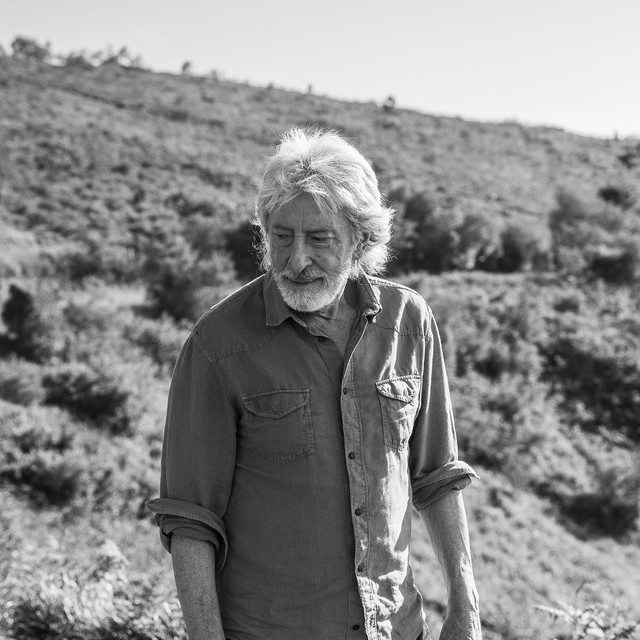
Txomin Artola
1978
·
4 albums
Listen
1
/5
Genres
Euskal Kantagintza Berria
Euskal kantagintza berria (literally “new Basque song”) is a Basque-language singer‑songwriter and folk revival movement that arose in the 1960s. It blends the poetic, socially conscious ethos of the wider Iberian and Latin American nueva canción currents with local Basque folk idioms, instruments, and meters. Musically, it centers on intimate, lyric‑driven songs, usually led by voice and guitar, often enriched by Basque timbres such as txalaparta, trikitixa, alboka, or txistu. Lyrically, it foregrounds the Basque language (Euskara), exploring identity, landscape, love, and cultural and political aspirations under censorship. The movement is closely associated with the collective Ez Dok Amairu and iconic figures such as Mikel Laboa and Benito Lertxundi. Its legacy underpins later Basque‑language folk, pop, and rock, and it remains a touchstone for artists who treat song as a vehicle for cultural continuity and reflection.
Discover
Listen
Basque Folk Music
Basque folk music (Euskal musika herrikoia) is the traditional music of the Basque people, sung largely in Euskara and rooted in village dance, ritual, and oral poetry. Its sound is defined by distinctive local instruments and dance rhythms: the trikitixa (diatonic button accordion) with panderoa (frame drum), the txalaparta (interlocking wooden percussion), the txistu (three‑hole fipple flute) with tamboril (side drum), the alboka (double hornpipe), and in the northern Basque Country the high‑pitched xirula. Vocal traditions range from intimate solo airs to male small‑chorus "otxote" singing and the improvised verse art of bertsolaritza. Melodically it often uses modal scales (especially Dorian and Aeolian), drones, and pentatonic touches; rhythmically it pivots between buoyant couple‑dances (fandangoa, arin‑arin) and characteristically Basque meters such as the zortziko. The repertoire spans ceremonial pieces like the aurresku, circle dances (mutxikoak/jauziak), narrative ballads, and contemporary folk songs that merge old idioms with newer harmonic treatments.
Discover
Listen
Villancico
Villancico is an Iberian song form that emerged in late medieval Spain and flourished during the Renaissance and Baroque eras. Originally a secular, vernacular song associated with rural or popular themes, it evolved into a predominantly sacred genre performed in churches and cathedrals—especially around Christmas. Structurally, a villancico typically alternates a recurring refrain (estribillo) with one or more stanzas (coplas), often in lively, dance-like meters. Texts may be in Spanish or Portuguese and sometimes incorporate dialects and topical characters (for example, negrillos, pastorcillos), while the music ranges from simple strophic tunes to richly scored polychoral works with instrumental accompaniment.
Discover
Listen
Albums
1978
1
/5
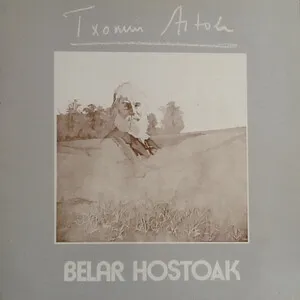
Belar hostoak
Txomin Artola
Basque Folk Music
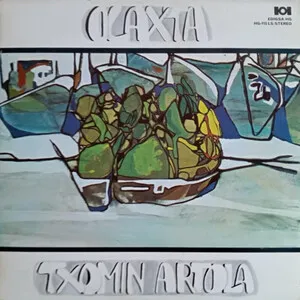
Olaxta
Txomin Artola
Basque Folk Music
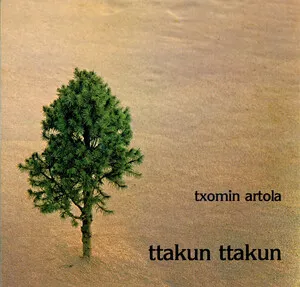
Ttakun ttakun
Txomin Artola
Basque Folk Music
Olaxta
Txomin Artola
Euskal Kantagintza Berria
Similar artists
2
/5
Benito Lertxundi
Euskal Kantagintza Berria
Basque Folk Music
Folk
2
/5
Oskorri
Basque Folk Music
Euskal Kantagintza Berria
1
/5
Inaki Eizmendi
Basque Folk Music
Euskal Kantagintza Berria
2
/5
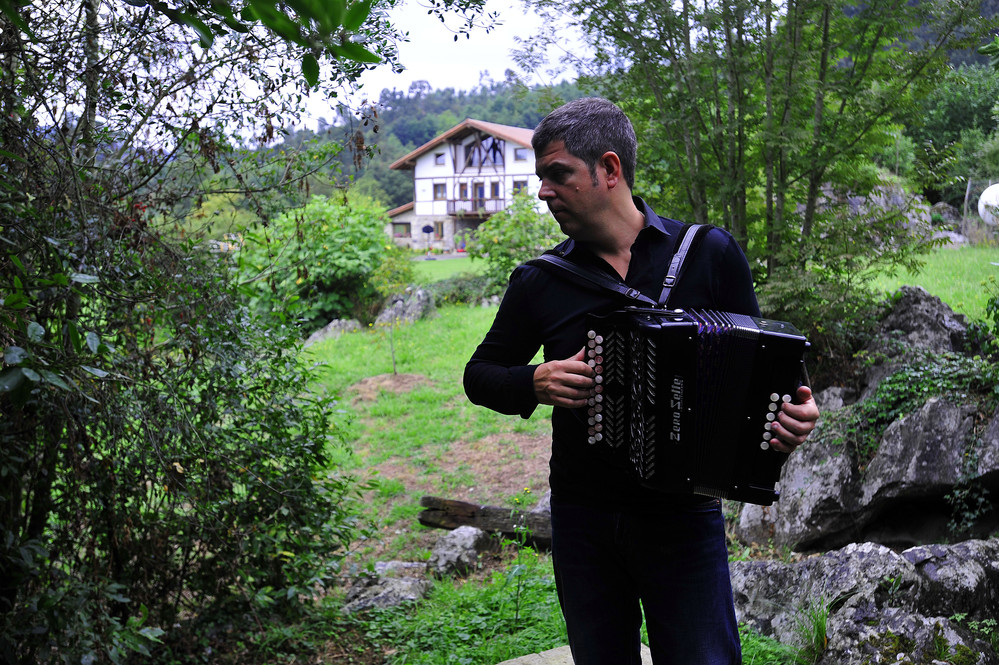
Kepa Junkera
Folk
Trikitixa
Basque Folk Music
5
/5
Luis Miguel
Bolero
Latin Pop
Mariachi
4
/5
David Bisbal
Flamenco Urbano
Latin Pop
Previa
4
/5
José Luis Perales
Trova
Canción Melódica
Villancico
4
/5
Luli Pampín
Children's Music
Lullaby
Villancico
4
/5
Mijares
Latin Pop
Villancico
4
/5
Raphael
Previa
Villancico
Future House
Download our mobile app
Get the Melodigging app and start digging for new genres on the go
Download on the App Store
Get it on Google Play
© 2026 Melodigging
Give feedback
Legal
Melodding was created as a tribute to
Every Noise at Once
, which inspired us to help curious minds keep digging into music's ever-evolving genres.