Genres
Artists
Albums
Make Music
Sign in
Sign in
Artists
Big Room House
Artists
Big Room House
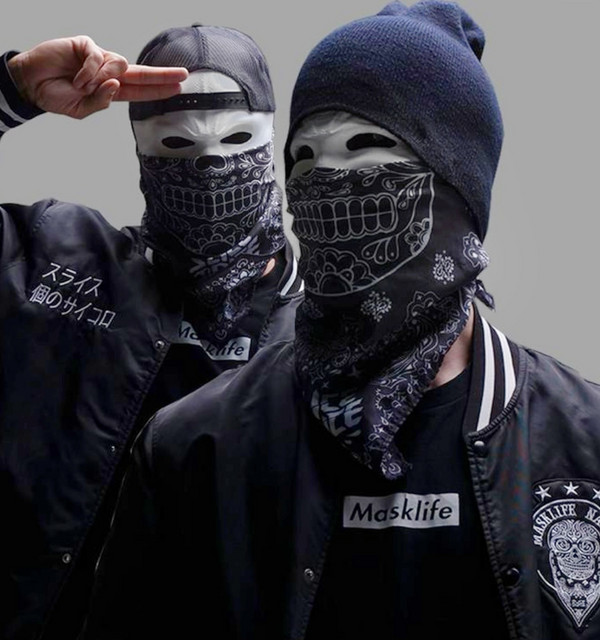
Slice N Dice
Listen
2
/5
Genres
Future Rave
Future rave is an electronic dance music style popularized by David Guetta and MORTEN that fuses the dark, muscular drive of techno with the euphoric tension-and-release of trance and the festival scale of big room house. It typically sits around 126–130 BPM, uses minor-key progressions, saturated supersaw leads, reese/rolling basslines, chunky offbeat stabs, and cinematic build-ups. The sonic palette favors gritty, modern sound design (distorted yet controlled), 909/modern drum kits, and atmospheric FX that enhance a nocturnal, high-stakes mood. Unlike brighter, pop-facing EDM, future rave keeps a moody, industrial sheen while still delivering emotional, hands-in-the-air breakdowns and anthemic toplines.
Discover
Listen
Big Room House
Big room house is a festival-focused strain of EDM built for massive sound systems and outdoor main stages. It typically runs around 126–132 BPM (most commonly 128), uses four-on-the-floor kick patterns, and features huge, simple lead riffs designed to be instantly memorable to large crowds. A defining trait is the contrast between cinematic, reverb-washed breakdowns and ultra-dry, percussive drops driven by a powerful kick, sub, and a few bold supersaw or horn-like synth stabs. Arrangements lean on dramatic builds with snare rolls, risers, and crowd-hyping vocal chops, culminating in drops that emphasize impact over harmonic complexity.
Discover
Listen
Melbourne Bounce
Melbourne bounce is a high-energy offshoot of electro house that emerged from Australia in the early 2010s. It is characterized by a driving 4/4 kick, short off-beat bass stabs that create a rubbery “bounce” groove, and sparse, percussive drops built around punchy lead stabs, brass-like synths, and tom/snare fills. Typically sitting around 126–130 BPM (often 128), the style favors minimal, festival-ready arrangements with big build-ups, chantable vocal chops, and highly DJ-friendly intros/outros. The sound is bright, playful, and kinetic—designed to work on large dancefloors while remaining simple enough to be irresistibly catchy.
Discover
Listen
Vixa
Vixa is a Polish club-oriented strain of mainstream EDM that blends the swagger of big room house with the bouncy drive of Melbourne bounce and Dutch house. In Poland, “vixa” is also slang for a wild party, and the genre reflects that ethos: hard-hitting kicks, bold supersaw or brass-stab leads, and simple, chantable hooks designed for maximum dancefloor impact. Typically sitting around 128–132 BPM, vixa favors dramatic snare-roll builds, pitch-rising risers, and explosive drops with offbeat bass patterns. DJ edits of pop and regional hits—reworked into high-energy drops—are common, helping the sound dominate Polish club nights and festival stages where it thrives on big, euphoric moments.
Discover
Listen
Bass Trap
Bass trap is a high-energy electronic dance music style that merges trap’s halftime hip-hop drum language with festival-scale sound design. It is defined by hard-hitting 808-style sub-bass, punchy snare/clap patterns, rapid hi-hat figures, and aggressive synth or bass “growls” borrowed from modern bass music. Tracks are typically built for big drops and crowd impact, using tension-heavy builds, sudden silences, and explosive low-end releases.
Discover
Listen
Bounce
Bounce is a high-energy regional style of hip hop that emerged in New Orleans in the early 1990s. It is built on fast, repetitive party grooves, commanding chants, and call‑and‑response hooks that directly engage dancers and the crowd. Its signature rhythmic bed centers on the "Triggerman" beat (from the Showboys' 1986 track Drag Rap) and the "Brown Beat" break, usually driven by punchy TR‑808 drums, handclaps, and chopped vocal samples. Lyrics tend to be chant-like, local, and instructional—naming neighborhoods, wards, and housing projects, and cueing specific dance moves (notably twerking). Bounce’s performance tradition connects to New Orleans second‑line and parade culture: it’s communal, percussive, and built for the club and block party. The result is a kinetic, minimal, bass‑forward sound that prioritizes movement, crowd interaction, and relentless momentum.
Discover
Listen
Minimal Techno
Minimal techno is a stripped-down, precision-focused branch of techno that emphasizes space, repetition, and subtle change over time. It typically uses a small palette of elements—kick, hi-hats, sparse percussion, a bass pulse, and a few tonal stabs or textures—and relies on micro-variations, dynamics, and timbral modulation to create movement. Rather than dense layering, minimal techno foregrounds negative space and groove, often highlighting the interplay between a hypnotic 4/4 kick and minimal percussive details. The result is a deep, immersive club sound where patience, restraint, and nuance are central to the aesthetic.
Discover
Listen
Show all 7 genres
Similar artists
3
/5
Joel Fletcher
Aussie Drill
Bounce
Melbourne Bounce
3
/5
SCNDL
Aussie Drill
Bounce
Melbourne Bounce
3
/5
Krunk!
Big Room House
Covertronica
Deep Big Room
2
/5
Uberjak'd
Bounce
Melbourne Bounce
Neo Rave
2
/5
ShortRound
Big Room House
Hard Techno
Melbourne Bounce
2
/5
Modo
Bounce
Covertronica
Melbourne Bounce
2
/5
Reece Low
Bounce
Melbourne Bounce
Vixa
2
/5
Theis EZ
Bounce
Covertronica
Melbourne Bounce
2
/5
Duane Bartolo
Melbourne Bounce
Minimal Techno
Vixa
2
/5
MVCE
Bounce
Melbourne Bounce
Vixa
Download our mobile app
Get the Melodigging app and start digging for new genres on the go
Download on the App Store
Get it on Google Play
© 2026 Melodigging
Give feedback
Legal
Melodding was created as a tribute to
Every Noise at Once
, which inspired us to help curious minds keep digging into music's ever-evolving genres.