Genres
Artists
Albums
Make Music
Sign in
Sign in
Artists
Indonesian Rock
Artists
Indonesian Rock
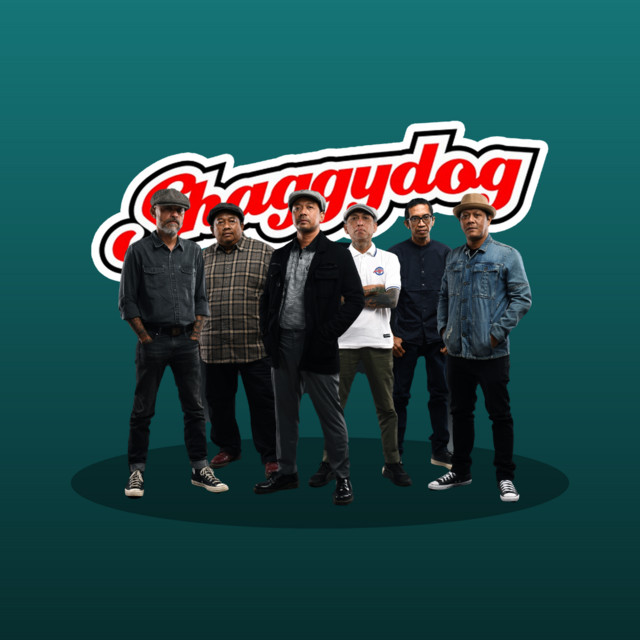
Shaggydog
2021
·
1 album
Listen
3
/5
Genres
Koplo
Koplo (often called "dangdut koplo") is a high-energy, club-ready evolution of Indonesian dangdut that emerged from East Java in the early 2000s. It is defined by a faster tempo, driving "kendang koplo" drum patterns (influenced by Sundanese jaipongan), and lively organ/keyboard harmonies that support sing-along melodies. Performances are highly participatory and dance-focused (goyang), with call-and-response between singer, band, and crowd. Lyrically, koplo keeps the heart of dangdut—romance, everyday life, longing—while its arrangements push toward pop hooks and rhythmic breakdowns suited to large outdoor stages and viral remixes. In the 2010s–2020s it crossed into mainstream Indonesian pop via "pop koplo" and became a staple of DJ remixes (“DJ koplo”).
Discover
Listen
Indonesian Indie Rock
Indonesian indie rock blends the guitar-centric drive of alternative rock with DIY production values and locally rooted lyricism. Bands commonly combine jangly, chorus-laden guitars, melodic basslines, and tight backbeats with touches of post-punk angularity or shoegaze haze. The scene is known for its strong independent ethos: self-released cassettes and CDs, small labels, campus gigs, and a vibrant network of community venues and festivals. Lyrics are often written in Bahasa Indonesia (sometimes mixing English), focusing on urban life, personal reflection, and subtle socio-political commentary. Sonically, Indonesian indie rock ranges from bright Britpop-inspired anthems to moody, reverb-drenched dream pop crossovers. It values memorable hooks, clean but unfussy production, and authentic storytelling over spectacle.
Discover
Listen
Indonesian Rock
Indonesian rock is the broad umbrella for guitar-driven popular music from Indonesia, blending Western classic, hard, and progressive rock with local sensibilities, Bahasa Indonesia lyrics, and occasional traditional melodic or rhythmic inflections. Its core sound ranges from riff‑based hard rock and bluesy classic rock to 1990s alternative and grunge aesthetics. Many acts favor memorable, sing‑along choruses, melodic guitar leads, and groove‑forward rhythm sections. Some landmark experiments weave gamelan‑like ostinati, pentatonic figures, or modal flavors into modern rock arrangements, giving the scene a distinctly Indonesian character.
Discover
Listen
Dangdut
Dangdut is a popular Indonesian dance music that blends Malay orkes Melayu roots with Indian film-music melodicism, Arabic ornamentation, and Western pop/rock arrangement. Its onomatopoeic name comes from the low “dang” and high “dut” strokes of the hand drum pattern, evoking tabla/dholak- or kendang-like timbres. Typical ensembles combine traditional instruments (kendang, suling/flute) with electric guitars, keyboards, bass, and modern drum kits. Vocals are melismatic and expressive, often featuring call-and-response with the audience, and lyrics span romance, everyday life, moral reflection, and social commentary. On stage, dangdut is festive and participatory, with signature dance moves (goyang) and a strong emphasis on groove.
Discover
Listen
Indonesian Pop
Indonesian pop (often called Pop Indo) blends Western pop songwriting with local tastes, producing radio-friendly songs built around memorable hooks, emotive vocals, and polished arrangements. Stylistically, it favors verse–pre‑chorus–chorus structures, mid‑tempo grooves, and lyrical themes of love, longing, and everyday life, typically sung in Bahasa Indonesia. While rooted in global pop, it often draws color from Indonesian traditions (e.g., keroncong timbres, dangdut phrasing) and, in different eras, from disco, soft rock, R&B, and more recently J‑pop/K‑pop production touches. The result is a melodic, accessible sound that feels both cosmopolitan and distinctly Indonesian.
Discover
Listen
Reggae
Reggae is a popular music genre from Jamaica characterized by a laid-back, syncopated groove, prominent bass lines, and steady offbeat “skank” guitar or keyboard chords. The rhythmic core often emphasizes the third beat in a bar (the “one drop”), creating a spacious, rolling feel that foregrounds bass and drums. Typical instrumentation includes drum kit, electric bass, rhythm and lead guitars, keyboards/organ (notably the Hammond and the percussive "bubble"), and often horn sections. Tempos generally sit around 70–80 BPM (or 140–160 BPM felt in half-time), allowing vocals to breathe and messages to be clearly delivered. Lyrically, reggae ranges from love songs and everyday storytelling to incisive social commentary, resistance, and spirituality, with Rastafarian culture and language (e.g., “I and I”) playing a central role in many classic recordings. Studio production techniques—spring reverbs, tape delays, and creative mixing—became signature elements, especially through dub versions that strip down and reimagine tracks.
Discover
Listen
Indorock
Indorock is a high‑energy, guitar‑driven style that emerged in the Netherlands in the late 1950s, created by Indo (Eurasian Indonesian) musicians who blended American rock ’n’ roll with Indonesian/Moluccan musical sensibilities and Hawaiian steel‑guitar traditions. It is characterized by virtuosic lead guitar (tremolo picking, rapid single‑note runs, whammy‑bar dives), strong backbeat drumming, walking or slapping electric bass, and frequent instrumental showcases. Repertoires often mix rocked‑up standards, original instrumentals, and romantic ballads, with occasional rhythmic or melodic inflections drawn from kroncong and Hawaiian styles. Onstage, Indorock was known for flamboyant showmanship—acrobatic guitar moves, dynamic volume swells, and tight ensemble precision—helping ignite the broader Dutch guitar band boom that preceded the British Invasion on the Continent.
Discover
Listen
Ska
Ska is a Jamaican popular music style characterized by a brisk 4/4 groove, off‑beat guitar or piano upstrokes (the “skank”), walking bass lines, and punchy horn riffs. Emerging in late‑1950s Kingston dancehalls, ska fused local mento and calypso with American rhythm & blues and jazz, creating a lively sound that celebrated independence‑era optimism and street culture. Across time, ska evolved through distinct waves: the original Jamaican ska of the early 1960s, the racially integrated and politically aware 2 Tone movement in late‑1970s Britain, and the third‑wave explosion in the 1990s that blended ska with punk energy around the world.
Discover
Listen
Show all 8 genres
Albums
2021
3
/5
Di Sayidan
Shaggydog
Ska
Indorock
Indonesian Rock
Similar artists
1
/5
Various Artists
Afro-Funk
Alternative Rock
Ambient
3
/5
Steven & Coconuttreez
Indonesian Pop
Indonesian Rock
Indorock
3
/5
Tipe-X
Ska
Indonesian Pop
Indonesian Rock
4
/5
For Revenge
Indorock
Indonesian Rock
Indonesian Pop
4
/5
Sheila On 7
Indonesian Rock
Indorock
Malay
4
/5
.Feast
Indonesian Rock
Indorock
Indonesian Pop
4
/5
Dewa 19
Indonesian Rock
Indorock
Indonesian Pop
4
/5
Nidji
Indonesian Rock
Indorock
Malay
4
/5
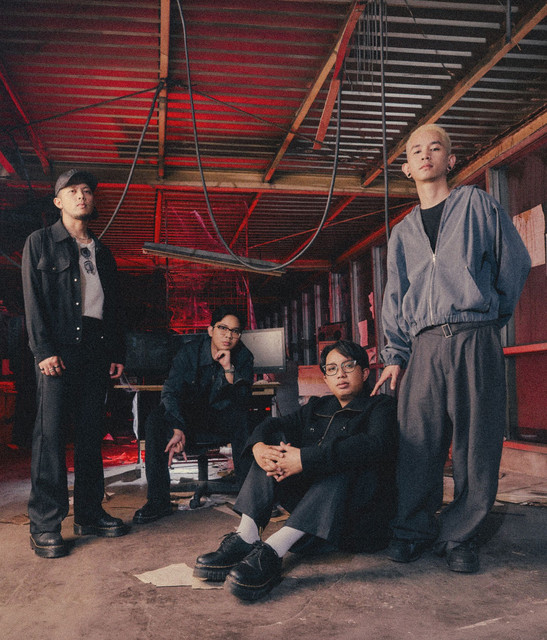
Barasuara
Indonesian Indie Rock
Indonesian Rock
Indorock
4
/5
Utopia
Indonesian Rock
Indorock
Indonesian Pop
Download our mobile app
Get the Melodigging app and start digging for new genres on the go
Download on the App Store
Get it on Google Play
© 2026 Melodigging
Give feedback
Legal
Melodding was created as a tribute to
Every Noise at Once
, which inspired us to help curious minds keep digging into music's ever-evolving genres.