Genres
Artists
Albums
Make Music
Sign in
Sign in
Artists
Cumbia
Artists
Cumbia
Salsa Clave
1 album
Listen
2
/5
Genres
Salsa
Salsa is a pan–Latin dance music forged primarily in New York City by Puerto Rican, Cuban, and other Caribbean diasporas. It synthesizes Afro‑Cuban rhythmic blueprints, Puerto Rican bomba and plena, jazz harmony, big‑band horn writing, and Nuyorican street culture into a tightly arranged yet improvisation‑friendly style. The music lives on the clave (either 2‑3 or 3‑2), with layered percussion (congas, bongó, timbales, cowbell, güiro, maracas), a tumbao bass that anticipates the beat, and piano montuno guajeos that interlock with the rhythm section. Call‑and‑response vocals (coro/pregón), punchy horn mambos and moñas, and instrumental solos energize the montuno section. Tempos range from medium to fast in 4/4, optimized for social dancing (commonly “on1” or “on2”). Across decades, salsa has branched into harder, percussion‑forward “salsa dura,” smoother “salsa romántica,” and regional scenes in Puerto Rico, Venezuela, and Colombia, while continuing to influence—and be influenced by—neighboring tropical and jazz idioms.
Discover
Listen
Cumbia Salvadoreña
Cumbia salvadoreña is the Salvadoran regional style of cumbia, characterized by bright brass-led arrangements, dance‑forward grooves, and catchy call‑and‑response choruses. Unlike the Colombian roots of cumbia that foreground gaitas and hand drums, the Salvadoran sound is typically performed by full "orquesta" bands with trumpets, trombones, saxophones, congas, güiro, timbales, bass, guitar, and keyboards. Tempos are generally upbeat (around 95–115 BPM), melodies are concise and memorable, and arrangements often include brief horn mambos and breaks designed for the dance floor. Lyrics lean toward romance, local pride, and fiesta culture, frequently referencing towns, patron-saint festivals, and everyday life in El Salvador and the Salvadoran diaspora.
Discover
Listen
Cumbia
Cumbia is a syncretic dance-music tradition from Colombia’s Caribbean coast that blends African rhythmic heritage, Indigenous (especially gaita flute) melodic practice, and Spanish colonial instrumentation and forms. Traditionally performed in a moderate 2/4 (often felt in 4/4 today), it features interlocking hand-drum parts (tambora, alegre, llamador), guacharaca or maracas for steady texture, and long cane flutes (gaita hembra and gaita macho) carrying call-and-response melodies. As it spread in the 20th century, orchestras and dance bands added accordion, horns, piano, bass, and later electric guitar and synthesizers, creating urban and pan–Latin American variants. Harmonically simple and rhythm-forward, cumbia places groove, ostinati, and vocal refrains at the center, making it both ceremonial in origin and enduringly popular on social dance floors across the Americas.
Discover
Listen
Albums
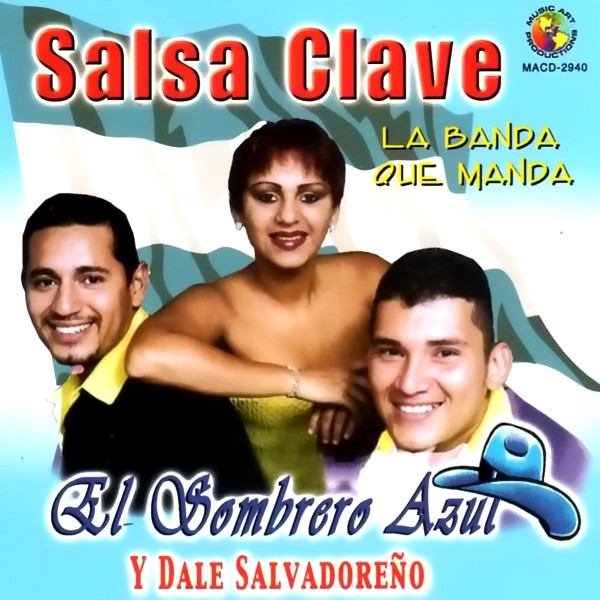
El Sombrero Azul Y Dale Salvadoreño
Salsa Clave
Cumbia Salvadoreña
Similar artists
4
/5
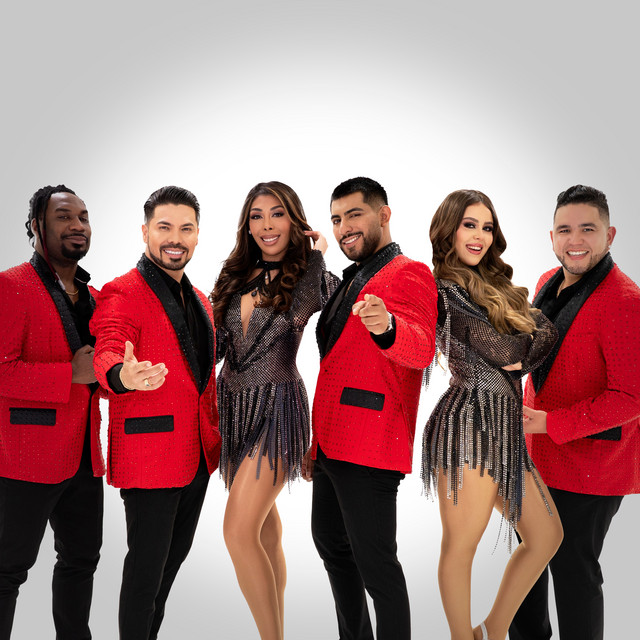
Los Ángeles Azules
Cumbia Mexicana
Latin
Cumbia
4
/5
La Sonora Dinamita
Cumbia
Cumbia Sonidera
Salsa
4
/5
Grupo Cañaveral De Humberto Pabón
Chilena
Cumbia Sonidera
Cumbia
4
/5
Los Yaguarú
Cumbia Sonidera
Cumbia
Salsa
4
/5
Los Askis
Cumbia
Cumbia Sonidera
Salsa
4
/5
Grupo Kual?
Cumbia Sonidera
Cumbia
Electrocumbia
4
/5
Aaron Y Su Grupo Ilusion
Cumbia
Cumbia Sonidera
Salsa
4
/5
Los Llayras
Cumbia Sonidera
Cumbia
Folclor Andino
3
/5
Margarita la diosa de la cumbia
Cumbia
Cumbia Sonidera
Salsa
3
/5
Alberto Pedraza
Cumbia Sonidera
Cumbia
Electrocumbia
Download our mobile app
Get the Melodigging app and start digging for new genres on the go
Download on the App Store
Get it on Google Play
© 2026 Melodigging
Give feedback
Legal
Melodding was created as a tribute to
Every Noise at Once
, which inspired us to help curious minds keep digging into music's ever-evolving genres.