Genres
Artists
Albums
Make Music
Sign in
Sign in
Artists
Reggaeton
Artists
Reggaeton
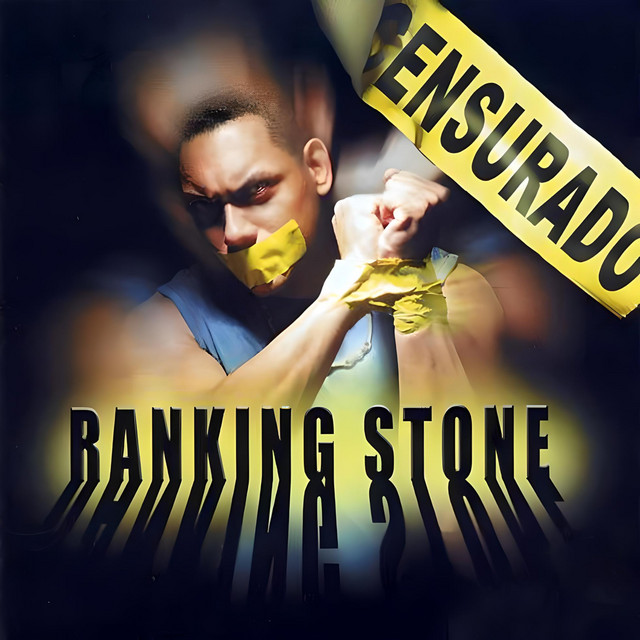
Ranking Stone
Listen
3
/5
Genres
Reggaeton Mexa
Reggaeton mexa is the Mexican take on reggaetón, fusing the classic dembow pulse with local slang, humor, and references to Mexican youth culture. It leans on viral, dance‑oriented hooks and streetwise storytelling, often delivered with bold, tongue‑in‑cheek bravado. Beyond straight perreo, producers and artists frequently blend elements from regional mexicano and cumbia with modern urbano textures (808s, crisp claps, autotune‑forward vocals). The result is a distinctly Mexican club sound that thrives on social media, parties, and neighborhood scenes in Mexico City, Monterrey, and Guadalajara.
Discover
Listen
Trap Latino
Trap latino (Latin trap) is a Spanish-language offshoot of Southern U.S. trap that fuses the dark, bass-heavy aesthetics of trap with the rhythmic DNA and songwriting sensibilities of the Latin urbano spectrum (reggaeton, dembow, Latin hip hop). Beats typically sit around 70–75 BPM (or 140–150 BPM double-time), driven by sliding 808 bass lines, skittering hi-hat rolls, and crisp snares/claps. Vocals range from gritty rap to heavily Auto-Tuned, melodic hooks, often delivered in Spanish or Spanglish. Lyrical themes oscillate between street realism, romance, hedonism, and introspection, with production palettes favoring minor keys, eerie pads, bell/pluck motifs, and space that lets low-end energy shine. Born in Puerto Rico mid-2010s, the style quickly crossed into the broader Latin urbano market and global pop, reshaping the sound of contemporary Latin music and catalyzing crossovers with regional Mexican, pop, and reggaeton scenes.
Discover
Listen
Trap Boricua
Trap boricua is the Puerto Rican strain of Latin trap: a Spanish-language take on Southern U.S. trap aesthetics fused with the island’s reggaetón DNA and hip‑hop tradition. It is characterized by halftime 4/4 grooves (typically 65–75 BPM, or 130–150 BPM counted double‑time), heavy 808 sub-bass with slides, skittering 1/16 hi‑hats and triplet rolls, crisp claps/snares on the halftime backbeat, and atmospheric pads or minor‑key synth motifs. Vocals often mix melodic Auto‑Tuned hooks with gritty rap verses, switching between rapid‑fire syllables and laid‑back flows. Lyrically, artists blend barrio storytelling, bravado (fronteo), luxury and street codes with Puerto Rican slang, while also opening space for romance, introspection, and social commentary. The sound frequently hybrids with reggaetón (dembow cadences), R&B, and drill, making it both club‑ready and mood‑driven.
Discover
Listen
Reggaeton
Reggaeton is a contemporary urban dance music that blends the dembow rhythm of Jamaican dancehall with hip hop’s MC culture and Caribbean–Latin melodic sensibilities. Its hallmark is the propulsive, syncopated “dembow” drum pattern, typically around 85–100 BPM (often felt in half-time), which powers energetic verses and catchy, sung hooks. Lyrically, reggaeton is most often in Spanish or Spanglish and centers on dance, nightlife, flirtation, romance, and street life, with a performance style that alternates between rapped bars and melodic chorus lines. Production emphasizes tight, punchy drums, rolling 808 sub-bass, percussive plucks or stabs, and bright, hook-forward toplines—crafted for the club and tailored for crowd participation and perreo.
Discover
Listen
Son Jarocho
Son jarocho is a traditional folk music and dance style from the Sotavento region of Veracruz, Mexico, shaped by the encounter of Spanish, Indigenous, and West African cultures. It is performed at community gatherings called fandangos, where singers, dancers, and instrumentalists trade improvised verses and rhythms in a festive, call-and-response setting. Its core sound blends strummed jaranas (small, re-entrant tuned guitars), the melodic requinto jarocho played with a plectrum, and the arpa jarocha (harp), supported by percussive zapateado dancing on a wooden platform (tarima). Additional timbres come from the quijada (donkey jawbone), pandero, and marimbol (bass lamellophone). Sones such as La Bamba, El Siquisirí, El Colás, El Balajú, and El Cascabel feature hemiola (sesquiáltera) grooves that alternate between 6/8 and 3/4, décima-verse poetry, and a communal, improvisatory spirit.
Discover
Listen
Similar artists
5
/5
J Balvin
Reggaeton
Latin
Trap Latino
5
/5
Myke Towers
Reggaeton
Trap Latino
Trap Boricua
5
/5
Omar Courtz
Trap Boricua
Trap Latino
Latin Afrobeats
5
/5
Blessd
Trap Boricua
Dembow Belico
Electro Corridos
5
/5
Ñengo Flow
Trap Boricua
Chilean Trap
Neoperreo
5
/5
Wisin & Yandel
Reggaeton
Electro Latino
Trap Latino
5
/5
Lenny Tavárez
Reggaeton
Argentine Trap
Trap Boricua
5
/5
Yandel
Reggaeton
Trap Boricua
Pop Reggaeton
5
/5
De La Ghetto
Chilean Trap
Trap Boricua
Argentine Trap
5
/5
Justin Quiles
Reggaeton
Trap Boricua
Latin Afrobeats
Download our mobile app
Get the Melodigging app and start digging for new genres on the go
Download on the App Store
Get it on Google Play
© 2026 Melodigging
Give feedback
Legal
Melodding was created as a tribute to
Every Noise at Once
, which inspired us to help curious minds keep digging into music's ever-evolving genres.