Genres
Artists
Albums
Make Music
Sign in
Sign in
Artists
Enka
Artists
Enka
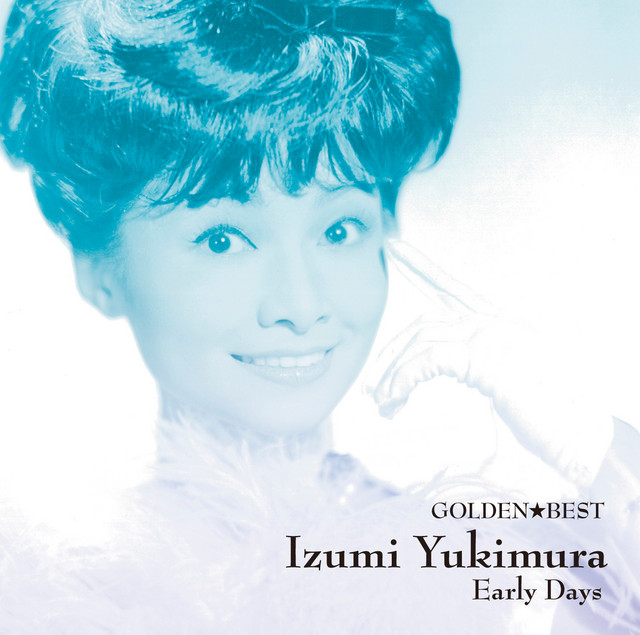
Izumi Yukimura
1974
·
1 album
Listen
1
/5
Genres
Enka
Enka is a Japanese popular song style known for its sentimental ballads, expressive vocals with wide vibrato, and dramatic, narrative delivery. It evokes nostalgia for hometowns, bygone eras, and lost love, often painting scenes of coastal ports, country roads, and seasonal landscapes. Musically, enka blends Western harmonic frameworks with Japanese melodic sensibilities. Melodies often use yonanuki (four-note-omission) major or minor pentatonic variants, creating a “traditional” Japanese color over simple, diatonic progressions. Arrangements favor lush strings, reverb-laden guitars, saxophone obbligatos, and occasional traditional timbres (shamisen or shakuhachi) for color. Culturally, enka rose to mass popularity during the postwar Shōwa era and remains tied to television variety shows, karaoke bars, and live theater venues. Its performance practice foregrounds pathos, rubato phrasing, and ornamental turns called kobushi.
Discover
Listen
Mood Kayō
Mood kayō (ムード歌謡) is a mid‑century Japanese popular style that blends kayōkyoku songcraft with nightclub crooning and light jazz/Latin arrangements. It favors a smooth, intimate vocal delivery over lush strings, muted horns, vibraphone, and gently swinging rhythm sections. The genre’s sound world evokes late‑night bars, neon cityscapes, and bittersweet romance. Harmonically it borrows from American jazz and Latin ballads (ii–V–I turns, major 7ths, extensions), while rhythmically it draws on bolero, cha‑cha‑cha, and light mambo feels. Lyrics typically focus on adult themes—love, longing, regret, and fleeting encounters—framed with urbane sophistication.
Discover
Listen
Kayōkyoku
Kayōkyoku is a broad umbrella of Japanese popular song that dominated the nation’s mainstream from the prewar era through the 1980s, before the term J‑pop became prevalent. It blends Western popular idioms—such as jazz, swing, tango, and later rock and roll—with Japanese melodic sensibilities and lyric themes. Stylistically, kayōkyoku favors clear, memorable melodies, polished vocal delivery, and orchestral or big‑band arrangements. Its songs often use Western song forms (AABA or verse–chorus), while retaining a distinctly Japanese emotional tone rooted in nostalgia, romance, and everyday urban life.
Discover
Listen
Ryūkōka
Ryūkōka is an early form of Japanese popular music that, in today’s usage, refers to the mainstream and semi-classical "pop" songs recorded and broadcast from the late 1920s through the early 1960s. While the word once broadly meant "fashionable/popular song" (a sinic reading related to hayariuta) with roots stretching back to premodern popular genres, the modern sense denotes a Showa-era repertoire that blends Japanese melodic sensibilities with Western classical harmony, dance rhythms (waltz, foxtrot, tango), and jazz-era orchestrations. Vocals in archetypal ryūkōka favor a smooth legato line rather than the wide, sobbing kobushi ornaments that later came to typify enka. Ryūkōka’s studio and radio-driven idiom provided the foundation from which postwar Japanese popular music diverged: one current moving toward enka and another toward poppusu/kayōkyoku, setting the stage for later J‑pop.
Discover
Listen
Albums
1974
1
/5
Super Generation (スーパー・ジェネレイション)
Izumi Yukimura 雪村いづみ, Ryoichi Hattori 服部良一 & Tin Pan Alley ティン・パン・アレー
Mood Kayō
Ryūkōka
Similar artists
2
/5
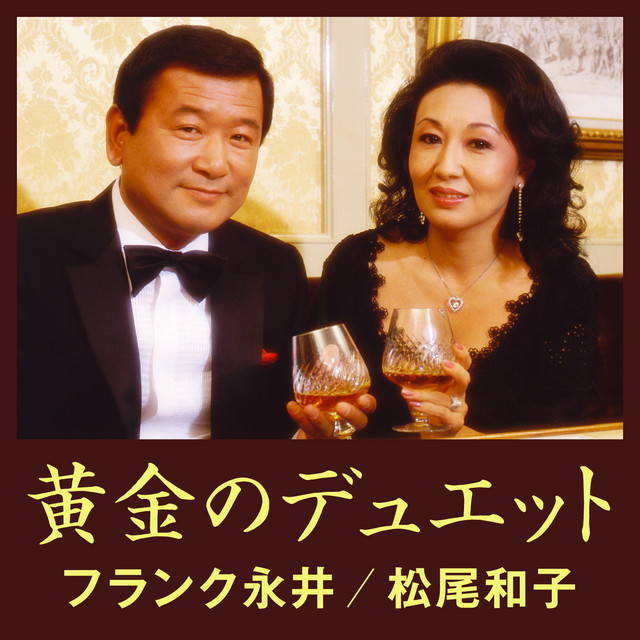
Kazuko Matsuo
Enka
Kayōkyoku
Ryūkōka
1
/5
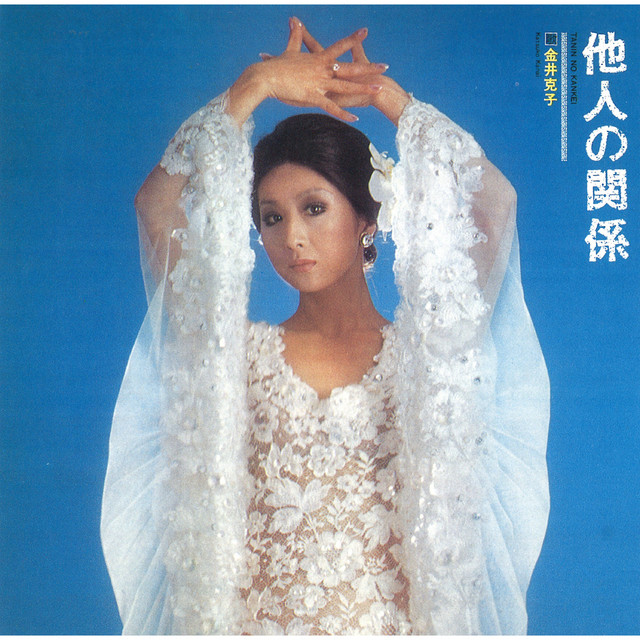
Katsuko Kanai
Enka
Kayōkyoku
Mood Kayō
1
/5
スリー・キャッツ
Enka
Kayōkyoku
Mood Kayō
3
/5
Yujiro Ishihara
Enka
Mood Kayō
Ryūkōka
2
/5
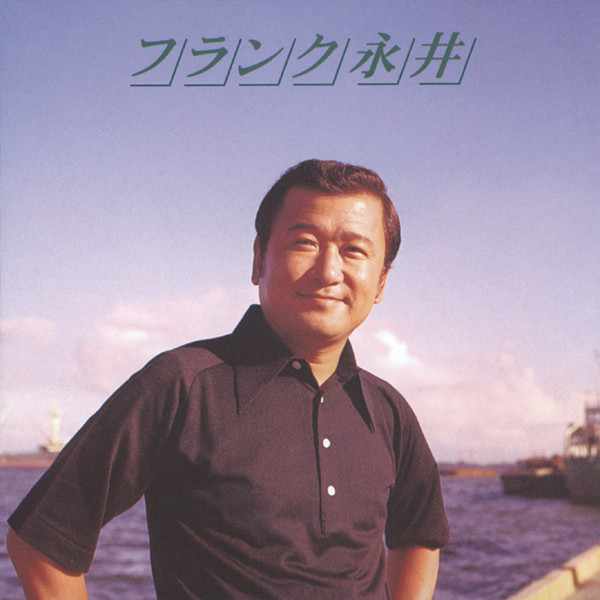
Frank Nagai
Ryūkōka
Mood Kayō
Enka
1
/5
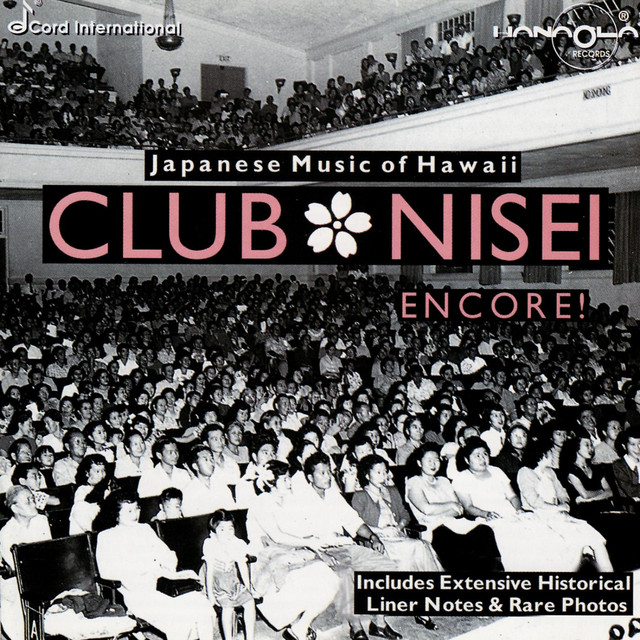
Club Nisei Orchestra
Enka
Exotica
Ryūkōka
3
/5
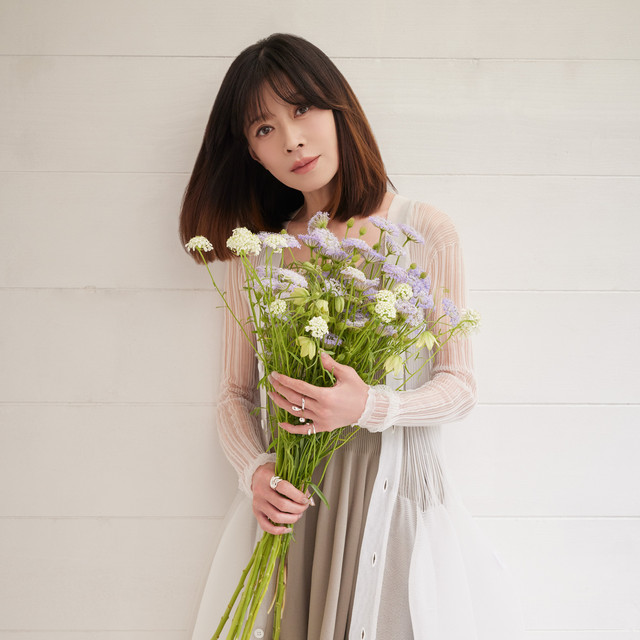
Seiko Matsuda
Idol Kayō
City Pop
Enka
3
/5
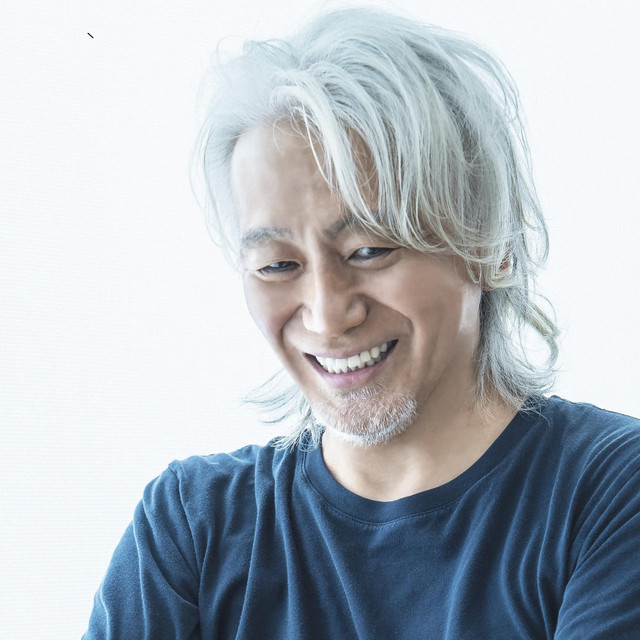
Yumi Matsutoya
Enka
City Pop
J-Pop
3
/5
Akina Nakamori
Idol Kayō
Techno Kayō
Kayōkyoku
3
/5
Koji Tamaki
Enka
Kayōkyoku
J-Pop
Download our mobile app
Get the Melodigging app and start digging for new genres on the go
Download on the App Store
Get it on Google Play
© 2026 Melodigging
Give feedback
Legal
Melodding was created as a tribute to
Every Noise at Once
, which inspired us to help curious minds keep digging into music's ever-evolving genres.