Genres
Artists
Albums
Make Music
Sign in
Sign in
Artists
Faroese Folk Music
Artists
Faroese Folk Music
Hoydølum
1984–2000
·
3 albums
Listen
1
/5
Genres
Traditional Folk
Traditional folk is a broad umbrella for orally transmitted songs and dance tunes that circulated in rural and working-class communities before the age of mass recording. Repertoires include narrative ballads, laments, love songs, work songs, lullabies, and instrumental dance sets such as reels, jigs, hornpipes, and marches. Stylistically, traditional folk favors strophic forms, pentatonic or modal melodies (often Dorian and Mixolydian), limited harmonic movement, and strong, memorable tunes designed for communal singing and dancing. Performances range from unaccompanied solo voice to small ensembles built around fiddle, flute/whistle, pipes, concertina/accordion, guitar, banjo, and frame drum. Ornamentation, variation by verse, and flexible tempo are integral, reflecting an oral tradition where songs live through continual reinterpretation. Although it is pan‑regional, the modern idea of “traditional folk” coalesced in the 19th century through collectors and revivalists who documented vernacular music and framed it as cultural heritage.
Discover
Listen
Nordic Old Time Dance Music
Nordic old time dance music (often called gammaldans in Swedish and Norwegian, and pelimanni music in Finnish contexts) is the Nordic take on the pan-European couple-dance repertoire that swept the continent in the 19th century. It centers on waltz, schottische (reinlender), polka, mazurka, and the Swedish hambo, performed for social dancing in village halls, farm kitchens, and civic gatherings. The sound is melody‑driven and highly danceable, led by fiddle and accordion (both diatonic/button and later piano accordion), with harmonium, guitar, and double bass providing rhythmic and harmonic support. Tunes typically come in compact two‑strain forms (AABB), in friendly fiddle keys (G, D, A), with a buoyant lilt and clear phrasing tailored to the steps. While the music is mostly major‑mode and upbeat, it also includes tender waltzes and stately mazurkas that add romantic and nostalgic shades.
Discover
Listen
Shetland & Orkney Folk Music
Shetland & Orkney folk music is the fiddle‑led traditional music of Scotland’s far‑northern isles, where Scottish dance forms meet strong Nordic (especially Norwegian) influences. Tunes are typically brisk reels and jigs, buoyant waltzes and polkas, and lyrical slow airs, all shaped by a distinctive “ringing‑strings” approach that favours open‑string drones, double stops, and bright, bell‑like resonance. While sharing forms with mainland Scottish traditions (reels, jigs, strathspeys), the island styles differ in feel: Shetland playing is often more driving and exuberant, with powerful bowing and propulsive rhythm suited to lively dance. Orkney performance often leans to warm harmonies, graceful waltzes, and melodic airs, reflecting the archipelago’s seafaring and Nordic heritage. Guitar (in a swing‑coloured local style), piano, accordion, and mandolin commonly accompany the fiddle, and modern ensembles range from intimate duos to fiddle sections in festival bands. The repertoire mixes old “trowie” (fairy) tunes and local dance music with modern island compositions that have travelled widely across the folk world. Two of the UK’s best‑known folk festivals—the Shetland Folk Festival and the Orkney Folk Festival—help sustain and evolve the tradition.
Discover
Listen
Faroese Folk Music
Faroese folk music centers on the kvæði (long narrative ballads) sung for the traditional chain dance, a communal, circular line-dance in which a lead singer (skipari) intones verses and the circle answers with a fixed refrain. Historically performed a cappella and in Faroese language, the music preserves medieval Norse balladry in strophic, modal melodies that repeat across many verses while the dance keeps time through steps rather than instruments. Over centuries, hymns (especially Kingo-style psalms) and later fiddle/accordion/guitar accompaniments entered practice, but the unaccompanied ballad-leading style remains the core of the tradition. Themes range from heroic sagas and legendary kings to local history and satirical tættir, carried by straightforward, memorable tunes designed for collective participation and endurance.
Discover
Listen
Albums
2000
1
/5
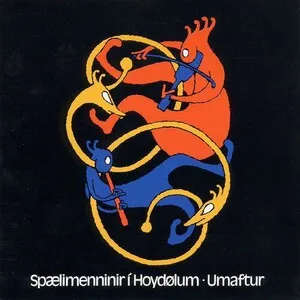
Umaftur
Spælimenninir í Hoydølum
Faroese Folk Music
Nordic Old Time Dance Music
2000
1
/5
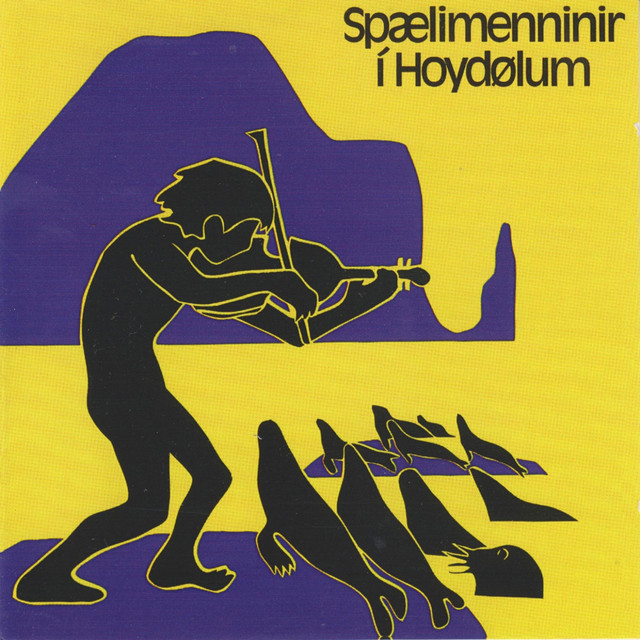
Spælimenninir í Hoydølum
Spælimenninir í Hoydølum
Faroese Folk Music
1984
1
/5
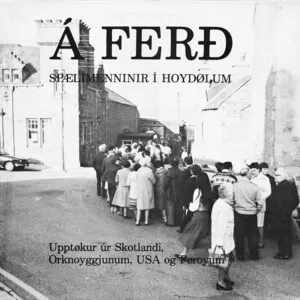
Á ferð
Spælimenninir í Hoydølum
Faroese Folk Music
Shetland & Orkney Folk Music
Similar artists
1
/5
Spælimenninir
Faroese Folk Music
Folk
Traditional Folk
1
/5
Dansifelagið í Havn
Faroese Folk Music
Traditional Folk
1
/5
Kata
Faroese Folk Music
Traditional Folk
1
/5
Saltfishforty
Shetland & Orkney Folk Music
Celtic
Folk
1
/5
Norrlåtar
Nordic Old Time Dance Music
Polka
Traditional Folk
1
/5
Lena Jonsson Trio
Folk
Traditional Folk
Nordic Old Time Dance Music
1
/5
Skäggmanslaget
Polska
Nordic Old Time Dance Music
Traditional Folk
1
/5
Erik Ask-Upmark
Folk
Traditional Folk
Nordic Old Time Dance Music
1
/5
Eric Sahlström
Folk
Traditional Folk
Nordic Old Time Dance Music
1
/5
Nils Agenmark
Folk
Traditional Folk
Nordic Old Time Dance Music
Download our mobile app
Get the Melodigging app and start digging for new genres on the go
Download on the App Store
Get it on Google Play
© 2026 Melodigging
Give feedback
Legal
Melodding was created as a tribute to
Every Noise at Once
, which inspired us to help curious minds keep digging into music's ever-evolving genres.