Genres
Artists
Albums
Make Music
Sign in
Sign in
Artists
Country
Artists
Country
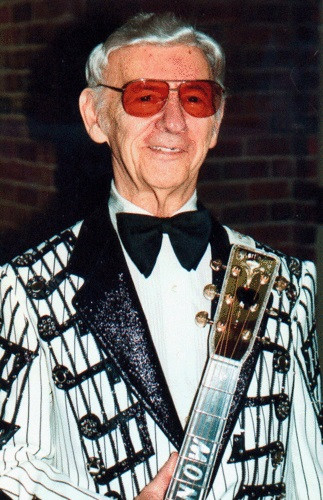
Hank Snow
1968
·
1 album
Listen
2
/5
Genres
Nashville Sound
The Nashville Sound is a smooth, pop-leaning style of country music that emerged in the late 1950s out of Nashville’s recording studios. It softened honky-tonk edges with orchestral strings, background vocal choirs, and polished production to appeal to both country and mainstream pop audiences. Instead of the fiddle-and-steel-forward bar-band feel, the style favors crooning lead vocals, "slip-note" piano, tic-tac bass, subdued drums with brushes, and tasteful electric guitar. Lyrically, it centers on love, longing, and adult romance, packaged in concise, radio-ready song forms that crossed over to the pop charts.
Discover
Listen
Classic Country
Classic country refers to the traditional sound of American country music established from the 1940s through the 1970s, before the genre’s heavy pop crossover of later decades. It foregrounds storytelling, plainspoken vocals, and clean, twangy instrumentation such as acoustic guitar, Telecaster-style electric guitar, fiddle, pedal steel, upright or electric bass, piano, and restrained drums. Hallmark rhythms include the two-step (in 2/4), the steady 4/4 shuffle, the “train beat,” and the country waltz (3/4). Harmony is typically diatonic and rooted in I–IV–V progressions with occasional secondary dominants and simple turnarounds. Lyrically, classic country centers on love and heartache, rural and working-class life, faith, family, drinking and redemption, and the open road. Production is intimate and voice-forward, ranging from the raw honky-tonk bar-band feel to the smoother Nashville sound with tasteful strings and backing vocals.
Discover
Listen
Honky Tonk
Honky tonk is a hard-edged, barroom strain of country music built for noisy dancehalls and roadside beer joints. It emphasizes a strong backbeat, simple I–IV–V harmony, and vivid storytelling about heartbreak, drinking, cheating, and working-class life. Sonically, it features twangy electric (often Telecaster) guitar, crying pedal steel or lap steel, fiddle, pounding honky-tonk piano with boogie-woogie figures, upright or electric bass, and a steady shuffle or two-step drum groove. Vocals are direct and emotive, often with a nasal twang and blue-note inflections, designed to cut through a lively room. Amplification and a danceable feel are central, reflecting its origins in Texas and Oklahoma bars after Prohibition, where musicians needed volume, rhythmic drive, and memorable hooks to reach listeners over clinking glasses and conversation.
Discover
Listen
Country Gospel
Country gospel is a devotional branch of country music that weds rural American songcraft to Christian message and testimony. It features acoustic-forward instrumentation (guitars, fiddle, banjo, mandolin, piano, pedal steel), plainspoken storytelling, and close vocal harmony drawn from shape-note singing and church quartets. Songs typically use simple, singable melodies and diatonic progressions in verse–chorus forms, emphasizing themes of salvation, hardship, hope, gratitude, and moral reflection. Popularized on early radio and barn-dance programs, it has remained a staple of country repertoire—from family groups and harmony duos to solo artists who intersperse sacred material within country albums and concerts.
Discover
Listen
Country
Country is a roots-based popular music from the rural American South that blends Anglo-Celtic ballad traditions with African American blues, gospel, and string-band dance music. It is characterized by narrative songwriting, plainspoken vocals with regional twang, and a palette of acoustic and electric instruments such as acoustic guitar, fiddle, banjo, pedal steel, and telecaster guitar. Rhythmically it favors two-step feels, train beats, shuffles, and waltzes, while harmony is largely diatonic (I–IV–V) with occasional country chromaticism and secondary dominants. Across a century, country has evolved through substyles like honky-tonk, the Nashville and Bakersfield sounds, outlaw country, neotraditionalist revivals, pop-country, and country-rap hybrids, but it consistently prioritizes storytelling about everyday life, love, work, faith, place, and identity.
Discover
Listen
Traditional Country
Traditional country is a roots-oriented branch of country music that preserves the acoustic timbres, plainspoken storytelling, and danceable rhythms of early "hillbilly" and honky-tonk styles. It favors fiddles, acoustic and steel guitars, upright bass, and modest percussion, with melodies and harmonies grounded in Anglo-American folk, gospel, and blues. Songs typically revolve around everyday life—love, heartbreak, faith, work, and small-town or rural experience—delivered with an unadorned, emotive vocal style. As a practice and ethos, traditional country resists pop sheen and elaborate production, emphasizing live ensemble interplay, two-step and waltz feels, and concise verse–chorus forms. Its sound is closely associated with the Grand Ole Opry era, barn-dance radio, and mid‑century jukebox honky-tonks.
Discover
Listen
Country Yodeling
Country yodeling is a vocal-centric branch of early country and western music that spotlights rapid flips between chest voice and head voice to create the unmistakable "yodel" break. It merges the Alpine yodeling technique with American rural song forms, cowboy ballads, and country blues harmonies. The style is defined by clear, ringing tones, wide interval leaps (often sixths and octaves), and syllabic vocables such as “yo-de-lay-ee-o.” It commonly rides atop acoustic guitar strums, fiddle lines, steel guitar swells, and upright bass, with tempos ranging from lilting waltzes to two-step and medium 4/4. Lyrically, it leans on frontier imagery, open skies, lonesome travel, and romantic yearning, often placing yodeled refrains as hooks or emotional climaxes within otherwise straightforward country forms.
Discover
Listen
Cowboy Poetry
Cowboy poetry is a narrative, often humorous or reflective spoken-verse tradition that grew out of the daily lives of working cowboys in the American West. Typically recited from memory rather than read, it uses plainspoken language, steady meters, and end-rhymes to tell stories about cattle drives, horses, weather, humor on the trail, ranch work, land stewardship, and the changing West. While sometimes accompanied by guitar or fiddle, it is primarily a performance of voice, pacing, and imagery, designed for campfires, bunkhouses, and community gatherings. Stylistically, cowboy poetry draws heavily on Anglo‑American ballad forms and frontier oral storytelling, favoring quatrains (often ABCB), anapestic and iambic rhythms, and vivid, concrete description. Its tone ranges from wry and tall‑tale comedic to elegiac and spiritual, carrying forward the ethic, camaraderie, and grit of ranch life.
Discover
Listen
Show all 8 genres
Albums
1968
1
/5
Tales of the Yukon
Hank Snow
Cowboy Poetry
Country
Similar artists
2
/5
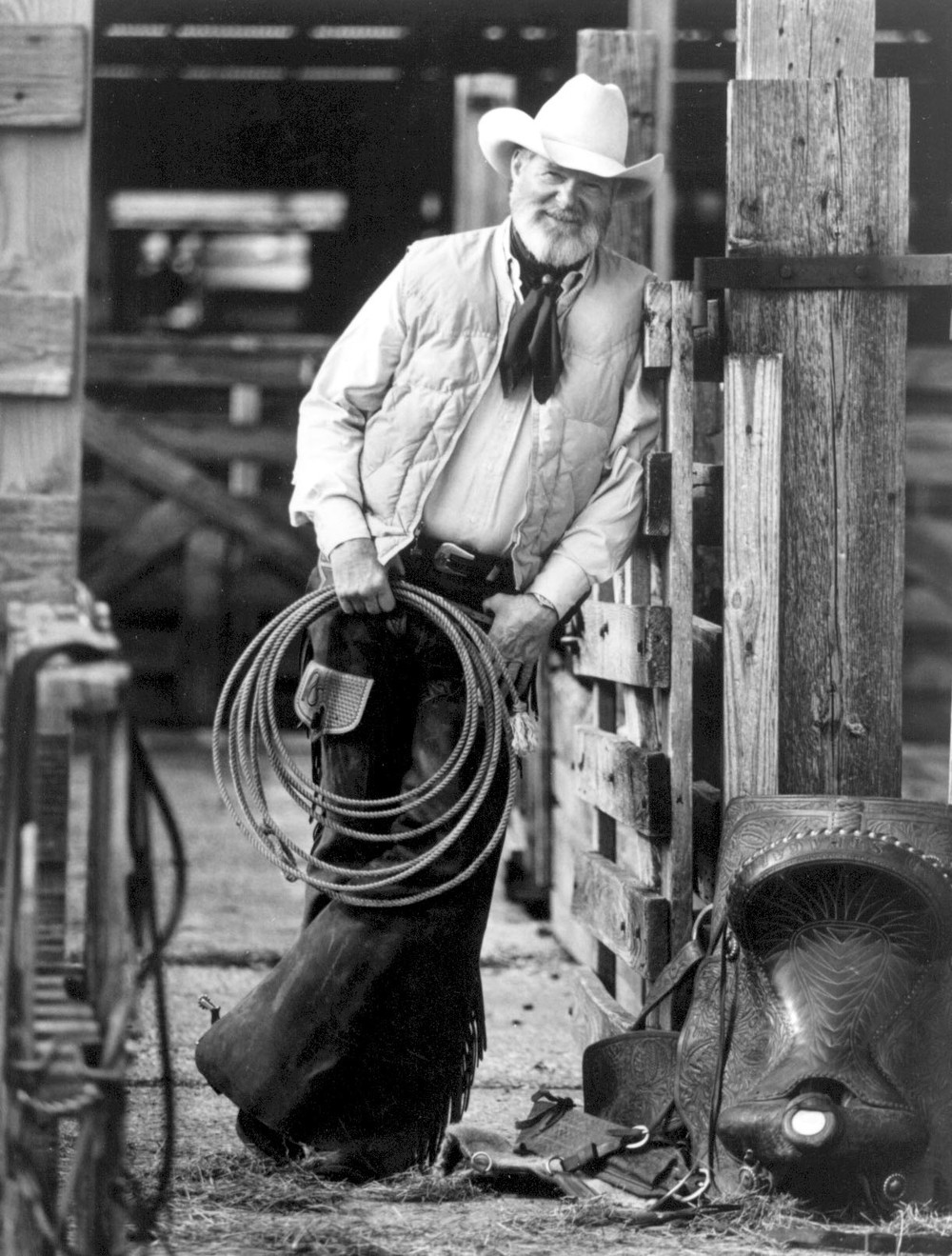
Red Steagall
Honky Tonk
Classic Country
Traditional Country
4
/5
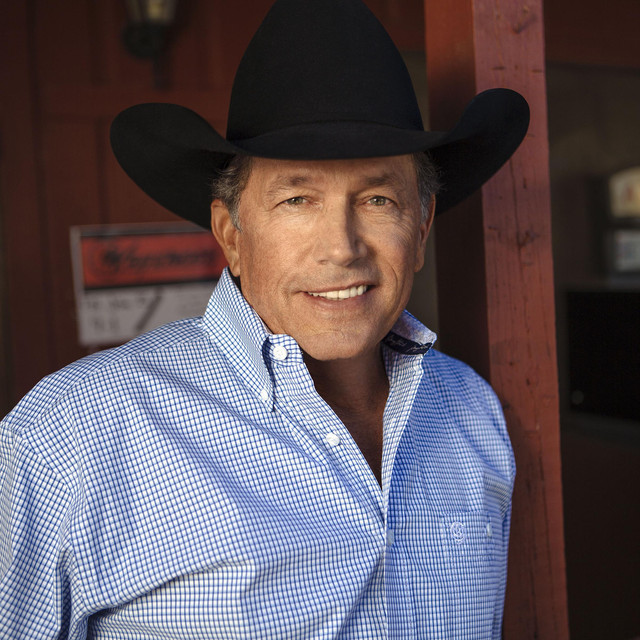
George Strait
Honky Tonk
Traditional Country
Country
4
/5
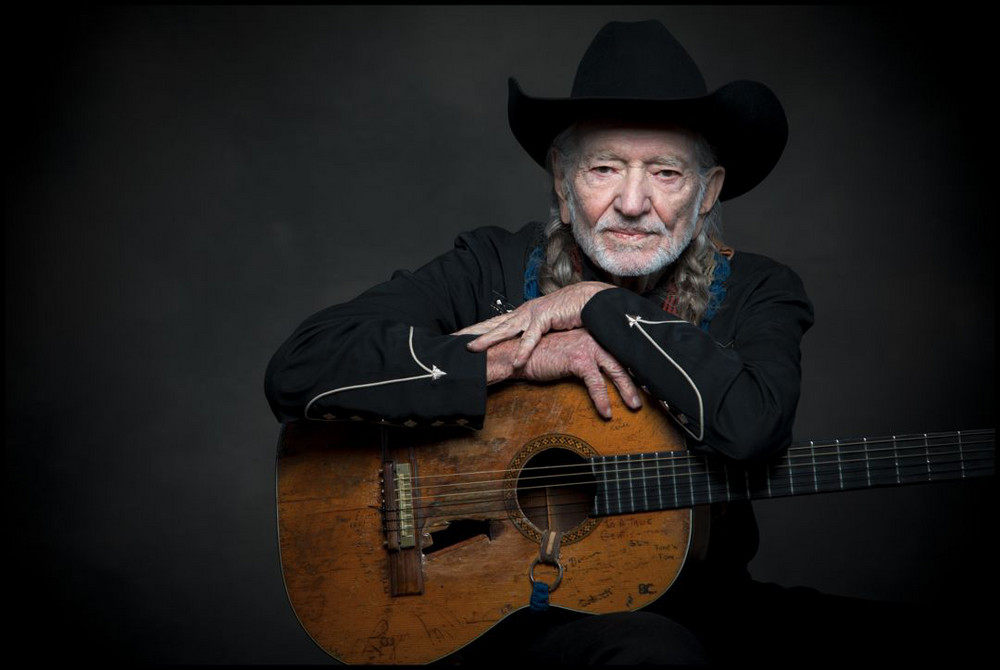
Willie Nelson
Country
Nashville Sound
Outlaw Country
4
/5
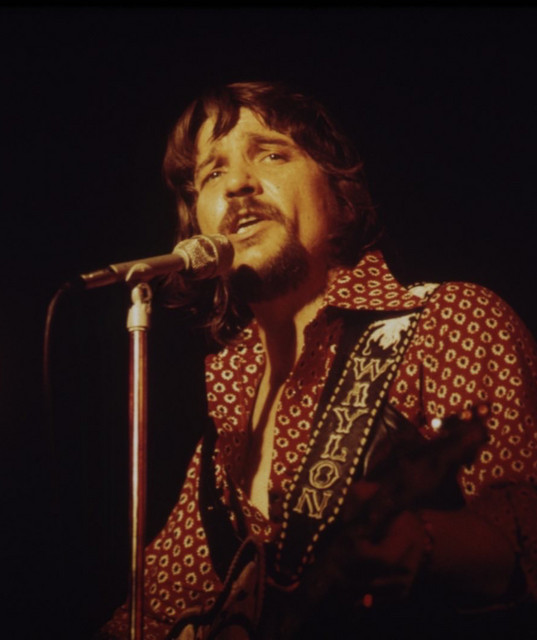
Waylon Jennings
Country
Outlaw Country
Honky Tonk
4
/5
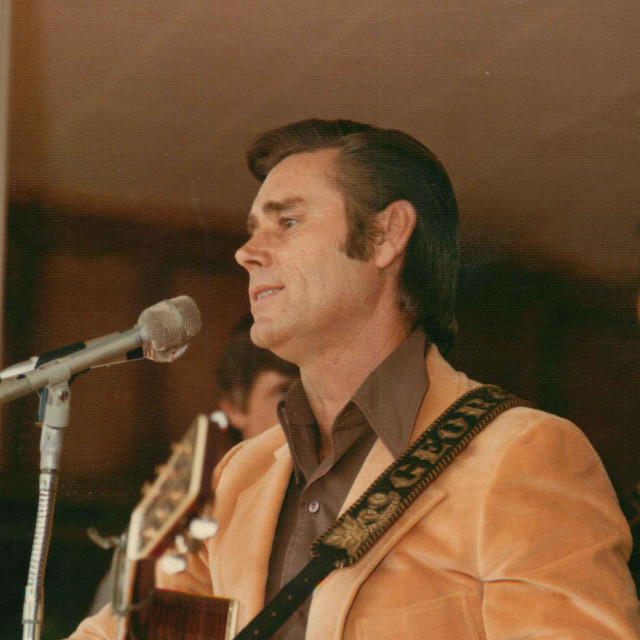
George Jones
Country
Honky Tonk
Christian Country
4
/5
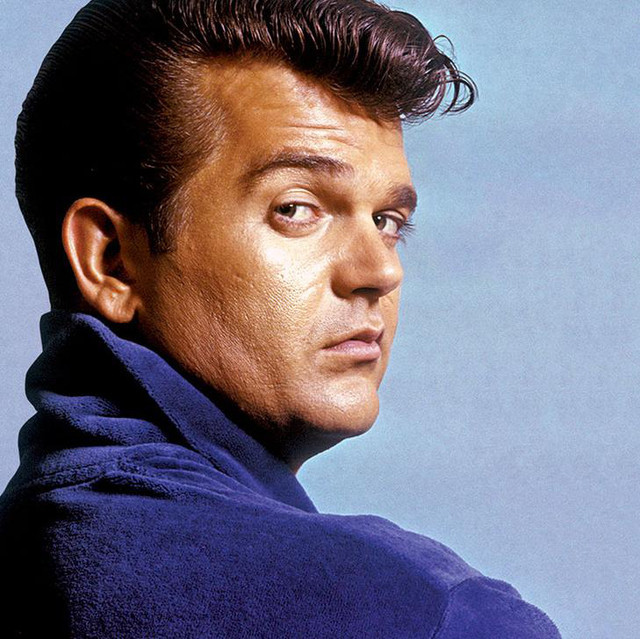
Conway Twitty
Country
Honky Tonk
Traditional Country
4
/5
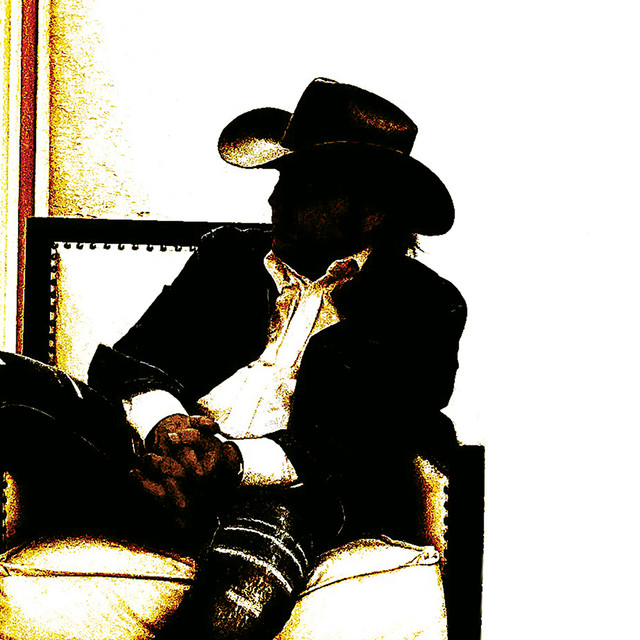
Dwight Yoakam
Bakersfield Sound
Country
Honky Tonk
4
/5
Merle Haggard
Bakersfield Sound
Country
Honky Tonk
4
/5
Buck Owens
Country
Bakersfield Sound
Honky Tonk
3
/5
Loretta Lynn
Country
Christian Country
Classic Country
Download our mobile app
Get the Melodigging app and start digging for new genres on the go
Download on the App Store
Get it on Google Play
© 2026 Melodigging
Give feedback
Legal
Melodding was created as a tribute to
Every Noise at Once
, which inspired us to help curious minds keep digging into music's ever-evolving genres.