Genres
Artists
Albums
Make Music
Sign in
Sign in
Artists
Bomba
Artists
Bomba
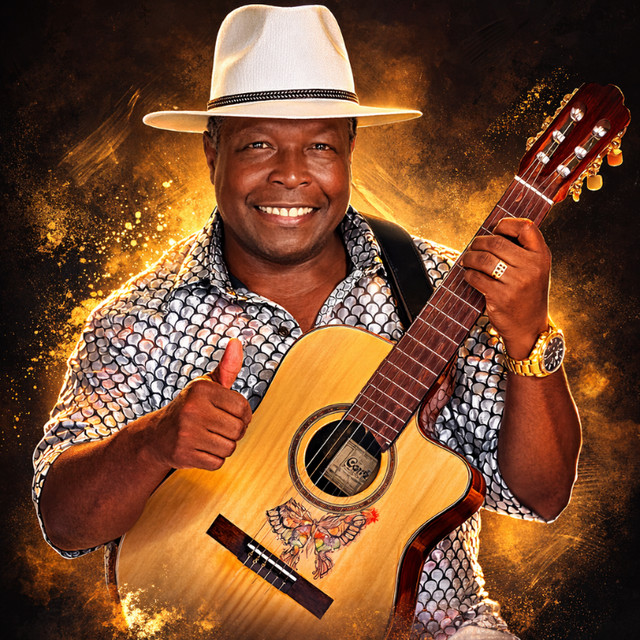
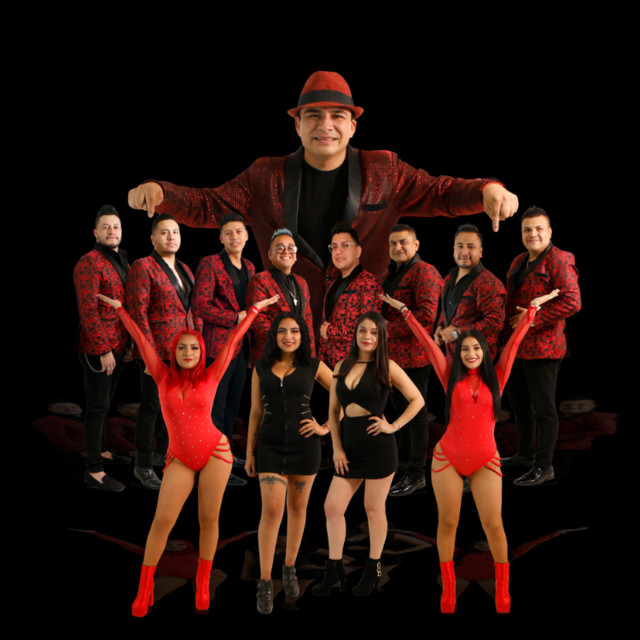
Edgar Gonzalon
2015–2020
·
3 albums
Listen
3
/5
Genres
Cumbia Sonidera
Cumbia sonidera is a Mexican urban style of cumbia shaped by the neighborhood sound-system (sonidero) culture of Mexico City and Puebla. It features mid-tempo grooves, prominent electronic keyboards or accordion doubling the melody, punchy bass lines, güiro and timbales/congas, and heavy use of echo, reverb, and DJ shout-outs (saludos y dedicatorias). Built for social dancing and open-air parties, the style blends Colombian cumbia roots with Mexican popular and grupera sensibilities. Its signature is not only musical—it's the live performance practice: extended mixes, segues between tracks, and a charismatic MC steering the dance floor with dedications, drops, and dub-style effects.
Discover
Listen
Salsa
Salsa is a pan–Latin dance music forged primarily in New York City by Puerto Rican, Cuban, and other Caribbean diasporas. It synthesizes Afro‑Cuban rhythmic blueprints, Puerto Rican bomba and plena, jazz harmony, big‑band horn writing, and Nuyorican street culture into a tightly arranged yet improvisation‑friendly style. The music lives on the clave (either 2‑3 or 3‑2), with layered percussion (congas, bongó, timbales, cowbell, güiro, maracas), a tumbao bass that anticipates the beat, and piano montuno guajeos that interlock with the rhythm section. Call‑and‑response vocals (coro/pregón), punchy horn mambos and moñas, and instrumental solos energize the montuno section. Tempos range from medium to fast in 4/4, optimized for social dancing (commonly “on1” or “on2”). Across decades, salsa has branched into harder, percussion‑forward “salsa dura,” smoother “salsa romántica,” and regional scenes in Puerto Rico, Venezuela, and Colombia, while continuing to influence—and be influenced by—neighboring tropical and jazz idioms.
Discover
Listen
Cumbia
Cumbia is a syncretic dance-music tradition from Colombia’s Caribbean coast that blends African rhythmic heritage, Indigenous (especially gaita flute) melodic practice, and Spanish colonial instrumentation and forms. Traditionally performed in a moderate 2/4 (often felt in 4/4 today), it features interlocking hand-drum parts (tambora, alegre, llamador), guacharaca or maracas for steady texture, and long cane flutes (gaita hembra and gaita macho) carrying call-and-response melodies. As it spread in the 20th century, orchestras and dance bands added accordion, horns, piano, bass, and later electric guitar and synthesizers, creating urban and pan–Latin American variants. Harmonically simple and rhythm-forward, cumbia places groove, ostinati, and vocal refrains at the center, making it both ceremonial in origin and enduringly popular on social dance floors across the Americas.
Discover
Listen
Guaracha
Guaracha is a fast‑paced Cuban song–dance genre known for witty, satirical, and often picaresque lyrics delivered over a driving Afro‑Cuban groove. It typically uses the son clave (in 2–3 or 3–2 orientation), call‑and‑response coros, and a lively montuno section that invites dance and audience participation. Originally tied to popular and comic theater, guaracha later became a staple of Cuban conjuntos and charangas, and it survives in the salsa repertoire as a label for brisk, upbeat numbers. Instrumentation commonly includes voice(s), guitar or tres, bass, bongó, maracas, claves, and often trumpets or charanga flute/violins. Harmonies are straightforward and bright (major keys, I–IV–V with frequent secondary dominants), while the rhythmic feel is relentlessly syncopated and festive. The term should not be confused with modern "guaracha edm" (a separate, contemporary club style); historical Cuban guaracha is a distinct traditional genre with roots in 19th‑century Havana and theatrical culture.
Discover
Listen
Bomba
Bomba is an Afro‑Puerto Rican drum‑dance tradition that emerged among enslaved Africans and their descendants on the island’s coastal plantations and port towns. It centers on a vibrant dialogue between a solo dancer’s improvised moves and a lead drum that answers each gesture in real time, supported by a steady ensemble groove, call‑and‑response singing, and communal chorus. The core ensemble uses barrel drums (barriles) made from rum barrels: a buleador (or segundo) that maintains the ostinato and a subidor/primo that improvises to the dancer. Musicians also play cuás (wooden sticks on the drum’s shell) and a single maraca, typically held by the lead singer. Bomba includes several regional rhythms—such as sicá, yubá, cuembé, and holandés—each with its own tempo, swing, and dance vocabulary. Beyond entertainment, bomba has functioned as a vehicle for resistance, social commentary, and community identity, and today it thrives in both Puerto Rico and its diasporas, often fusing with jazz, salsa, and contemporary popular styles.
Discover
Listen
Albums
2020
1
/5
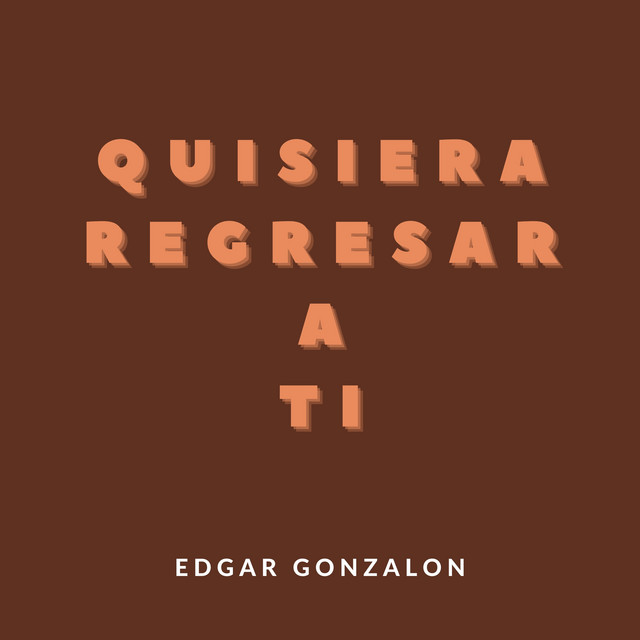
Quisiera regresar a tí
Edgar Gonzalon
Bomba
2020
3
/5
Negrito de la Salsa
Edgar Gonzalon
Bomba
2015
1
/5
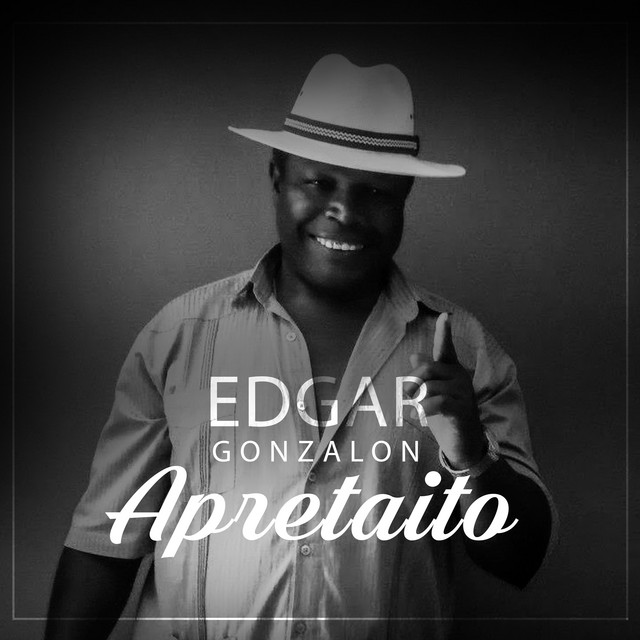
Apretaito
Edgar Gonzalon
Bomba
Similar artists
4
/5
Grupo Kual?
Cumbia Sonidera
Cumbia
Electrocumbia
3
/5
Alberto Pedraza
Cumbia Sonidera
Cumbia
Electrocumbia
3
/5
A Mover La Colita Cumbias
Cumbia
Cumbia Sonidera
Guaracha
3
/5
SONIDEROS COMPANY
Cumbia
Cumbia Sonidera
Guaracha
3
/5
Los Guacharacos de Colombia
Cumbia
Cumbia Sonidera
Guaracha
3
/5
DEMBOW 714 RECORDS
Cumbia Sonidera
Guaracha
Salsa
3
/5
Grupo La Chomba
Cumbia
Cumbia Sonidera
Guaracha
3
/5
Sonido La Conga
Cumbia
Cumbia Sonidera
Guaracha
3
/5
Cuerdas De Venezuela
Cumbia
Cumbia Sonidera
Guaracha
3
/5
Nery Pedraza
Cumbia
Cumbia Sonidera
Guaracha
Download our mobile app
Get the Melodigging app and start digging for new genres on the go
Download on the App Store
Get it on Google Play
© 2026 Melodigging
Give feedback
Legal
Melodding was created as a tribute to
Every Noise at Once
, which inspired us to help curious minds keep digging into music's ever-evolving genres.