Genres
Artists
Albums
Make Music
Sign in
Sign in
Artists
Yé-Yé
Artists
Yé-Yé
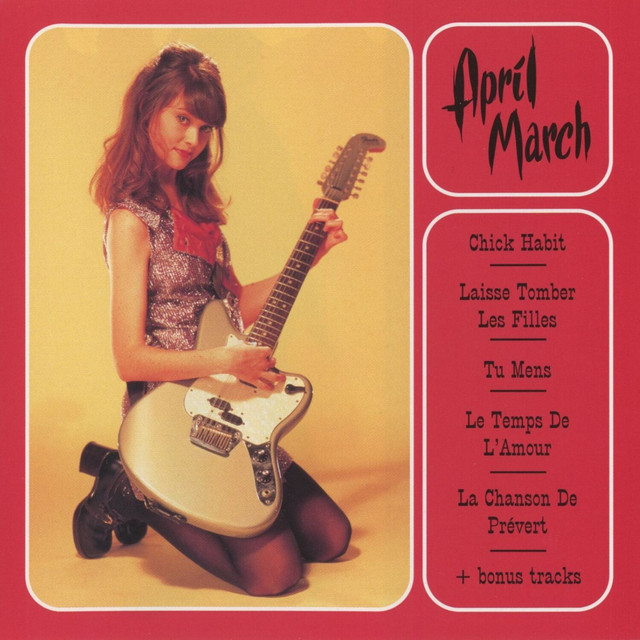
April March
1995–2022
·
5 albums
Listen
3
/5
Genres
Modern Indie Folk
Modern indie folk is a 2010s-era evolution of indie folk that blends intimate, acoustic songwriting with contemporary production aesthetics. It keeps the core of folk—storytelling, fingerpicked guitars, and close-miked vocals—but expands the palette with ambient textures, chamber-style strings, subtle electronics, cinematic reverb, and spacious, headphone-first mixes. The result is a sound that feels both handcrafted and atmospheric: confessional lyrics carried by hushed deliveries, layered harmonies, and warm analog or tape-like saturation, often moving between 4/4 and swaying 6/8/12/8 meters. At its center are themes of memory, nature, relationships, and quiet self-reckoning, expressed through vivid imagery and minimalist arrangements that bloom into emotive crescendos.
Discover
Listen
Digital Fusion
Digital fusion blends the hardware‑limited timbres of Chiptune and Bit Music with the harmonic language and arranging scope of jazz fusion, cinematic/classical writing, progressive music, and contemporary electronic production. Producers often start with authentic chip palettes (NES, Game Boy, YM2612/Genesis, or tracker/sample-based 8/16‑bit sets), then write harmonically rich progressions, orchestrate with layered synths and sample libraries, and sometimes add live performers (saxophone, guitar, bass, drums, strings). The result feels both retro and forward‑looking: agile, rhythmically intricate, melodically ear‑catchy, and frequently “filmic” in scope. Compared with straight Chiptune, digital fusion leans harder into jazz harmony, odd meters, and cinematic development; compared with jazztronica, it keeps a stronger attachment to console/arcade sound design and tracker‑style articulation.
Discover
Listen
Nouvelle Chanson Française
Nouvelle chanson française is the late‑1990s/2000s renewal of French chanson that places finely crafted French‑language lyrics at the center while adopting contemporary pop, indie, folk, and light electronic aesthetics. It retains the poetic intimacy and narrative focus of classic chanson but updates the sound with understated production, acoustic guitar and piano cores, tasteful string/brass colors, and subtle drum programming. The result is a literate, voice‑forward style that ranges from tender and melancholic to wry and conversational, often reflecting urban life, relationships, and everyday detail through modern, minimalist arrangements.
Discover
Listen
Alternative
Alternative is an umbrella term for non-mainstream popular music that grew out of independent and college-radio scenes. It emphasizes artistic autonomy, eclectic influences, and a willingness to subvert commercial formulas. Sonically, alternative often blends the raw immediacy of punk with the mood and texture of post-punk and new wave, adding elements from folk, noise, garage, and experimental rock. While guitars, bass, and drums are typical, production ranges from lo-fi to stadium-ready, and lyrics tend toward introspection, social critique, or surreal storytelling. Over time, “alternative” became both a cultural stance and a market category, spawning numerous substyles (alternative rock, alternative hip hop, alternative pop, etc.) and moving from underground circuits to mainstream prominence in the 1990s.
Discover
Listen
Mainstream Rock
Mainstream rock is a radio-friendly, hook-driven branch of rock that crystallized in the late 1970s in the United States from the convergence of album-oriented rock (AOR), hard rock, and polished pop-rock songwriting. It emphasizes big choruses, memorable guitar riffs, strong lead vocals, and clean, high-impact production designed to translate equally well to FM radio, MTV-era video rotation, and large venues. While it can be high-energy and guitar-forward, the genre balances edge with accessibility, often featuring power ballads, anthemic sing-alongs, and mid-to-up-tempo grooves. The sound privileges clarity, tight song structure, and broad appeal over experimentalism, making it a perennial commercial force across decades.
Discover
Listen
Synth-Pop
Synth-pop is a pop-oriented style that foregrounds the synthesizer as its primary instrument, often paired with drum machines and sequencers. It favors clean, melodic hooks, concise song structures, and a sleek, modernist sound that ranges from cool and minimal to lush and romantic. Emerging at the turn of the 1980s from the UK new wave and post-punk scenes, synth-pop leveraged affordable analog and then digital keyboards to bring electronic textures into the mainstream. Its sonic palette includes arpeggiated basslines, shimmering pads, bright leads, gated or machine-driven drums, and polished vocals that convey both futuristic detachment and emotional immediacy.
Discover
Listen
Yé-Yé
Yé-yé is a Francophone teen-pop movement of the early-to-mid 1960s that fused the brisk rhythms and guitar-driven verve of Anglo-American rock & roll and beat music with the melodic charm and lyrical sensibilities of French chanson. Characterized by bright melodies, succinct verse–chorus forms, handclaps and tambourines, and breathy, close-miked vocals, yé-yé celebrated youth culture, fashion, and flirtatious romance. Arrangements often blended twangy guitars and Farfisa/Vox organs with string or brass sweetening, while playful onomatopoeia and nonsense syllables (the titular “yé-yé”) emphasized its carefree, danceable spirit. The style flourished through radio and television, particularly around the Salut les copains scene, and produced enduring hits that remain touchstones of European pop history.
Discover
Listen
French Pop
French pop is the mainstream, melody-forward popular music sung primarily in French that blends the lyrical sophistication of chanson with the hooks, structures, and production of international pop. Its core is songcraft: memorable choruses, clear vocal presence, and arrangements that balance acoustic warmth with electronic gloss. Evolving from the 1960s yé-yé wave, the style absorbed elements of disco, new wave, synth-pop, and later electronic and hip hop production, while retaining a distinctly French sensibility in storytelling, wordplay, and romantic themes. Modern French pop ranges from intimate, soft-pop ballads to sleek electro-pop, but it remains anchored by expressive vocals and concise, radio-ready forms.
Discover
Listen
Pop
Pop is a broad, hook-driven style of popular music designed for wide appeal. It emphasizes memorable melodies, concise song structures, polished vocals, and production intended for radio, charts, and mass media. While pop continually absorbs elements from other styles, its core remains singable choruses, accessible harmonies, and rhythmic clarity. Typical forms include verse–pre-chorus–chorus, frequent use of bridges and middle-eights, and ear-catching intros and outros. Pop is not defined by a single instrumentation. It flexibly incorporates acoustic and electric instruments, drum machines, synthesizers, and increasingly digital production techniques, always in service of the song and the hook.
Discover
Listen
Rock
Rock is a broad family of popular music centered on amplified instruments, a strong backbeat, and song forms that foreground riffs, choruses, and anthemic hooks. Emerging from mid‑20th‑century American styles like rhythm & blues, country, and gospel-inflected rock and roll, rock quickly expanded in scope—absorbing folk, blues, and psychedelic ideas—while shaping global youth culture. Core sonic markers include electric guitar (often overdriven), electric bass, drum kit emphasizing beats 2 and 4, and emotive lead vocals. Rock songs commonly use verse–chorus structures, blues-derived harmony, and memorable melodic motifs, ranging from intimate ballads to high‑energy, stadium‑sized performances.
Discover
Listen
Electronic
Electronic is a broad umbrella genre defined by the primary use of electronically generated or electronically processed sound. It encompasses music made with synthesizers, drum machines, samplers, computers, and studio/tape techniques, as well as electroacoustic manipulation of recorded or synthetic sources. The genre ranges from academic and experimental traditions to popular and dance-oriented forms. While its sonic palette is rooted in electricity and circuitry, its aesthetics span minimal and textural explorations, structured song forms, and beat-driven club permutations. Electronic emphasizes sound design, timbre, and studio-as-instrument practices as much as melody and harmony.
Discover
Listen
Show all 11 genres
Albums
2022
1
/5
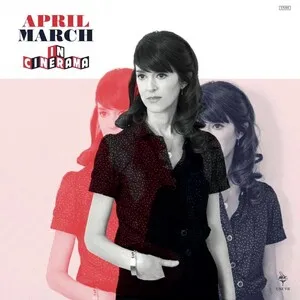
In Cinerama
April March
Yé-Yé
1999
1
/5
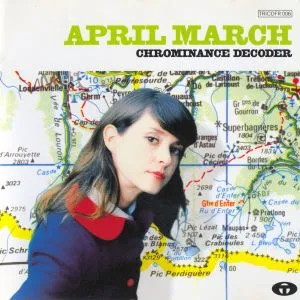
Chrominance Decoder
April March
Yé-Yé
Nouvelle Chanson Française
Electronic
1996
1
/5
Paris in April
April March
Yé-Yé
1995
1
/5
Chick Habit
April March
Yé-Yé
Alternative
Mainstream Rock
1995
3
/5
Chick Habit
April March
Yé-Yé
Alternative
Mainstream Rock
Similar artists
4
/5
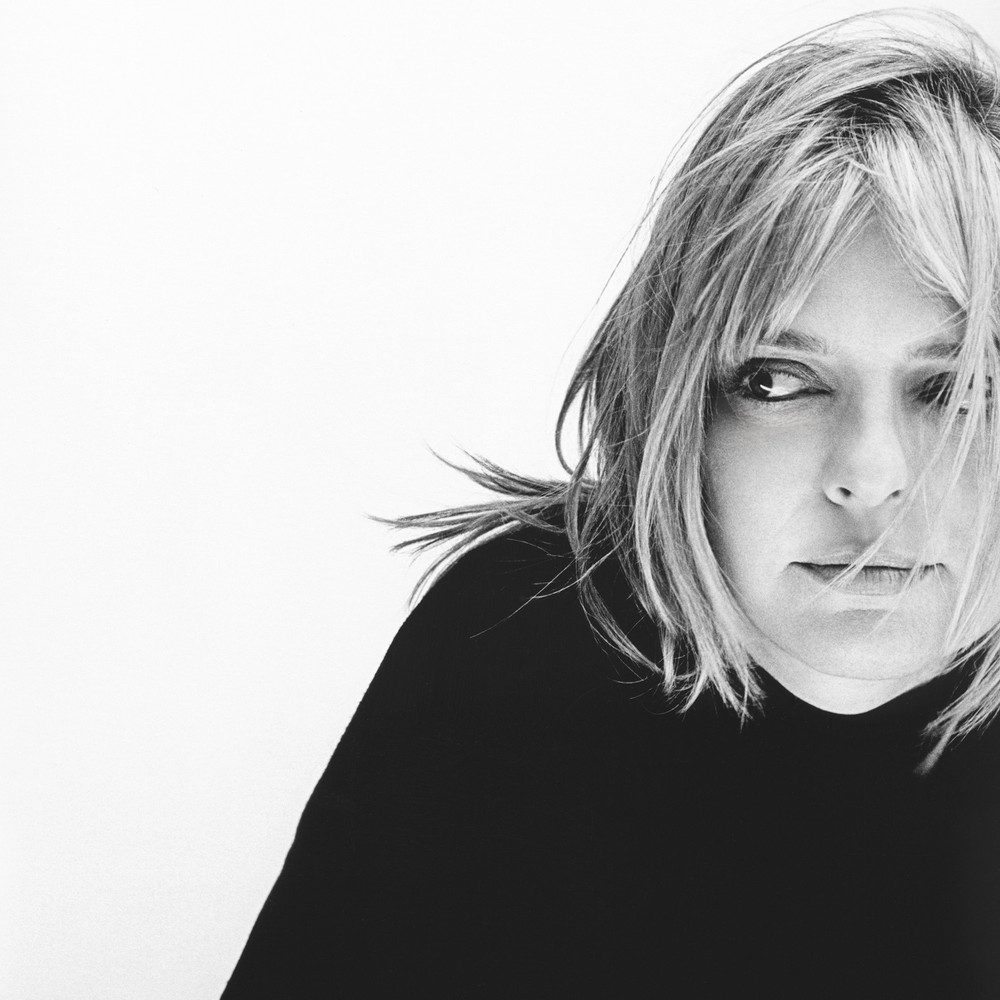
France Gall
Yé-Yé
French Pop
Pop
3
/5
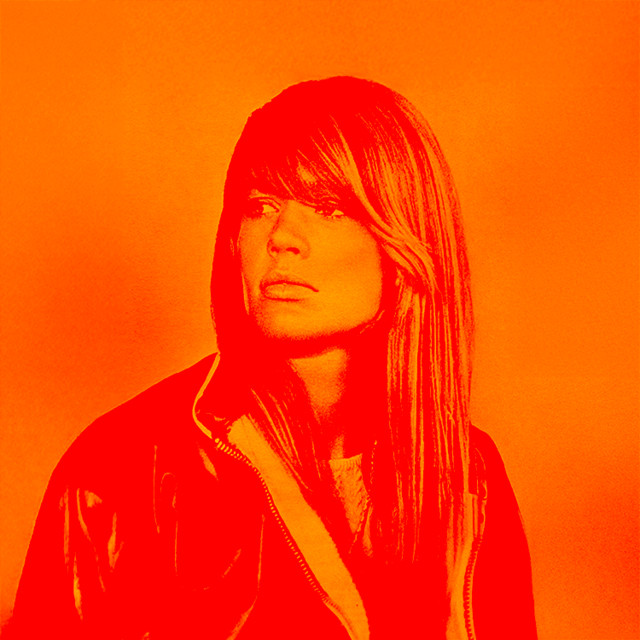
Françoise Hardy
French Pop
Yé-Yé
Chanson Française
3
/5
Brigitte Bardot
Yé-Yé
Pop
Chanson Française
3
/5
Fabienne DelSol
Yé-Yé
Rock
French Pop
3
/5
Jacqueline Taieb
French Pop
Yé-Yé
Pop
3
/5
Jacques Dutronc
French Pop
Chanson Française
French House
3
/5
Nino Ferrer
Chanson Française
Chill Pop
French House
3
/5
Juniore
French Pop
French Indie Pop
Winter Synth
1
/5
Various Artists
Afro-Funk
Alternative Rock
Ambient
3
/5
Sylvie Vartan
Yé-Yé
Chanson Française
French Pop
Download our mobile app
Get the Melodigging app and start digging for new genres on the go
Download on the App Store
Get it on Google Play
© 2026 Melodigging
Give feedback
Legal
Melodding was created as a tribute to
Every Noise at Once
, which inspired us to help curious minds keep digging into music's ever-evolving genres.