Genres
Artists
Albums
Make Music
Sign in
Sign in
Artists
Chamamé
Artists
Chamamé
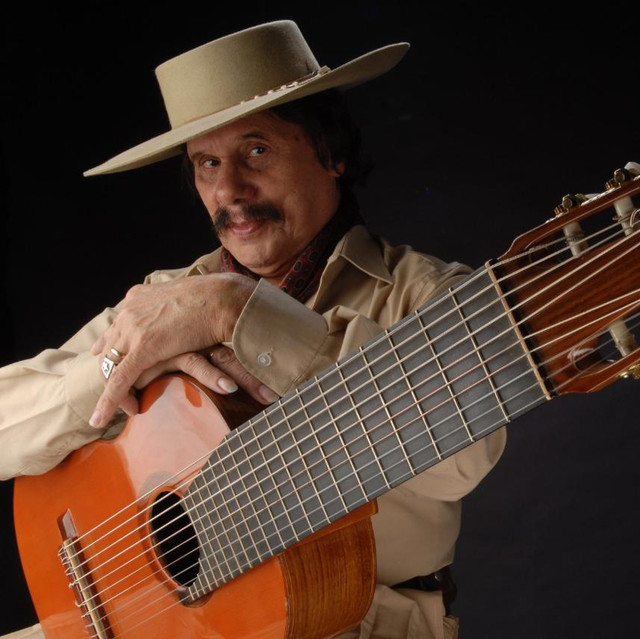
Antonio Tarragó Ros
1970–1975
·
3 albums
Listen
2
/5
Genres
Nueva Trova
Nueva trova is a Cuban singer‑songwriter movement that emerged in the late 1960s, blending the poetic intimacy of the island’s older trova tradition with socially conscious, often revolutionary, lyrics. It is typically guitar‑led and intimate, but can expand to small ensembles with subtle jazz‑inflected harmonies, echoing the filin (feeling) style and the romanticism of bolero while drawing rhythmic color from Cuban son and guajira. While aesthetically close to the broader Latin American nueva canción, nueva trova is distinctly Cuban in its idiom, metaphorical language, and engagement with post‑1959 cultural life.
Discover
Listen
Folklore Argentino
Folklore argentino (música folklórica argentina) is the umbrella term for Argentina’s regional traditional music and song. It gathers styles such as chacarera and zamba from the Northwest, chamamé and rasguido doble from the Litoral, cueca and tonada cuyana from Cuyo, malambo and milonga pampeana from the Pampas, vidala and baguala from the Andean northwest, and many more. While its roots stretch back to the colonial era and to indigenous traditions, the genre crystallized as a modern national repertoire during the mid‑20th‑century folkloric boom. It is marked by guitar-based accompaniment (rasgueado strumming), bombo legüero drum pulses, rich vocal traditions (solo and choral), and dance forms in compound meters with characteristic hemiolas. Themes often evoke the land, the gaucho, love and longing, community festivities, indigenous memory, and social justice.
Discover
Listen
Chamamé
Chamamé is a traditional dance-music style from Argentina’s Litoral region (especially the province of Corrientes) characterized by a flowing 6/8–3/4 sesquiáltera feel, expressive accordion or bandoneón melodies, and guitars providing rhythmic and harmonic support. It is music for dancing in couples, with a swaying, gliding motion that mirrors the riverine landscapes of the Paraná and Uruguay rivers. The genre blends European social-dance influences (polka, schottische, mazurka, waltz) with Indigenous Guaraní aesthetics and language, often featuring the sapukai—a celebratory shout—within performances. Lyrically, chamamé is typically nostalgic and pastoral, evoking love, family, migration, and the natural environment, and it frequently mixes Spanish with Guaraní vocabulary.
Discover
Listen
Albums
1975
2
/5
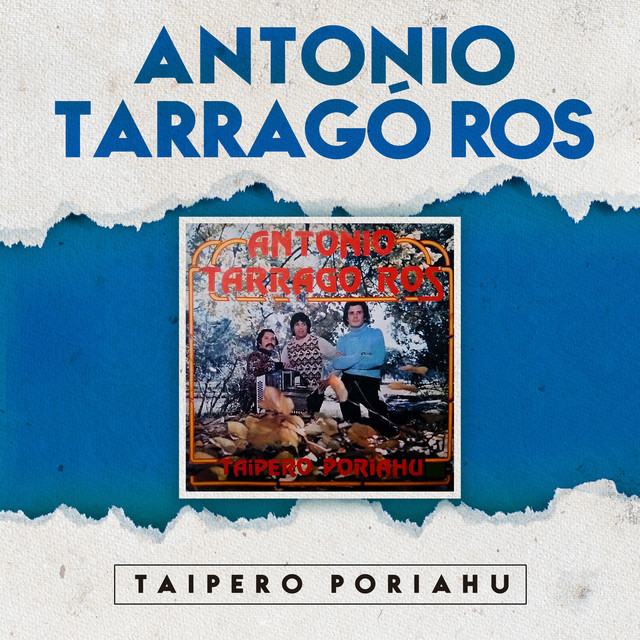
Taipero poriahu
Antonio Tarragó Ros
Chamamé
1973
1
/5
Amanecer de mi gente
Antonio Tarragó Ros
Chamamé
1970
1
/5
Sapukai
Antonio Tarragó Ros
Chamamé
Similar artists
4
/5
Mercedes Sosa
Nueva Canción
Argentine Music
Nuevo Cancionero
3
/5
Maggie Cullen
Chamamé
Folklore Argentino
Nueva Trova
3
/5
Chango Spasiuk
Chamamé
Folklore Argentino
Polka
3
/5
Teresa Parodi
Chamamé
Folklore Argentino
Murga
2
/5
Raul Barboza
Chamamé
Candombe
Folklore Argentino
3
/5
Los Chalchaleros
Zamba
Chamamé
Chacarera
2
/5
Los Majestuosos Del Chamamé
Chamamé
Folklore Argentino
2
/5
Tránsito Cocomarola
Chamamé
Folklore Argentino
2
/5
Ramón Ayala El Mensú
Chamamé
Folklore Argentino
Nuevo Cancionero
4
/5
Chaqueño Palavecino
Folklore Argentino
Chacarera
Chamamé
Download our mobile app
Get the Melodigging app and start digging for new genres on the go
Download on the App Store
Get it on Google Play
© 2026 Melodigging
Give feedback
Legal
Melodding was created as a tribute to
Every Noise at Once
, which inspired us to help curious minds keep digging into music's ever-evolving genres.