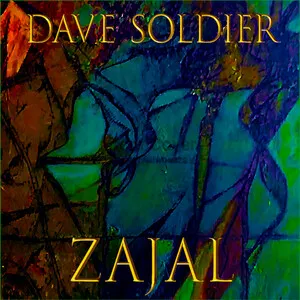
Zajal is a tradition of strophic, semi-sung vernacular Arabic poetry whose roots go back to medieval al-Andalus. It is performed in colloquial dialects (rather than classical Arabic), set to repeating melodies and percussive iqaʿ (rhythmic cycles), and relies heavily on witty wordplay, refrains, and audience participation.
Two large currents are commonly recognized: the Andalusi-Maghrebi strophic song (closely related to the muwashshah) and the Levantine improvisatory duel-poetry practiced in Lebanon, Palestine, Syria, and Jordan. In both currents, zajal balances crafted poetic forms with live improvisation, often unfolding as call-and-response between lead poets and a chorus, accompanied by traditional instruments (riqq, daff/derbakeh, oud, mijwiz, qanun, violin/rebaba) and danced to dabke in Levantine settings.
Thematically, zajal ranges from love, nature, and praise to satire and social commentary. Musically, it draws on the Arabic maqam system (e.g., Bayati, Rast, Hijaz, Kurd) and common danceable iqaʿāt (e.g., maqsoum, malfuf, ayyūb), yielding performances that feel at once literary, musical, and communal.