Genres
Make Music
Artists
Albums
Challenges
Sign in
Sign in
Albums
By Itoko Toma
Albums
By Itoko Toma
Yokaze
October 22, 2021
Listen
2
/5
Genres
Classical Crossover
Classical crossover blends elements of Western classical music with popular styles to create accessible, cinematic, and vocally forward repertoire. It typically keeps classical vocal technique or orchestral timbres while adopting pop song structures, contemporary production, and ear‑catching hooks. Arrangements often feature lush strings, piano, and choir, with dramatic dynamic arcs and key changes. Repertoire may include pop-influenced originals, classical themes with new lyrics, and reinterpretations of opera arias or film melodies, frequently sung in English, Italian, or Latin. The genre is designed for broad appeal without abandoning the polish and gravitas of classical performance, bridging concert hall aesthetics and mainstream listening contexts.
Discover
Listen
J-Ambient
J-ambient is the Japanese approach to ambient and environmental music, defined by tranquil textures, careful attention to space and silence, and a design-forward sensibility rooted in everyday listening. It favors soft timbres (synth pads, bell-like FM tones, mallet percussion, gentle guitars), field recordings, and slow-evolving harmonic drones that are intended to blend with architecture and daily life rather than dominate it. The style grew alongside Japan’s “environmental music” movement, where artists composed for galleries, shops, museums, and public spaces. Compared with Western ambient, J-ambient often places greater emphasis on the concept of “ma” (間)—the meaningful use of negative space—resulting in understated, contemplative soundscapes that feel functional, humane, and deeply serene.
Discover
Listen
Japanese Classical
Japanese classical refers to the courtly, religious, theatrical, and chamber traditions that crystallized in Japan from the Nara and Heian periods onward. It encompasses Gagaku (imperial court music), Shinto ritual music (kagura), Buddhist chant (shōmyō), Noh and Kabuki repertories (e.g., nagauta, jōruri), and chamber music for koto, shamisen, and shakuhachi (sankyoku). The style emphasizes modal color (ryō and ritsu modes, along with later in/yo pentatonic variants), the dramatic architecture of jo–ha–kyū (slow introduction, development, swift conclusion), and the aesthetic of ma (meaningful silence/space). Textures are often heterophonic or layered, timbres are cultivated for breathy, reedy, and bell-like colors (e.g., shō, hichiriki, ryūteki), and rhythm can range from free-flowing chant to stately ceremonial cycles. The result is a contemplative yet ceremonially powerful sound world distinct from Western common-practice tonality.
Discover
Listen
Similar albums
2023
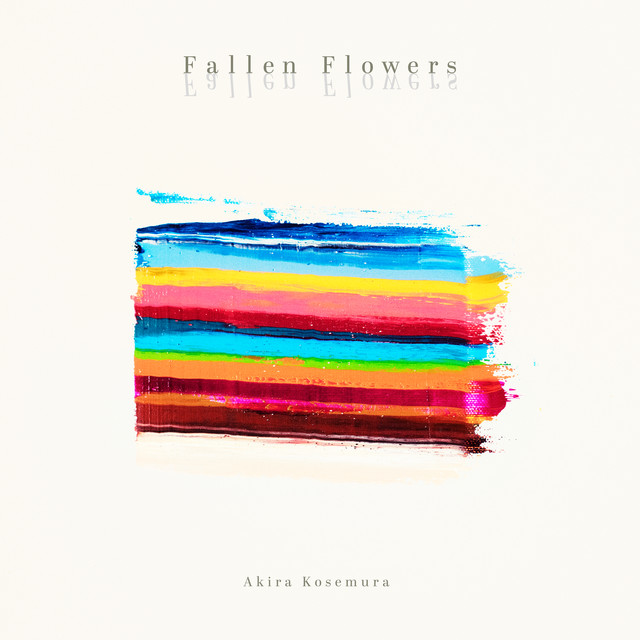
Fallen Flowers
Akira Kosemura
2025
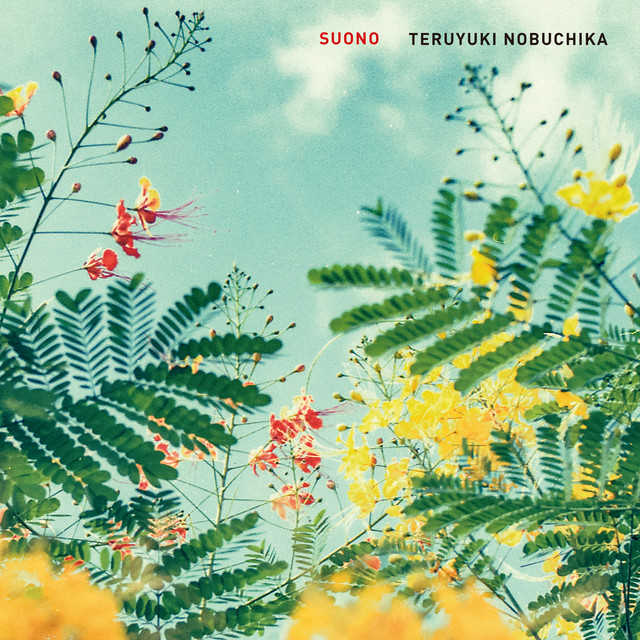
SUONO
Teruyuki Nobuchika
2023
Shroud of Night
Akira Kosemura
2022
Ephemeral
Itoko Toma
2023
Erica
Itoko Toma
2025
LUX
ROSALÍA
2013
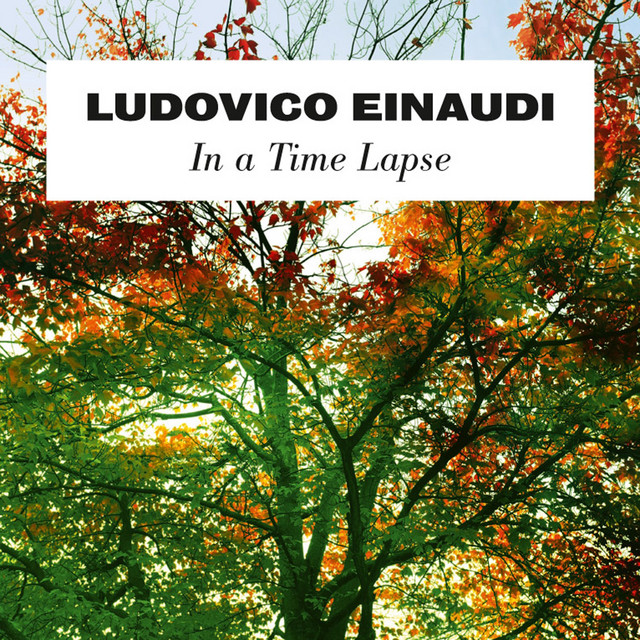
In a Time Lapse
Ludovico Einaudi
2022
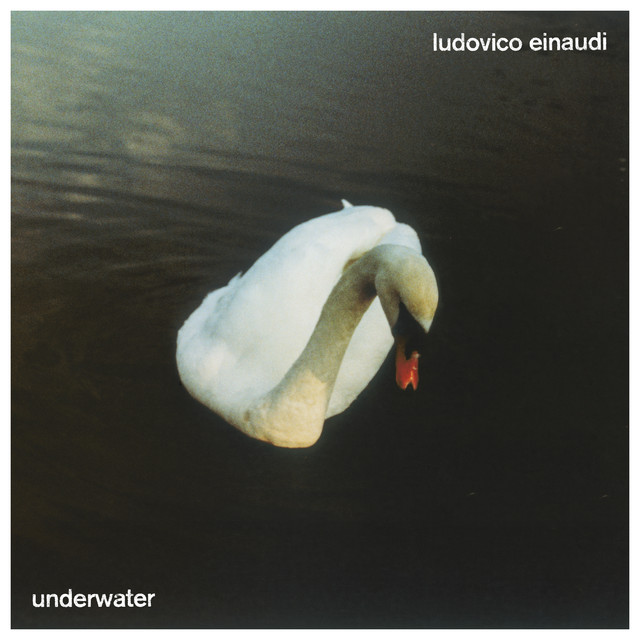
Underwater
Ludovico Einaudi
2004
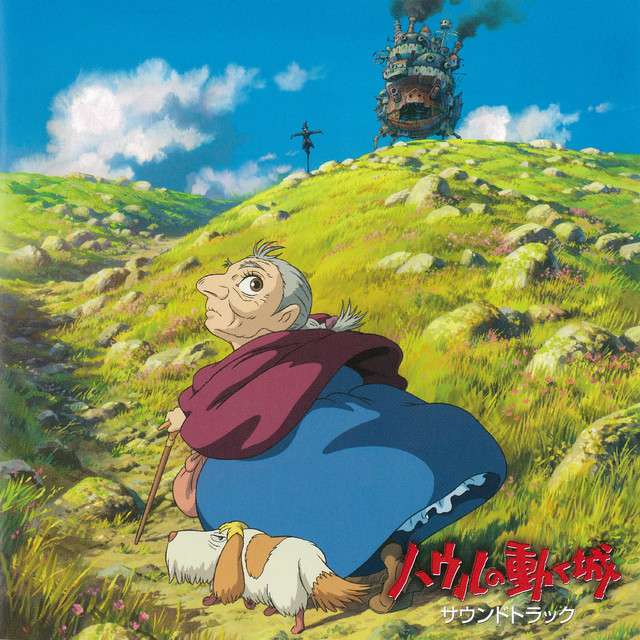
Howl's Moving Castle Soundtrack
Joe Hisaishi
2001
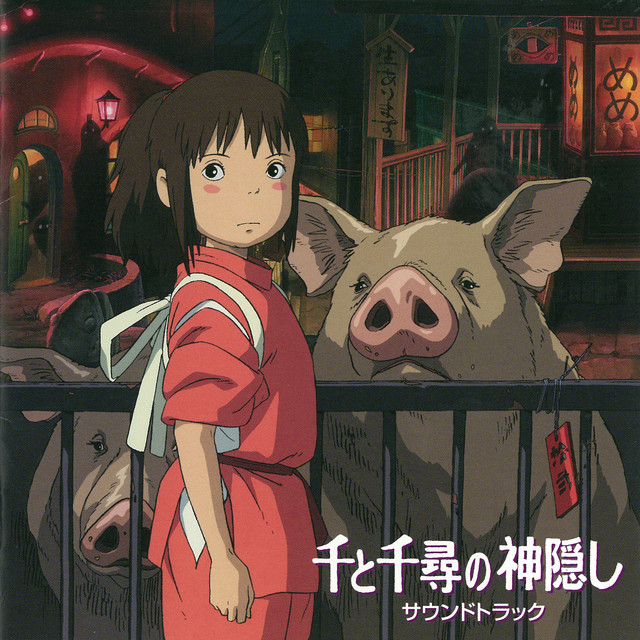
Spirited Away Soundtrack
Hisaishi, Joe, Honna, Yōko, Hisaishi, Joe, Various Artists, Hisaishi, Joe, Ueno…
Download our mobile app
Get the Melodigging app and start digging for new genres on the go
Download on the App Store
Get it on Google Play
© 2026 Melodigging
Give feedback
Legal
Melodding was created as a tribute to
Every Noise at Once
, which inspired us to help curious minds keep digging into music's ever-evolving genres.